

NEWS

The Acceptance and Struggle of a Childhood IBD Diagnosis
Being a kid is supposed to be a whimsical experience that one treasures and wants to have back. We long for those easier, good old days. But, when you are diagnosed with Inflammatory Bowel Disease at the age of 8, those childhood hopes can get lost.
When I was diagnosed with Crohn’s disease, I did not know what it was. I remember telling my friends and them thinking I kept saying “Crow’s disease” (granted, I did have a speech impediment). Honestly, even I couldn't fully understand what was going on with my body. I felt alone, isolated, and trapped in my body. I felt frustrated because of the lack of support I felt from my peers and the lack of communication that I could provide to the people in my life. I felt confused as to whether I was being too dramatic or if I was really as sick as I thought I was. It becomes hard to trust your body and self when—for so long—your symptoms are not understood. Still today, these emotions can flood my body when I think about my diagnosis or even have to deal with unrelated health procedures. The body has a mysterious memory intact.
In response to these events, I have found that I tend to forget things related to it. To be honest, pretty much everything—specifically during my diagnosis phase of life—is most often a blur. Being diagnosed as a child really made me deeply struggle with the faults of reality and mortality and sickness early on. My body is easily triggered by hospitals or doctors. Whether my response bodily or emotional, I cannot immediately make sense of it all at the time.
I often struggle making sense of my diagnosis. Being diagnosed at such an early age, the disconnect between what was real and fake is hard. How could it have such a constant effect on my life when I forget most details surrounding it? It can be hard when you are surrounded by so many people who have such an understanding of their diagnosis and can write such beautiful lessons they have learned when most days I do not even remember what age I was diagnosed at. It is so easy to compare journeys, thinking your IBD is not as bad as the next, or that you feel alone with it. But what we can hold is that we don't have to be positive all the time. It can be painful and we can hold both the pain and the lessons we have learned. We do not have to make sense of our diagnoses. There does not always have to be a bright side to everything and that does not make you less of anything. Everyone has their bad days, whether you see them or not. Just remember that it is okay to struggle, it's okay if not everything makes sense, and we are so happy to have you here.


Planning with Crohn's
Stay with me for this one – I promise it won’t be as boring as it sounds! If you immediately switch off when you hear the world ‘plan’, or indeed ‘regime’ or ‘strategy’, you’re not the only one! There are, however, benefits to planning when you live with a chronic condition like Crohn’s Disease – and more importantly, if your plans become routines, then they’re more likely to become second nature, and you’ll find yourself doing those tasks subconsciously. Here, I will share some of my planning tips, which you may just find helpful. It’s all about finding what works for you so that you can manage to fit in all of the things you want to do, despite your health condition(s).
Smartphone apps
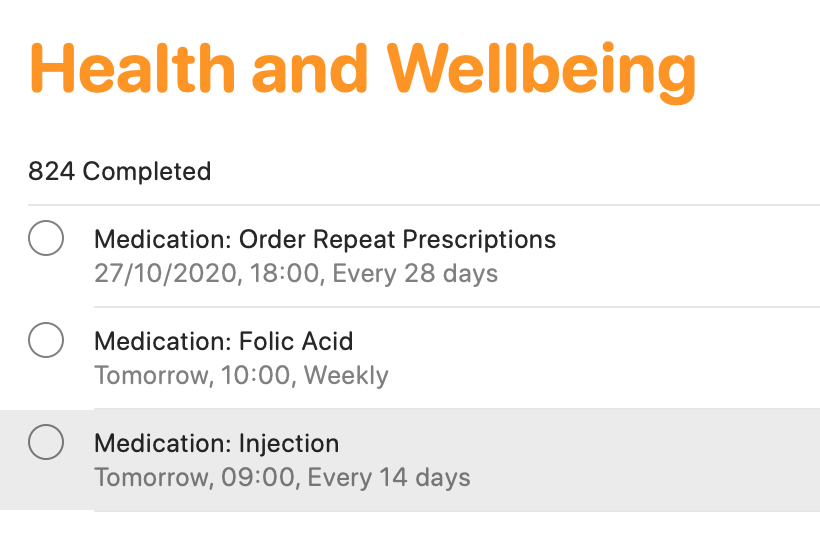
There are tons of smartphone apps available to help you keep lists, plan activities and so on! I keep it fairly simple, making use of macOS/iOS Calendar, Reminders and Notes (or the same apps on other operating devices). The calendar function is ideal for noting down all of your appointments. This helps for looking to the future, but also looking back at when and where different events occurred. The reminders app is an absolute lifeline for me. I have separate folders for different activities (e.g. university, health, work, voluntary commitments and so on). I add in activities, and a date/time (or location) reminder. This definitely helps me to keep track of everything that I need to do. If I didn’t, I would definitely forget! From a health tracking perspective, this is ideal as a reminder for booking in my next vitamin B12 injection which takes place every three months, as well as for when I need to ring up my doctor to arrange routine blood tests, when I need to self-inject my treatment, and when I need to order my repeat prescription. You may think that you’ll remember everything, but when you are busy with ‘life’, on top of ‘brain fog’ which many of us can relate to, it’s easy to forget. I know I have done that in the past, particularly when it came to self-injecting my treatment. I would remember that I need it on Tuesday for example, which would be the two-week dose period. However, I would have a busy day at college, would forget when I came home, and then in bed at night, I would suddenly remember, and think ‘I’ll have it tomorrow’. But then tomorrow became the weekend, and before I knew it, it may be a whole week later and I still hadn’t given myself my injection. I knew that was no good, but I just needed to do something about it – which I did!
Finally, Notes are brilliant! Again, I have different folders for a whole variety of different items. ‘Health’ is one of those. I use notes for keeping track of how I have been feeling, as well as for noting down points to discuss with my healthcare teams. I also use notes to keep track of discussions held with healthcare professionals, either face-to-face or over the phone. It’s just another good way to have information at your fingertips to help with your care, while the discussions are still ‘fresh’ in your head.
Scheduling in rest days
We all know what it’s like to live with a condition like Crohn’s – we have so much robbed away from us. As a result, when you are feeling on the better side, you will naturally try to fit in everything that you can. I know that I have been there! Though sometimes, it really doesn’t pay off. That’s why I try to give myself time and space to just ‘do nothing’ – because I know that’s what my body needs. In pre-pandemic times, I would avoid booking in too many back-to-back travels, so that I always had some time to recover. In the current climate, I do my best to block off certain days where I’ll have meetings, keeping overs ‘free’ to do work at my own pace, and also take it easy. It’s all about being in control, as much as possible, so that you give your body (and importantly, your mind) the time and space to breathe.
Leaving the house with everything that you need
Phone. Wallet/purse. Keys. Mask! The list goes on – but it’s really important to have everything that you need to hand. As well as the usual items that most of us require these days, I also have supplies in my backpack and car for every eventuality. This includes painkilling tablets and gel, anti-spasmodic tablets to help with cramps, laxative tablets if I notice a blockage, anti-diarrhoeal tablets if the opposite happens, lactase enzyme to help me digest products containing lactose and the RADAR key to access locked accessible toilets. This list can go on and will depend on personal circumstances. I always find it best to have everything stored in one bag, so you can ‘grab and go’. It may feel excessive, but you will thank yourself later on when you’re not caught short.
Knowing your triggers and avoiding them
Although everyone is different, we all have some kind of trigger which can worsen how we feel. For me, I know that stress is a key trigger for worsening symptoms. That’s why I try to minimise stress as much as is practically possible – although that is much easier said than done! That’s why you’ll generally see me planning to do work well in advance of deadlines, for example, and seemingly ‘being on top’ of everything. In reality, it’s much harder to do, and I do find myself rushing for deadlines still – but at least I have minimised that as much as is practically possible. I am also my own worst enemy. As a perfectionist, I place huge amounts of pressure on myself to succeed and to do everything to the very best of my abilities. While it’s a good quality to have, it isn’t when it impacts on your health. So, it’s really important to be kind to yourself, and to re-evaluate your workload if you find yourself totally swamped and feeling ill. Nothing is worth more than your health.
Do you have any other planning tips which help you to live with your condition whilst getting through life? Let us know in the comments and on social media!


There is No Right Way to Live with a Chronic Illness
I saw a quote the other day that said “There is no right way to live with a chronic illness,” and I immediately knew I needed to talk about it. Honestly, I want to get it tattooed on my forehead and shout it from the rooftops because everyone needs to hear it.
“Oh, you have a chronic illness and you eat that?”
“Oh, you have a chronic illness and you drink that?”
“Oh, you have a chronic illness and that’s how you workout?”
The answer to these questions?
There. Is. No. Right. Way. To. Live. With. A. Chronic. Illness.
There is no one right way to live. Period.
Unfortunately, yet realistically, there can be judgement within the chronic illness community at times. The same can be said for life in general.
And here’s what I have to say: IBD, and everything in life, is so incredibly individualized. What works for one person might not work for another. What works for me may not work for you. What works for you may not work for your neighbor Susan or your cousin Jack and vice versa.
Nobody should ever be shamed or put down or made to feel inferior or less than because of the decisions that they make in doing what’s best for THEM.
To think that there is one set way to live, one set way to eat, one set way to move your body, one set medication to take or not to take is to ignore an entire world that exists outside of your own.
When you really think about it, how cool is that life exists in so many different forms? How fascinating is it that I experienced this day differently than you? How awesome is it that we can find common threads that weave us together while still being uniquely ourselves?
So, the next time someone hits you with, “Oh, you have *insert condition here* and you do *x,y, and z*? I could never.”
Tell them how happy you are that they have found what works for them, how happy you are to have found what works for you, and how beautiful it is to simply be human.
Explaining Chronic Pain
This article is sponsored by Gali Health.

One of the most troubling and tricky feelings of the human condition is pain. It’s the body’s warning signal that something is wrong. It always seems to show up unexpectedly. It’s the world’s worst party guest. Seriously, it could at least bring a party gift, or an extra bag of chips and salsa to share. Instead, it interrupts the flow of midnight ragers and days of routine alike. Pain is the ultimate consumer. It takes, absorbs, and swells, without giving any of itself up. To make it even more complicated, pain comes in more hues, flavors, and shapes than can be counted. Pain is a universal experience, but the experience of pain is unique to each individual.
There is round, smooth, aching pain that rolls around the body all day. There’s sharp, jagged pain that cuts, stabs, and leaves a metallic taste on the tongue. There’s pain that shapeshifts. It howls like a werewolf, then sizzles like the sting from an insect. I could go on, but the list of the types of pain is again endless. That said, living with a chronic illness like IBD means tasting an entire buffet’s worth of pain types. Despite the fact that pain is so specific, and individual, people often try to measure and compare pain. As a chronically ill individual, it can be frustrating to have your pain compared, and rationalized by others. For instance, people will often compare the abdominal pain from ulcerative colitis, or Crohn’s disease to a stomach ache. In reality, chronic pain is much different from everyday pain.
When the pain from chronic illnesses is compared to pain from other illnesses, a large part of the context is ignored. Patients with chronic illnesses and pain have to confront pain oftentimes on a daily basis, and manage pain oftentimes without a totally effective treatment. The pain from a stomach ache, or a stubbed toe will eventually fade, and if it doesn’t, there is generally an effective treatment available. With a chronic illness, no such treatment necessarily exists. There is no timeline for recovery from the pain. Instead, it can be endless and unclear with multiple trials of various treatments required in order to find relief. In essence, chronic pain has no end deadline.
Despite this, the chronically ill often live normal lives everyday. Patients and pain sufferers go to college, go to work, and even to social events despite their pain. It’s especially important to remember this, because for all of its flavors, pain can be quite invisible. Dealing with pain is a challenge, and a burden, but millions of people around the world surmount the obstacle of pain everyday. Accommodations for patients make living with this weight easier, and enable us to be more active members in our communities. Still more work needs to be done to improve the quality of life for those dealing with pain. The compassionate way to treat the chronically ill, is the most inclusive way and the way that eliminates the disadvantages of the disabled. In the future, I hope all pain is treated with the utmost consideration and care for the individual. After all, if that was the case, there would be a lot less physical, and mental pain in this world.

This article is sponsored by Gali Health
Gali Health is an AI-based personal health assistant app helping people with inflammatory bowel diseases (IBD) proactively manage their condition. Gali gathers knowledge from daily interactions and health monitors to tailor support and information to your specific IBD experience.

What to Expect When a Loved One Gets Diagnosed with IBD
Navigating an IBD diagnosis is not easy. It can be messy and emotional and very tiring. The person diagnosed with IBD will be feeling many emotions, probably all at once. But it’s not just hard on the diagnosed individual; it can be very hard on their loved ones as well. It can be difficult to figure out what to expect and what to say and how to act when you find out someone was diagnosed with Crohn’s disease or ulcerative colitis. Hopefully this article will provide some insight into what to expect when that diagnosis happens.
The first few hours and days after your loved one gets diagnosed with IBD can be very confusing. You are processing their diagnosis, while trying to be there for them as well. While everyone processes it differently, there are likely some common reactions you can expect. Here are a few things to keep in mind:
Be prepared to simply be there for them. Whether they want to talk about it or not; whether they want you to accompany them to appointments or infusions; whether they want someone to sit with them while they are sick. And even if they don’t want any of that, make sure that they just know that you will be there if/when they do. Be there for them when they are ready to talk to you. Tell them you are there if they need anything and be ready to back it up with your actions. There is nothing worse than empty words.
Be prepared for them to become experts on their own bodies. They will become very familiar with their symptoms and will likely know when something is not right. Learn to trust that. If they tell you they think something is wrong, don’t try to argue with it.
Be willing to learn with them. For me, I read up a lot on my diagnosis. I read others’ stories, I read articles, I read medical journals. And I wanted my friends and family to understand some of what I was learning. So, be willing to read the articles they send you. Educate yourself on their disease. Don’t be afraid to be educated.
Be ready for the hard days. The days when their medication isn’t working. The days when their Prednisone is making them miserable. The days when they are in the hospital. Not every day will be hard, but some will be. So be prepared when they come. Remind your loved one that it won’t last forever.
Also be ready for the good days! The days when they find out they’re in remission. The day when they try a food they haven’t been able to eat in a while and it goes well. The days when they feel like themselves. Just as the bad days come and go, the good days will come, too.
Be ready for the doctors’ appointment. Especially when your loved one is first diagnosed and they are working to get control of the disease, there will be a lot of doctors’ visits. There will be ER visits and hospital stays. There might be infusions they have to go to on a regular basis. They may or may not want you to come. Be ready to support them either way. With COVID, they may have wanted you to come and you may not be able to. If that’s the case, try to get creative with ways to make them feel like you’re there. FaceTime them, call them, text them. Do something to make them not feel so alone.
Ultimately, be ready for a journey. It isn’t always easy and there will be really hard days. But your loved one is now part of a community that is welcoming and ready to help when they want. There will be people that they can relate to and that can understand them in ways that someone without IBD can’t understand. Encourage them to reach out to people they see on social media. Encourage them to ask questions and not be afraid to speak up. The IBD community is a great one and people are always willing to help!
Navigating a loved one’s IBD diagnosis can be a daunting thing. It is a lot to process and there is a lot of unknown. But by just being supportive and being attentive to your loved one, things will probably go a lot better than you expect them to.


My IBD Life - Ode to Despair
I sat down to write this article with the intent of describing some personal experiences with my family and friends during a period of progressing sickness that eventually led to surgery. It’s very hard for me to segregate various aspects of that time. I was struggling on many fronts. Everything seems so intertwined. I probably would have managed better, if the only thing I had to worry about had been my health. Sometimes, I wonder if I could live through that again. The worst parts of that period were the nights. Serially failing medications had brought me to a point where I was living with severe chronic pain and total incontinence. Every night I would go through a sequence of muffled crying, screaming, and dancing, to wither and end up on the floor like a lifeless body. I did that deliberately to tire myself out and fall asleep. Every night it was the same routine. Some nights, the urge to end it all was too strong to resist. I dreaded the nights and took up a night job to cope. I thought if I forced my mind to concentrate on a job, it would help with the pain. I’d suffocate at work, and even had “accidents” at work, despite wearing diapers. Everyone around me in my home or outside was oblivious to what I did to myself in my room in the dark. My coping mechanisms bordered on the psychotic. I would strangulate my body parts to make them numb. I would try to substitute the pain with another kind of pain by using an excessively hot pad. The pain was too much. The blood was too much. The nights were too long. The thing that hurt more than the pain was that every medication would make a mockery of my attempts to live. Early promising results followed by a rapid decline leading to increased symptoms were a pattern. At my core, I’m not a very hopeful person. My life circumstances have molded me into a deeply introverted and pessimist personality. My mind constantly tries to simulate everything that can go wrong and I try my best to put control measures in place. With this disease though, I was helpless. I read vehemently, but I was not a doctor. I forced myself to cultivate hope with every new medication. However, I always ended up dejected. Sometimes, I felt like a bloody soldier struggling to stand straight, kneeling on the ground against his sword, and waiting for all of it to get over.
As I started reminiscing those nights, my intents changed. I wanted to describe that cycle of hope and consequent despair to someone. It resulted in me writing a poem which I’m sharing here.
They tell me the war is over and we won.
They tell me that the night is at last, gone.
They tell me the sun’s rising on the horizon.
They tell me, they tell me it’s a new dawn.
They tell me the same things again and again.
And each time they say it, I believe them.
I hide from my fears, behind a translucent curtain.
Weak ropes of hope bear the weight of my pain.
Soon it all comes crashing down to the ground.
And I see them again. The blood-hungry hounds.
Dread sets into me as they approach and surround.
Every inch of me bleeds. My screams resound.
And when it’s all over, I look down from the edge.
Frail, pale, broken, and defeated, after the rampage.
No antidote to my ailment, my soul feels caged.
Desperate, I am prepared to embrace the only escape.
“Stop! Don’t!” I hear a voice break the silence.
I recognize the voice. It’s them. Once again.
They praise my resilience. Talk about Providence.
Promise me there’s a reason for my existence.
They look to infuse me with hope and faith.
They tell me tales of the fierce and brave.
Why then I don’t believe what they say?
Oh! It’s because, soon after ...
They tell me the war is over and we won.
They tell me that the night is at last, gone.
They tell me the sun’s rising on the horizon.
They tell me, they tell me it’s a new dawn.
There was a time when I tried to capture my pain in words. I was better at writing then. With time, the writing started to feel like a futile exercise. The nights never went away. Instead, I now try to repress those experiences in some corner of my brain as I have done with other traumatic incidents that I have lived through.
My doctor once told me that there were only 2 patients other than me under his care, with a severity of disease that was similar to mine. I felt sad, but then I realized it’s a good thing that more people do not go through such experiences. However, I’m sure there are enough like me in my country which has a population of 1.3 billion, but I’m not sure if everyone is as lucky as me. The mental health of patients with Inflammatory Bowel Disease has never been a priority in the Indian Healthcare system. It’s time that we begin to provide holistic support to young adults with inflammatory bowel diseases to enable them to manage this disease better and come out of the experience with as little residual trauma as possible.
Please stay safe and take care. See you next month. :)

IBD and Anxiety
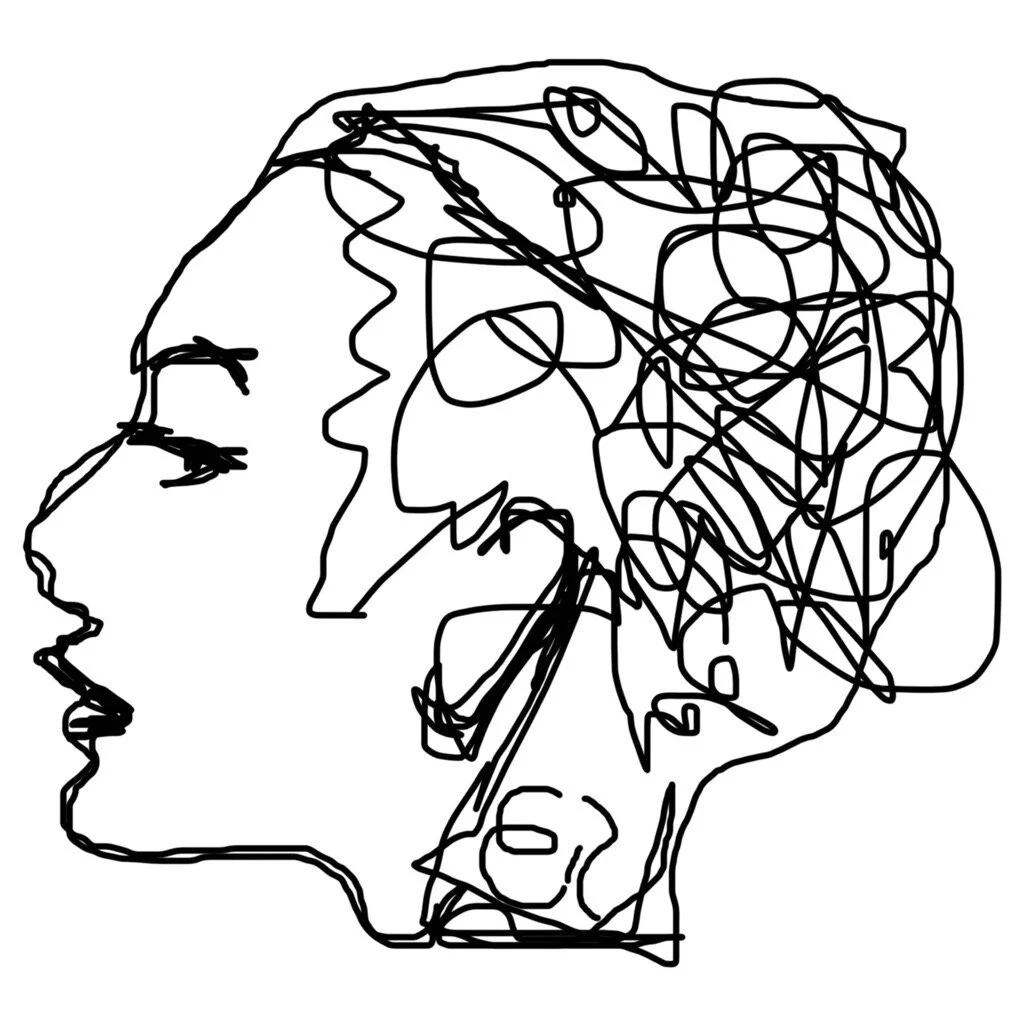
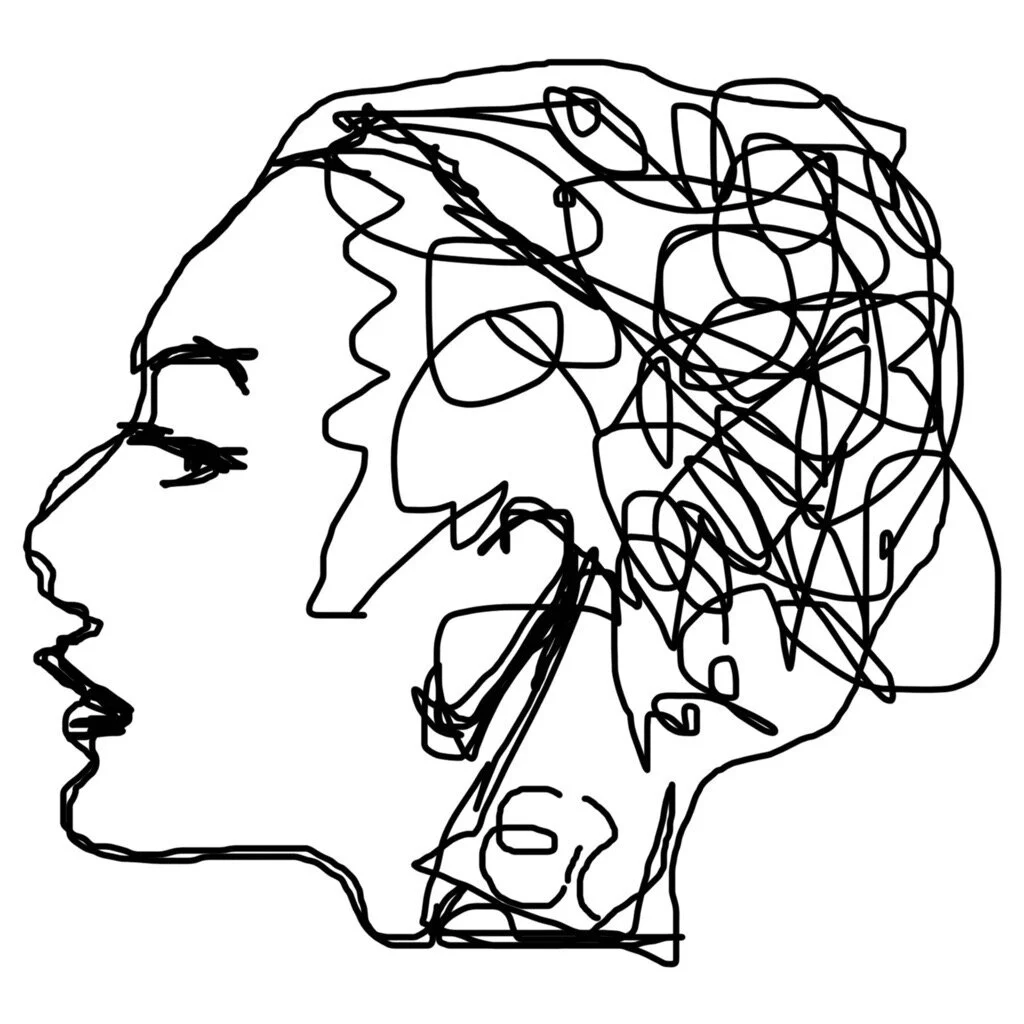
When you are first diagnosed with Inflammatory Bowel Disease you learn quickly that the brain and gut function as one. They are deeply connected. Even if you don’t have IBD, you can look to feelings like butterflies in your stomach when you are nervous, excited, or in love. IBD has given me the superpower of identifying an instinctual trust of my gut. One thing you commonly hear when talking about how to manage your IBD is that you have to manage your stress levels. Since the brain and gut are so connected, the chances that a flare up will occur when you’re stressed are high. Truthfully, being able to manage your stress is a very privileged thing to be able to do and that’s a conversation that needs to be had. Outside forces and systems of oppression exist heavily in our world today. We are not functioning in a world that allows you to thrive and prioritize both your mental and physical health. For most people, there is always a tremendous amount of stressors that you cannot escape. Things like finances, unstable households, going to school, and working all cause a great deal of stress.
Today, I want to specifically talk about how managing stress levels and IBD feels increasingly impossible when you have clinical anxiety and/or PTSD, as these are so often linked with IBD.
I was diagnosed with IBD at a young age. My physical health was always prioritized over my mental health. This was more pronounced, I think, because mental health is not a thing that is necessarily often invested in for young children. As a child, it was very difficult for me to identify what I was feeling and what triggered these feelings. Specifically, with my anxiety, I did not know what a neutral state of mind meant. I didn’t know what my anxiety looked or felt like till around my sophomore year of college. After going on anxiety medication for a bit, I was able to understand what intrusive thoughts were and how they occupied my life.
The baseline for my anxiety is intrusive thoughts, but it can also manifest itself in different ways just based on the things I am doing in my life at the time. For example, my anxiety can manifest itself in ways such as crying in social settings, having an obsession with time (i.e. constantly looking at the clock or leaving hours early for events), and, when things are more extreme, staying in my room for days on end. For me, it is so important to specifically state how my anxiety manifests because for so long I did not know what it meant. I think it is important that we normalize talking about everything that anxiety can bring with it, not just generalizing or downplaying it. So often, I think anxiety is talked about in very loose terms and given very simple fixes for how to “handle it.” This, in return, can oftentimes belittle the situation.
When these more intense and intrusive moments occur, my IBD flares up. So, I often question how I am to manage my stress when I often cannot control my anxieties. In the past, I would become stressed when I experienced my anxieties because I did not know what was wrong. Now, they still stress me out, even though I know that it is anxiety.
For me, and I think many others, anxiety is something that I have to constantly cope with on the daily. If I am not ten steps ahead of it, it will simply swallow me whole.
IBD and anxiety can feel overwhelming and scary, but what has helped me is knowing that I am not alone. Having these two conditions together is not uncommon, and what feels very isolating and full of despair is not the case. Medication has helped me in the past and therapy is a forever process for me. I also keep a bullet journal of coping skills I have used in the past - identifying coping mechanisms that worked and ones that did not. This list gives me a place to turn to when I feel as though nothing could help and it's easily accessible. I have also found solace in being in a community of people who understand. Explaining anxiety or IBD to someone who has not gone through it can be very exhausting and this goes for many other varying identities as well! When I do find the energy, making art is another space for me to process my anxiety, whether that be through a conceptual piece or just painting a canvas with one color over and over again.
What are ways you cope with your anxiety?

Judging Symptoms with Crohn’s
Sometimes, it feels like all gastro symptoms are inflammaotry bowel disease (IBD)-related… especially being symptomatic with IBD for so long. However, it’s not always case – which can cause a great of confusion, as well as making life just that bit more complicated!
As well as Crohn’s disease, I also have gastroesophageal reflux disease (GERD), irritable bowel syndrome with constipation (IBS-C), an internal rectal prolapse and lactose intolerance. I was diagnosed with Crohn’s disease in 2008, after several years of experience gastro-related symptoms. So, at that point, I assumed that everything I had experienced was the result of Crohn’s. What I failed to realise, and what wasn’t explained very well at the time, was that I also had GERD. I was suddenly prescribed all of this medication, without being properly informed of the purpose of each different medication.
Over time, and with the right treatment, I became more informed, and I was able to get my Crohn’s disease under control, to the point where I was deemed to be in clinical remission. This was concluded by considering blood tests for inflammation (CRP and ESR), colonoscopy and gastroscopy results, small bowel MRI scan results and faecal calprotectin results, each of them done at different frequencies over different periods of time. This happened gradually over a few years, and in the process, I learned more and more about my body. However, I began to struggle with more gastro-related symptoms, which I initially thought were a Crohn’s flare, but soon realised were not exactly the same as before my Crohn’s diagnosis. I felt bloated and constipated, I had abdominal pain, and I was passing mucus. It became clear that I most likely had IBS-C. The problem I found with IBS was that there was no quick and easy fix for it – not that there has been a quick and easy fix for Crohn’s disease, but at least I was able to take some treatment which helped control the inflammation. With IBS, I felt very much in the dark. Recommendations were an anti-spasmodic to relieve cramping, laxatives to ease constipation, and avoiding foods which seemed to make me ‘worse’. I watched what I ate very closely, and soon identified certain green vegetables as a trigger, as well as milk products, which I tried to reduce.
Little did I know, but the milk products weren’t just a trigger for worsening my IBS symptoms, but I was also lactose intolerant. I was diagnosed in 2015 – some seven years after my Crohn’s diagnosis. This only happened after one doctor felt there was something else going on and decided to test for lactose intolerance and Helicobacter Pylori infection – and thank goodness they did! I’ve managed to cut most forms of lactose completely out of my diet since, and when I can’t, I have found a lactase enzyme supplement I can take immediately before eating or drinking something containing lactose, to help me avoid those unpleasant symptoms.
I thought that was going to be it when it came to gastro problems. Then, something else came along! Originally blamed on my IBS-C, I noticed I was struggling more with constipation, despite eating a balanced and healthy diet, and doing everything else ‘right’. A couple of healthcare professionals didn’t really acknowledge my perspective, and just said I need to take laxatives permanently – something which I do take, but often feels like a ‘quick fix’ or ‘cover the wound with a plaster’, without understanding the underlying reason for these changes. Many blame IBD, plus IBS for constipation, without necessarily looking further. It sometimes feels as though assumptions are an easier option in the medical world, but not for those of us living with these symptoms. Moreover, I had observed changes beyond those I had learned to notice by living with IBD and IBS-C.
Cutting a very long story short, I ended up going for a proctogram which revealed I had an internal rectal prolapse – which is basically when your rectum folds in on itself. It wasn’t the most dignifying procedure – much like most gastro-linked investigations. Dignity often goes straight out of the window! However, this finding did explain the sharp shooting pains I had been having in my rectum, as well as the mucus I had been passing, the ‘fresh’ blood I had noticed, and why it sometimes felt as though there was a physical obstruction – because there was. The verdict was ‘there’s not much we can do’ – something I think we’re all too used to hearing. There are surgical options, but they come with risks and they more or less said they would not be considering that option for somebody of my age. So, I was sent away with pelvic floor exercises, and the notion that ‘I just have to live with it’ – which I do. At least I received an answer for the symptoms I had been experiencing, even if I don’t have an answer as to ‘why’ I have a rectal prolapse. My current hypothesis is that it is something to do with hypermobility, which has consistently been overlooked – but that’s a whole different story!
All of these different symptoms, and the conditions subsequently diagnosed, have taught me so much. I have learned to really listen to what my body is telling me – which is not easy but does improve with time. I’m not always right, but my judgement certainly seems to be stronger now, after all of these years with IBD, IBS-C, GERD, a prolapse and lactose intolerance. I am much better at distinguishing as to ‘what’ is causing ‘what’ – although it’s impossible to always be ‘right’! You just tune into what you are feeling, almost like detective work. You place pieces of the puzzle together to help you build the picture of what you think is happening. Your previous experiences and your observations guide you, alongside being proactive in terms of knowing clinical indicators, recognising new triggers, stressors or symptoms, and then being proactive in seeking the right input from the right healthcare professionals. It comes more naturally after years of having to take things into your own hands to get answers. For example, I now know that the abdominal pain and cramping that I frequently experience is when I am perhaps a little constipated as a result of IBS-C and my internal rectal prolapse; so I adjust certain parts of my diet and take additional laxatives when I begin to notice patterns changing, early on. Likewise, the ‘whale’ noises and ‘washing machine sensation’ immediately indicate that I’ve consumed something containing lactose without realising – like the time I ate a gorgeous cheesy pizza, and then realised I hadn’t taken my lactase enzyme… I suffered for the next few hours!
These conditions, in one sense, sensitise us to be more receptive to how our bodies work. I don’t think I would have been as knowledgeable or as ‘switched on’ as I am if I hadn’t been diagnosed with them – and I wish more people recognised this, particularly certain healthcare professionals. I often have grievances with professionals who rely solely on certain clinical indicators for disease remission. For example, those who just use CRP as an indicator as to whether you are in remission or not. This has happened to me in the past when I was evidently in the middle of an IBD flare, but at that point in time, I was not confident at self-managing my health. As it turned out, my faecal calprotectin was off the scale, and so some additional treatment helped me out immensely. What did I learn? Nobody knows my body better than myself. Healthcare professionals can help me the most when they listen to what I am saying, acknowledge my expertise, and then work with me to identify what is really happening, and then plan with me as to what to do to help manage symptoms so that I can get on with my life, and most importantly, have a good quality of life. So, when anybody questions what you are thinking or feeling, remind them of this point, and hopefully, they will change their approach so that it is supportive, rather than a hindrance.


Thoughts on IBD in the Workplace

Please provide your most recent job history. Done. Proceed to the next page. Do you have a disability that you would voluntarily like to disclose? This can include autism, blindness, cerebral palsy, missing limbs, autoimmune conditions like lupus, gastrointestinal diseases like Crohn’s disease or IBS…I blinked, and stopped. What did I just read?
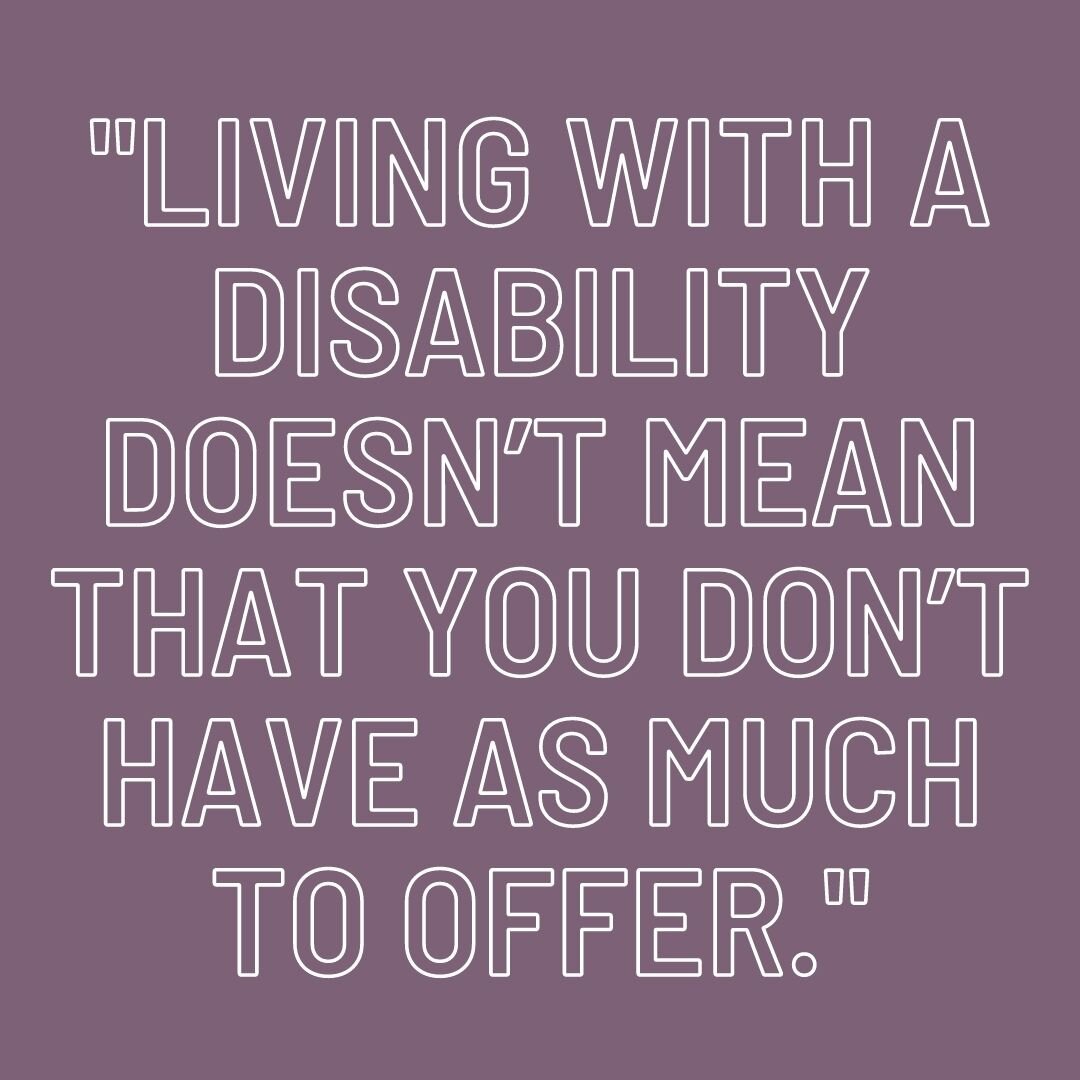
In the past, I had always checked No, I don’t have a disability or history of disability. But now, as I start to look for Physician Assistant (PA) jobs, I can’t ignore the fact that I live with ulcerative colitis (UC) and flares can rear their ugly heads even when I take the best care of myself. I never had to sit and ponder this question before. Because of the way disabilities are viewed by most people, stigma swirls around it, leaving previously unaffected people like me unaware and uneducated about progress being made and the struggles still faced in the workplace. Disabilities are commonly viewed with negative connotations - several of my coworkers and other colleagues that live with chronic illness and/or disabilities have highlighted this and spoken powerfully against this negativity. Living with a disability doesn’t mean that you don’t have as much to offer. The people I’ve met through the chronic illness and disability community are some of the most resilient, creative leaders I know. We face our challenges and continue living and advocating against all that is physically or mentally against us - we have to draw incredible strength and grow up sooner and in ways that most others don’t.
However, I still struggled with multiple emotions as I sat, mulling my thoughts, stuck on this page of a job application. I have never considered myself as a person “who has a disability.” I felt guilty - would those with disabilities think that I don’t support them since I don’t want to group myself with them, giving myself another label that’s often viewed as weak? Am I misrepresenting those who do have disabilities because my UC has been so mild and I am largely functional? I felt that I don’t belong in the “disability group”, but I also can’t deny that I have a chronic illness that can be disabling in a variety of ways. I definitely consider myself lucky and blessed, but I know that my UC can change throughout my life and potentially become more difficult to control. I struggled to work through these thoughts, but then thought about how my growth this year from being more involved with advocacy has given me tools to advocate for myself and to continue learning from this community.
My options were:
Yes, I have a disability, or have a history/record of having a disability
No, I don’t have a disability, or a history/record of having a disability
I don’t wish to answer
What should I choose? It had to be either #1 or #3. I couldn’t lie - I was more afraid that it would not go over well if I did get the job and had to bring up my UC later to my employer. But then, if I marked “yes”, could that jeopardize the chances of me getting interviewed or getting a job? I’ve heard awful stories about those who hid their disability from their employer because they knew it would affect them being hired or even interviewed. Luckily, I was working with another healthcare provider who had been diagnosed with lupus over the past year and was also learning how to navigate her chronic illness in the work environment. I asked her what she thought and we ended up having a candid conversation - I realized that if marking “yes” caused me to not get an interview or a job, then that job wouldn’t have been supportive enough for me anyway. Perhaps this is my stubborn streak coming through, but I hope that working in the medical field will hopefully make potential employers more understanding. However, I know that the stigma that encircles chronic illness and disability still permeates the workplace, and this fact will stay on my mind throughout my job search.
In the end, I did mark “yes.” It is more important to me to have the chance to advocate for myself and be supported rather than hiding my diagnosis out of potential embarrassment or fear of how I would be treated because of it. Maybe this will backfire, but by being up front about my UC, I’ll feel more comfortable in my workplace. I hope that I’ll be supported enough to communicate any issues I’m having or if I do end up needing some sort of accommodation in the future. I’m very excited about applying for jobs and starting this new chapter in my life and career as a PA, but I still have much to learn about disability in the workplace. I hope by learning to navigate these waters, I can help others who may be in the same situation - questioning if they fall into the disability category or not, wondering how they should approach disclosing (or not disclosing) their condition to their employer. Since the US just hit the 30th anniversary of the Americans with Disabilities Act, I also plan to continue to educate myself and learn more about the disability community in conjunction with chronic illness. We should never have to choose between our career and our health, and I hope I can join many others who are working to make this a reality for all who are affected by chronic illness or disability.

Emotions and IBD
There are a lot of emotions that come with the diagnosis of any chronic illness, or even any major life change. But laying on the operating table, under the haze and fading twilight of the anesthesia medication exiting my veins, I felt nothing. The echoing silence of the room was heavy all around me. I expected to feel an overflowing stream of emotions flow over me, but instead the most striking sensation of my diagnosis was emptiness. It could have been the drugs dulling my system and my perception of the world. Yet, over time, I’ve started to think that the cause of the void-like feeling around my diagnosis was something incredibly real, and not artificial. The feeling of change is oftentimes so big that it feels like nothing.
In that hospital room, so much had changed with a simple test. The scale of the moment was beyond comprehension. My parents and I communicated without words, because anything that could have been said would have failed. All the periods, letters, and adjectives in the world would never be enough to frame that point in time. So, somehow and instead, I just knew that I had ulcerative colitis without being told. Shock, and the whole experience, was such a surreal feeling. To know that something has snapped, or broken, or ended, but to be unable to directly confront that realization is off-putting. It was easier to not speak the change aloud, because to speak it into the world would make it extra real.
In the weeks after my diagnosis, it was as if a light switch had been switched back on. All of the fear, grief, and anger I had missed earlier suddenly now surrounded me. The trauma of illness is such a widespread and varied experience, but it can be difficult to describe and discuss. It’s isolating to feel different, and to feel like you’ve lost a piece of yourself. Health is something that most people take for granted or don’t think about. So when it’s taken away from you, its absence becomes the dominant part of your everyday life. The shift in my lifestyle to one focused on health had a significant impact on my mental health. I was in an environment, my freshman year of college, where everyone seems to be testing the limits of their independence. Thus, to feel completely dependent on my unstable day-to-day health felt unfair and tragic.
It’s a challenge to have the energy to battle painful, and draining symptoms on a daily basis. I learned that adjusting to my illness, and all of the treatment that comes with it, was a major part of my healing journey. On top of that, I realized that acknowledging the emotions I was experiencing was an important part of accepting my illness. It’s normal and natural to be angry, to grieve, and even to be nostalgic for your life prior to diagnosis. In fact, for me, it was the first step towards opening up and connecting with others in the chronic illness community. My experiences, feelings, and my relationship towards my health has been full of highs and lows. Most of all, I’ve learned that the negative and positive emotions I’ve encountered from dealing with illness are all valid. They’ve helped me grow, learn, and evolve as an individual. Every journey is different, and that is perfectly okay.
