

Personal Stories

When Medicine Helps but also Hurts: Biologic Drugs’ Side Effects

By Maria Mutka from NC, USA
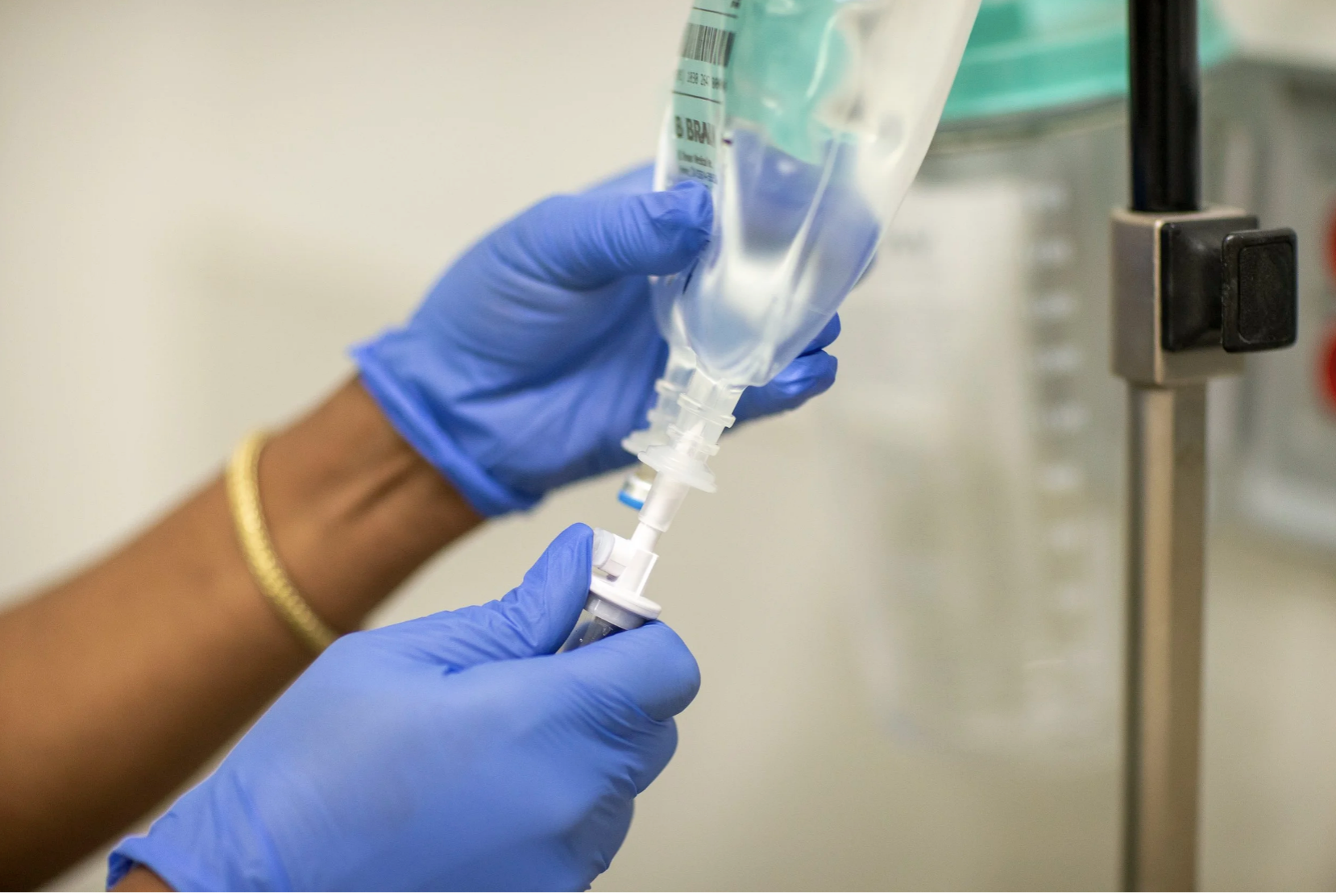
The last thing out of the million concerns swirling around my mind while administering my newly prescribed biologic drug was the worry that I might have extremely uncomfortable and visible symptoms from my medication. Especially not when it was about a month and a half to two months after first injecting the medication when I noticed my first symptom: my hair falling out more than usual.  

I dismissed my hair falling out as a potential side effect of the flare that I had had earlier that year which led to the medication change. I had gone from mesalamine to prednisone to budesonide treatments over a period of months, all to no avail. It was the second semester of my first year of college, and all I wanted was a little bit of stability while I settled into college life. Instead, I was occupying the one private bathroom in my dorm constantly or running as quietly as possible to the public bathroom on my floor in the middle of the night. 

I had doubts at the beginning of the school year about whether college could be viable for me. I was pleasantly surprised during my first semester when my symptoms quelled, and I made good grades and new friends. I rode that high into my second semester feeling like I had things relatively under control. That all came crashing down very quickly.

When my gastroenterologist prescribed me a biologic drug, it was nerve-wracking to hear the potential side effects and impact the drug could have on my body, particularly my immune system. At that point, however, I was ready to try anything to get back to a relatively “normal” baseline. After my first few injections, I felt relieved to notice that my symptoms were calming down. 

While I was feeling better, I started to notice clumps of hair appearing on the floor or in the shower. It was easy enough to dismiss that. I had summer classes to focus on and my hair was the least of my worries. Then I noticed some sores and psoriatic plaques on my scalp that were irritating and uncomfortable, but nothing I still couldn’t ignore. When I thought about it more, however, it was a headscratcher. I hadn’t changed detergents or personal care products, so if I was having an allergic reaction the cause was not obvious.

Then came the symptom that was a bit harder to ignore: small abscesses appearing on different areas of my body. I went to the university health clinic several times to have them drained. My providers acknowledged that these did not just appear to be in-grown hairs or a reaction to the intense summer heat. There was something more going on.

After getting a couple of these abscesses, I began to think more critically about my new medication. That was the one new factor in my life. My food, personal care products, and surroundings had largely remained the same. 

As I returned to college for my sophomore year, I hoped the fall weather would help cool this strange reaction that was taking place in my body. Almost immediately when the semester started, my whole body broke out in a strange, blotchy rash. My eyes were swollen but I had no other symptoms that indicated anaphylaxis such as my throat closing or shortness of breath. 

After this last episode, when no provider could come up with an explanation for my odd progression of symptoms, my gastroenterologist took me off the biologic drug I had been taking. Fairly soon after that, things went back to normal. While my gastroenterologist would never say that the biologic drug caused the reaction, and it’s true that there’s no way to definitively establish a correlation between it and my symptoms, I can say that things only got better when I stopped that medication. Now I was back to square one, but at least with the knowledge that the biologic drug I had been on was not going to be the answer.

Most often, side effects or adverse events related to biologic drugs happen much sooner after medication administration than in my case. They typically also feature clearer signs of a reaction such as shortness of breath, chills, redness, itchiness, itchy eyes, or itchy lips. While these symptoms are fairly uncommon, rarer reactions can involve central nervous system disorders, cardiac issues, and Lupus-like syndrome. 

There can be a lot of fear built up around biologic drugs, however for many IBD patients they can work wonders. I’m on a different biologic drug now and have experienced the longest period of remission that I’ve ever had in my life. It’s an amazing feeling. 

Nonetheless, it is important to be on the lookout for side effects when starting any new medication. It might be easy to dismiss the list of side effects in tiny print on the medication safety sheet or as they are read out to you by a clinician, but it’s critical to be aware of when a medication may be harming rather than helping you. Stay vigilant for the first few weeks and even months of a new medication and keep track of how your body is feeling and reacting. Not every medicine may be right for you, and it’s important to let your provider know if you feel like your medication is negatively impacting your health. Even if you feel like there may not be a better treatment option out there for you, there are likely more options than you think. It is your provider’s job to work with you to find the treatment that best fits your body and your needs.


Source: Side Effects of Biologic Medications - Johns Hopkins (hopkinsarthritis.org)

When the cared for becomes the carer.

By Selan Lee from the United Kingdom

I’m not the biggest believer in Astrology. I might complete an occasional zodiac quiz or look up my horoscope when life seems complicated - but I’m not one to base my whole personality around my status as an Aries. However, in light of recent events - I’ve become a bit more of a believer. 

At the start of 2024, I made my annual Google search on the predictions for the Lunar New Year. What started as a little harmless fun quickly turned depressing. My fortunes for 2024 looked bleak as a dragon zodiac, and now I can see the start of my 2024 misfortune. Coincidentally, my mum began experiencing balance and coordination issues at the same time as my feeble attempt to predict the future. Following visits to the GP and A&E, a transfer to a ward and surgery - Mum has been relieved of the meningioma that started it all. I realised our roles had been reversed for the first time on Mother’s Day. I, who had been cared for as a daughter and a daughter with Crohn’s disease, had become the carer and guardian of a mother who’d been caring from the moment she found out about me. 

Only now that she is home, with the benefit of retrospect, I realise I had a small glimpse into a carer’s experience. Many of us with chronic illness gripe that often, and quite rightly, our experience is never fully understood or communicable. But the trauma and sacrifice of carers is something even less understood. My mum would never call herself a hero or a loyal supporter, as many news headlines and commenters like to attribute to partners, loved ones and friends of chronically ill people. It is a title that never sits well with her and similarly with me following the last few months. 

I sat next to her at every medical appointment. I anxiously walked the hospital corridors during her surgery. I memorised every detail of the conversations with the nurses. I visited her every day and filled in every piece of paperwork. Just like she did these last 6 years. 

The roles had thoroughly been reversed, and not once did I feel heroic - I felt helpless, even more than I did when I was freshly diagnosed.

With the advantage of improved research and awareness, more and more people are aware of the intersectional and complex identities of people with chronic illness, as exemplified by the IBD Disk (Ghosh et al., 2017). However, this level of understanding and empathy has yet to be mirrored in the perception of carers. They are still a monolith of loyal, self-sacrificing heroes - not deeply traumatised, frequently tired and overwhelmed soldiers.  

I am fortunate to have someone and a support network to rely on to come with me to hospital appointments or to talk to when being sick becomes a little too tough. I am acutely aware they are one of the reasons I’ve been resilient with my IBD (Keefer, 2018). Their endless care, kindness, and generosity are never lost on us, but as Atticus Finch said, “You never really understand a person until you consider things from his point of view...until you climb into his skin and walk around in it.” The experience of chronic illness can never be fully understood, but so is that of the carer. Some will be lucky to encounter this responsibility later in life. Still, one thing is for sure - it is one that no one is ever truly prepared for, and though it shouldn't be lauded to a pedestal which diminishes the status of the chronically ill person - it definitely is one that I believe deserves the same comprehensive appreciation.

Featured photo by Matthias Zomer from Pexels.

References

1. Ghosh, S., Louis, E., Beaugerie, L., Bossuyt, P., Bouguen, G., Bourreille, A., Ferrante, M., Franchimont, D., Frost, K., Hebuterne, X., Marshall, J. K., OʼShea, C., Rosenfeld, G., Williams, C., & Peyrin-Biroulet, L. (2017). Development of the IBD Disk: A Visual Self-administered Tool for Assessing Disability in Inflammatory Bowel Diseases. Inflammatory bowel diseases, 23(3), 333–340. https://doi.org/10.1097/MIB.0000000000001033

2. Keefer, L. (2018). Behavioural medicine and gastrointestinal disorders: the promise of positive psychology. Nature Reviews Gastroenterology & Hepatology, 15(6), 378–386. https://doi.org/10.1038/s41575-018-0001-1

When One Diagnosis Leads To Another…

By Maria Mutka from NC, USA

“Don’t you have enough chronic illnesses?”

No one has actually ever asked me that before, but despite my efforts to push the question out of my mind, occasionally, when all my chronic illnesses seem to flare simultaneously, orchestrating a cacophony of discomfort, I ask myself that question and wonder if others in my life are silently asking it too.

At the age of 24, I have been diagnosed with three chronic illnesses. Sometimes I feel like I am collecting them like Pokémon cards. I was first diagnosed at age 10 with inflammatory bowel disease (IBD), specifically ulcerative colitis. 

I remember throughout my adolescence and teenage years periodically filling out a symptoms questionnaire that asked about joint pain, rashes, and fevers. I was aware of the potential extraintestinal manifestations of IBD, but I was so focused on my gastrointestinal symptoms that I relegated any other discomfort to the sidelines.

At the time, I attributed those extraintestinal manifestations only to Crohn’s disease, so I avoided asking the doctor about my sleep attacks or leg pain. On a deeper, subconscious level, I avoided acknowledging the potential correlation between these other symptoms and my IBD because I would have had to accept the fact that my ulcerative colitis was not under control and was affecting more than my gastrointestinal (GI) system. 

I was trying my best to maintain the cognitive dissonance of living with tangible symptoms, fatigue, and depression from my ulcerative colitis without fully acknowledging the ramifications of the disease activity on my whole body and overall health. I succeeded at ignoring the flares of my leg pain and increased sleep attacks that seemed to occur in concert with my colitis flares. 

That’s part of the reason it took me almost 7 years to get diagnosed with sacroiliitis after I first began experiencing lower back and leg pain that left me with intermittent problems with mobility due to leg spasms and shooting pain down both of my legs.

No one could explain why I was experiencing such debilitating pain in my lower back and legs at such a young age: not my gastroenterologist, an orthopedic specialist, a physical therapist, a chiropractor, or, initially, a rheumatologist. It took me first researching chronic lower back and leg pain conditions that are comorbid with ulcerative colitis and then presenting the possibility of sacroiliitis to my rheumatologist for me to finally get diagnosed. 

Once the MRI confirmed it, my rheumatologist noted my prowess in correctly diagnosing my own condition. I couldn’t help but think how silly it was that if I did not have the medical literacy and access to health information that I have due to my education and professional experience, I may have not gotten a diagnosis and treatment for my pain and mobility issues for who knows how many more years.

My next diagnosis of idiopathic hypersomnia at 23 after chronic sleep attacks also resulted from self-advocacy with my providers. When you are continually the one bringing medical attention to your disorders, it can be difficult to not have a type of medical imposter syndrome, essentially believing that you’re just a convincing hypochondriac. Having experienced a long diagnostic journey several times, it has become clear to me that it is not sustainable for chronically ill young adult patients to continually self-advocate for their health without their providers’ support. It is hard enough to live with a chronic illness like IBD as a young adult without having to feel like you are fighting for the care you need all on your own.

Providers who fully collaborate with patients on approaches to their care help to ease the burden of self-advocacy for chronically ill patients. They can partner with patients to think critically and innovatively about management and treatment options that align best with patients’ values, goals, and unique clinical histories. This partnership can lead to the proactive identification of connections between patients’ IBD and other aspects of their health and functioning (i.e., sleep, mental health, pain, fatigue) which can prevent gaps in care due to unaddressed needs or undiagnosed comorbid conditions.

It is no secret to many providers that IBD as an autoimmune disorder can affect more than the GI system and can be connected with other autoimmune or inflammatory disease diagnoses. This knowledge should be widely shared with patients, especially youth and young adults, to empower them to discuss their overall health in a holistic context. The focus should not solely be on the gastrointestinal system; fatigue, sleep issues, joint pain, mental health concerns, and various comorbidities are also relevant to IBD and should be addressed in tandem with GI care.

Provider and patient relationships should serve to empower patients to let providers know when they feel they’ve missed something. Providers should especially take chronically ill patients seriously when they mention newer pain or discomfort. As chronically ill youth and young adults, we spend a lot of our time getting to know our bodies as frequent flier patients. We know our bodies best and deserve to be taken seriously by our care teams. 

It probably goes without saying that I shouldn’t have had to wait 7 years for a diagnosis and treatment of a chronic condition that, when active, makes it difficult for me to walk.  Dismissing the pain of chronically ill patients because they tend to constantly experience pain or discomfort of some sort is an all-too-common occurrence. It is easy for providers to chalk the pain up to an already diagnosed disorder without probing it further. I can’t help but think, though, what the possibilities for improved quality of life and well-being could be if providers and care staff not only heard but listened to my voice. 

Your pain should not be invalidated because you already have a lot of it. If you feel your providers are missing something, speak up. You are the real expert on your body and your health. 

References:

  1.  Sacroiliitis: Causes, Symptoms & Treatment Options (clevelandclinic.org)

  2.  Idiopathic Hypersomnia (Mayo Clinic)

Featured photo by Medhat Ayad from Pexels.

Navigating the Fatigue Roller Coaster: My Personal Journey with Crohn's Disease  

By Yeabsira Taye from Addis Ababa, Ethiopia

Living with Crohn's disease, a type of inflammatory bowel disease (IBD) which is chronic, comes with its unique set of challenges. Among the many symptoms that accompany this condition, fatigue has been a  constant companion on my journey. Fatigue in Crohn's disease is unlike any tiredness I had experienced before. It goes beyond feeling simply tired or sleepy. It is a bone-deep weariness that affects every aspect of my life. The unpredictability of fatigue is one of the most frustrating aspects. Some days, I wake up feeling relatively energetic and ready to take on the world, only to be struck by an overwhelming wave of exhaustion a few hours later. Other days, the fatigue is  ever-present and weighs me down from the moment I open my eyes.  

The constant battle with fatigue takes a toll on my emotional well-being as well. It can lead to  feelings of guilt, frustration, and even isolation. I often find myself feeling guilty for not being able to fulfill commitments or meet the expectations I have for myself. The inability to keep up with social activities or spend quality time with loved ones can lead to a sense of isolation and a fear of missing out.

As a medical student with Crohn's disease, battling chronic fatigue in the midst of hectic schedules is a formidable challenge. The unpredictable nature of the fatigue makes it difficult to plan and commit to my studies. There are days when I wake up feeling relatively energetic, only to have my energy levels plummet suddenly, leaving me unable to fulfill my obligations. This inconsistency can be disheartening and can lead to feelings of guilt and self-doubt.  

The experience of thriving for two years with Crohn's disease taught me that living with fatigue of Crohn's disease is an ongoing journey that requires patience, resilience, and self-compassion. By accepting the realities of fatigue and implementing strategies such as energy management, rest, nutrition, exercise, stress management, and building a support network, I have transformed my experience from one of mere survival to one in which I am thriving, despite the challenges.

Remember, you are not alone in this journey, and with perseverance and a tailored approach, it is possible to  reclaim control over your life and find moments of joy and fulfillment amidst the shadows of fatigue.

Featured photo by lalesh aldarwish from Pexels.

Things I Learned After 1 Year Diagnosed With Crohn’s Disease: Advice for the chronically ill and their loved ones.

By Giana Formica from OH, USA

A year ago today, I was diagnosed with Crohn’s disease and my life was forever changed. My body has gone through a lot in a short period of time. I’ve had four hospital stays, an ostomy bag for three months, two surgeries, and one colonoscopy. I’ve learned so much but this is just the beginning. I’m growing and learning everyday new ways to cope and accept the fact that I’m chronically ill and my life looks a little different than most. I’m proud of all that I’ve accomplished this last year but I am still learning and working on these skills and accepting these changes to my life. 

Progress isn’t necessarily linear.

The unfortunate reality of having a chronic illness means you are going to have bad days. It’s hard to measure your progress when focusing on the negative. 

How to change an ostomy bag.

Really I should say I’ve learned what an ostomy bag is. I have so much respect for my friends with lifelong ostomies. 

If you think you need to use a mobility aid, just get one.

When beginning to search for my own this was the best piece of advice I found. They are made to help people enjoy their lives and not be in pain. Why wouldn’t you want one? 

Art is healing.

Being able to have a creative outlet while growing with the life changes chronic illness brings, makes a world of a difference. 

It’s okay not to be resilient and strong all the time.

As a disabled person, we all hear the phrase “you’re so brave” or “they’re so strong” thrown around by able-bodied folks when referring to our conditions. We deserve to be able to break down and be frustrated about our experiences because sometimes it is just plain exhausting. 

Community building is incredibly important.

Having a support system of disabled friends and able-bodied allies makes such a difference in personally healing. 

Be the representation you needed.

Everyone’s experience being chronically ill is unique. It’s up to you to speak out and use your voice to advocate for what’s important to you.

You are a whole person, beyond your chronic illness. 

Medicine is very scientific. It’s important to remember the holistic aspect of your being beyond your illness or disability. 


Featured cover photo by Miguel Á. Padriñán from Pexels.

Haemoglobin Heist: Anaemia as a Complication of IBD

By Zahraa Chorghay, Montreal

I transformed into a vampire in a field of daffodils

their lips drooped aghast as I soaked in the blood

of another human


my body was consumed with insatiable hunger

a voracious appetite for haemoglobin and oxygen

for life


the first miracle of life is birth, the second is living 

with all its defiance of the inevitable

of death


Do you know where all my blood went when I showed up to my hospital’s emergency department (ER), my head pounding and tests showing anaemia so acute as if I’d just bled out? They patched me up — a needle inserted into my left antecubital area (inner elbow) to deliver a unit of blood, stat, and some iron too — but remained bewildered as to the cause. On a stretcher parked next to the nurse station, I stared up at the ceiling tile painted with five daffodils, feeling like absolute shit yet relieved at the thought that maybe when all this was done, I would finally be rid of the headaches that had haunted me continuously for over a month.

It’s always the same, believe it or not; “It’s always the Crohn’s, believe it or not,” I told the tired attending doctor. Then, I headed home after an eventful day spent in the ER. 

Anaemia is “the most common metabolic complication” of inflammatory bowel disease (IBD), defined as a haemoglobin level of less than 13 g/dL in men or 12 g/dL in non-pregnant women (Mahadea et al., 2021). Given that haemoglobin is the oxygen carrier within your red blood cells, individuals will have reduced blood oxygen levels in anaemia, underlying the following symptoms:

  • fatigue 

  • weakness

  • low blood pressure

  • shortness of breath, even at rest or with mild activities

  • rapid heart rate

  • numbness or tingling in your extremities

  • irritability

  • headaches

  • pale skin

  • slight fever

What makes anaemia particularly complicated in people with IBD is the susceptibility to blood loss, dehydration, malabsorption, and malnutrition from chronic intestinal bleeding, inflammation, and ulcerations. IBD symptoms such as chronic fatigue, along with side effects of medications or surgical procedures, can further mask symptoms that medical practitioners otherwise rely upon to diagnose anaemia. To demonstrate just how complicated it can be, over months, I gradually had all of the symptoms listed above, which I complained about to my family doctor (GP) a couple of times, yet my anaemia remained undiagnosed.

The decrease in haemoglobin levels seen in anaemia can arise from iron deficiency since iron is necessary for haemoglobin formation. To increase iron intake, you can consume iron-rich foods, such as red meat, eggs, legumes, and leafy green vegetables like spinach and kale (Mayo Clinic, accessed 2024). (Palak ghosht, anyone?) Iron supplements, either oral tablets or IV infusions, may also be administered to individuals with anaemia, but those can have adverse effects so dietary changes are preferred. 

Unfortunately, even people who consume sufficient iron can show low haemoglobin levels due to lack of absorption through a diseased or surgically excised gut in IBD, other deficiencies (e.g., of folic acid or vitamin B12), early destruction of red blood cells in hemolytic anaemia, inherited disorders like sickle cell disease or thalassemia, menorrhagia (excessive menstrual bleeding), or adverse effects of certain medications (Penn Medicine, accessed 2024). Depending on the aetiology of the anaemia, different treatment options can be pursued.

In case you’re wondering how anaemic you need to be for your suggested treatment to be a blood transfusion — a last resort option due to its well-documented adverse effects, including potentially immune rejection — I showed up to the ER with a haemoglobin level of just 4.2 g/dL. I can’t get over how I was still able to get through that month of continuous headaches and shortness of breath everytime I stepped out of the house, appearing relatively functional to everyone else, despite calamity looming within me, literally within my veins. The human body is marvelously resilient, subhanallah! Nevertheless, I hope that having read this piece, you will be more easily able to recognize these signs and symptoms of anaemia as well as to advocate for yourself in medical settings, preventing you from having to find out firsthand just how resilient your body can be.


Featured cover photo by Irina Iriser from Pexels.

I’m sorry to all the people I hurt while I was hurt

By Yeabsira Taye from Addis Ababa, Ethiopia

Being diagnosed with Inflammatory Bowel Disease (IBD) is an experience that is difficult to put into words. It is a moment that carries a mix of emotions, thoughts, and uncertainty. For me, it was a  whirlwind of confusion, fear, relief, and hope all at once. It offered a sense of closure to that chapter of uncertainty.  

During the difficult times of my flare-ups, I found myself longing for the support and understanding of  my beloved ones. Perhaps what hurt the most was the way “some of them” invalidated my experiences.  Whenever I tried to share my pain or express how I truly felt, they dismissed my feelings as mere  exaggerations or attention-seeking behavior. It was devastating to have my emotions disregarded and to  not have my pain acknowledged by those I held so dearly.  

BUT of course I am very grateful for the love and support of the people who take care of me. They  understand the challenges I face and go above and beyond to ensure that I am comfortable and well-cared  for. Now, after I have faced three flare-ups within two years I understood that, it is important to  acknowledge that everyone has their limits; chronic illnesses bring with us a multitude of physical,  mental, and emotional challenges. It is not uncommon for loved ones to experience emotional detachment as they witness their beloved family member, husband/wife, fiancée or friend endure the hardships of a  chronic illness. They may distance themselves emotionally to shield them from the pain of witnessing our  struggle.  

There are moments when the perception of distance from those we hold dear can lead us to inadvertently  detach ourselves from them in an attempt to protect ourselves. It wasn't easy dealing with the physical and emotional pain that accompanied our condition, we may blame them for making our flare-ups even harder  to handle.  

As time went on, I realized that the mistreatment I endured from others was not a reflection of my worth  or value. It was a poignant reminder that everyone faces battles of their own, and sometimes, their harsh  words or actions are merely the projections of their own pain and insecurities. While navigating through  my flare-up, I understood that forgiveness was essential. Forgiveness became a powerful tool in reclaiming my strength and power, transforming the negative energy into something positive.  

Today, I am grateful for the difficult journey I endured during that time of flare-up. It allowed me to tap into my resilience, strength, and inner resources that I might have otherwise overlooked. It taught me the  importance of self-reflection, self-compassion, personal growth, and forgiveness. 

Featured Photo by Vie Studio from Pexels

Don't Give Me Morphine!

By Peter Park, TX, USA

Like a knife in my gut, I feel the pain in my belly twist and turn inside of me. It’s midnight and I shout from the pain. I’m in my second year of medical school and I wonder if this is going to be the rest of my life. I start to cry because I know how this night will go. Another to the Emergency Room (ER). Another chance to defend my case. Another plea to doctors and staff to say, “my pain is real”. 

It started when I was 16 when the pain first began. It would follow the same pattern every time. I would be under a lot of stress from an important test, a breakup, or family issues. Then suddenly within a few hours, I would develop severe pain, and then no bowel movements for several days. First time I went to the ER, I was diagnosed with small bowel obstruction. They would stick the dreaded nasogastric (NG) tube from my nose to my throat. Give me some morphine. Then we wait for the first bowel movement. Go home after some intravenous (IV) fluids and call it a day. Doctors said it was a one-time thing at first. Then when I kept coming back with the same pain, they suspected me of opioid use.

From then on, quarterly trips to the ER in high school. I suddenly became an emergency regular. My favorite cocktail: IV saline, an NG tube, and a vial of morphine. I would be out in a few days. This went on for nearly ten years. Some diagnostic workup including abdominal CTs/MRIs, endoscopies, colonoscopies, small capsule endoscopy pill studies, balloon gastroenteroscopy with biopsies. All for “indeterminate”or “inconclusive” findings. For years, I would push for myself suspecting I had inflammatory bowel disease (IBD), Meckel’s diverticulum, complicated irritable bowel syndrome (IBS) or a whole differential of items to pursue. Still, I would be met with, “what’s your drug history, again?”

But this time, I know it’ll be different. I mean, I am a medical student now. I have presented my patients to doctors before. Now as the patient, I feel ready to present my case. 

After waiting in the ER for several hours, I am checked in and situated in a room in the ER. Still in severe pain, the ER nurse and I go over my history, symptoms, medications, social history, etc. Then, I ask for something for the pain. I can’t bear it. The ER nurse looks back and says “Let me ask approval from the doc for morphine”. 

Medical knowledge rushes into my head with a fact stating, opioids (i.e. morphine) cause constipation. Don’t take morphine when your bowel is obstructed! 

I turn to the nurse and tell him, “Please don’t give me morphine. I need a strong Tylenol or Tramadol. Just don’t give me an opioid.” And I will never forget the look he gave me, stared at me in the eyes and said, 

“All we have is morphine. Take it or leave it”

What? 

I’m suddenly so confused. I’ve worked in ERs before and I know what he’s saying is not true. Every neuron in my brain is fighting on what to say between the medical knowledge of other non-opioid alternatives to the supply and demand of medications that could allow for this situation to reasonably happen. Stuck between a stricture in my stomach and ever growing imposter syndrome, I cave and submit.

“Fine just give me whatever you have”

Following stabilization, I stayed in the hospital for a total of five days, where the last three days the whole medical team was just waiting for me to pass a bowel movement before discharge. So what if I had to stay in the hospital a few more days, who cares? 

And you would be right. The outcome didn’t affect my life in the grand scheme of things, but what I cared more about was the lesson I took away which was that:

Knowledge is power until you’re powerless. 

That previous system did not ever officially diagnose me with Crohn’s disease. In fact, I went about my own way to seek out two different Gastroenterologists from two different hospital networks to compare different opinions, run multiple different tests, and was finally diagnosed almost a year after my last emergency room visit.

Now, I am stable on a biologic and have not been in the emergency room for over a year. My final takeaway is this: Don't take no for an answer when it’s about your medical health. If you're confused, speak up. The only one that suffers from your silence is you, so stand up for yourself.

Peter Park is a 4th year medical student at TCU Burnett School of Medicine. He is pursuing Psychiatry and set to match in 2025 with hopes of treating mental health in patients with chronic disease.

Featured photo by Pixabay.

A Not So Invisible Illness: Inflammatory Bowel Disease

By Maria Mutka from NC, USA

Content Warning: Body dysmorphia, abnormal eating and exercise patters.

As a high school teenager, I thought I was doing well at hiding my illness from my friends and peers. When there were snacks or meals served at school that I knew would send me straight to the bathroom, I deftly avoided them and made excuses that I had already eaten or just wasn’t hungry. If I was experiencing extreme abdominal pain, bloating, and gas during the school day, I tried to ignore it while positioning myself as close to the door as possible, just in case.

For most of high school, I experienced a constant flare that fluctuated between mild and moderate symptoms. This made hiding the tangible symptoms of my ulcerative colitis somewhat possible in my mind, although my friends and peers undoubtedly knew I was experiencing gastrointestinal health issues. I had briefly mentioned to them before that I had inflammatory bowel disease (IBD), but avoided elaborating on what that meant out of embarrassment and fear that it would make them uncomfortable.

I soon realized that there was one facet of my illness I could not hide from my classmates: while being a sophomore in high school, I was 5’2” and barely 80 lbs., with the face and the body of an 11- or 12-year-old. This visible manifestation of my illness through delayed puberty caused me to experience a lot of insecurity, which in turn led to becoming obsessed with food intake and exercise. I was constantly trying to find the perfect balance between food and exercise that could overcome the deleterious impacts of my ulcerative colitis on the absorption of nutrients critical to my growth.

Perhaps the reality of my underdeveloped body so heavily impacted me because of my journey with ulcerative colitis since the age of 6. I had gotten used to the other physical manifestations of the disease: frequent bowel movements, diarrhea, blood, pain, and extreme fatigue, but this limbo stage of early pubescence was new to me. It was extremely damaging to my adolescent attempts at processing and accepting my body for what it was, and at developing anything resembling a positive body image.

At the time, it felt as though with my IBD symptoms continuing, the very least my body could offer me was a sense of somatic belonging and self-worth that I felt could only come from looking like my peers. I was determined that looking my age would help me finally feel like I had access to the same sort of normal teenage experiences they did. Maybe once I looked like everyone else, I would feel more confident in making new friends, being involved in athletics, straying outside the comfort of a singular, perfectionistic focus on academic success by making mistakes, and dating.

For so long, I let my physical appearance dominate my social interactions and extracurricular activities because I felt like an imposter in my own body, completely estranged from what I thought it meant to be a teenager like my peers. In my mind, I was only able to watch from the sidelines as high school, along with the seminal memories and lessons that accompany adolescence, unfolded for everyone else.

Part of the issue was that I was not simply imagining my peers’ perceptions of my physical appearance. Under the guise of concern, while trying on costumes for high school theater productions, several of my peers would tell me that I needed to eat more, bluntly stating that I looked like a twig. In those moments, I could not have felt more infantilized or more childlike not only in appearance but in how my peers treated me.

It was not only my peers who infantilized me. Eventually, I was referred to an endocrinologist for my stalled growth. While I had looked forward to identifying possible solutions to my inability to gain weight and progress further in puberty, all I received from my doctor were vague assurances I would eventually grow and that my endocrine system was in working order. These small efforts at placating the concerns that were wreaking havoc on my mental and social quality of life while well-meaning, were harmful. They reinforced my ever-growing anxiety that my situation would never change and that my mental health and social quality of life did not matter.

My experience with US health care systems’ large deficits in addressing chronically ill youths’ psychosocial needs and quality of life is, unfortunately, not at all unique. Whether these needs are avoided intentionally through health systems causing direct medical trauma, or through omission in failing to address social determinants of health (e.g., housing needs or food needs), the harm done is impactful and lasting. If providers had screened for or discussed my mental health and psychosocial needs related to my IBD at any point, I would have jumped at the chance to talk about it. However, my physical symptoms were the only topic of discussion and implied to be the only issue that could even concern me.

I know now that delayed puberty is not an uncommon comorbidity of pediatric inflammatory bowel disease, as many studies on the subject have shown. Despite my at-the-time unassuageable fears, I did eventually grow and complete puberty, although I do still receive comments that I look young for my age.

Looking back at my adolescence, when I felt like I was perpetually stuck in a Groundhog Day scenario due to my delayed puberty, in hindsight, I can appreciate all my body did for me. I was able to make it through a multi-year-long flare, and all things considered, my body managed it pretty well. Looking back, I try to have compassion for my perfectionistic teenage self who was determined to look like her peers to an unhealthy extreme. What she needed was a pat on the head or vague assurances everything would turn out okay. She did not even need hormone therapy, medication, or any sort of quick fix to help her start puberty earlier. It was in many ways a lot simpler than that: she needed providers and a broader health care system that could recognize her need for mental health support and do something about it.

Featured photo by mododeolhar from Pexels.

A Dozen Extra Organs: 12 Organs You Could Survive Without

By Zahraa Chorghay, Toronto, Canada

“I don’t have guts.”

“Hahaha.”

“No really, I don’t have guts. I’m literally missing my large intestine.”

“Wait, are you serious?”

“Yes, why would I joke about that? Plus, I’m one of those people who like to use the word literally for literally, unlike some people who mean figuratively when they say literally.”

“But… how is it possible to not have a large intestine?” [and still be alive?]


That last part no one says out loud, but I can fill in the blanks. After all, this is a fairly representative template of how these conversations tend to go. Somewhere between awkwardness, disbelief, and my personal favourite, curiosity, lives disclosure – a process that is central to forming and maintaining relationships (Willems et al., 2020). 

So if you want to progress from stranger to friend, or just have more honest conversations with your friends, lover(s), or family, preferably with a [wry] sense of humour about missing organs, here is a list I created. It’s a list of organs, not including limbs and sensory organs, that can be removed from the human body that would still allow someone to survive with a fairly decent quality of life. 

“Decent” quality of life is, of course, a subjective statement. For our present purposes, let’s define it to be that most people who have had this organ removed and fully recovered from the surgery are able to have a fairly independent life, including performing essential daily personal and professional tasks and maintaining social relationships. 

It’s a fairly morbid list. Most of the information comes from my own knowledge on the subject gathered through readings and discussions, though I fact-checked details on the Mayo Clinic website

Without further ado, here’s the list of 12 organs that you could probably survive without: 

#1 Appendix.

If you have appendicitis, in which your appendix becomes inflamed, enlarges, and can even burst, then your appendix may be removed by performing an appendectomy. Since the removal of the appendix did not seem to lead to noticeable adverse effects for most people, it has been traditionally thought of as a vestigial organ, although increasing research suggests that the appendix plays an immunoprotective role.  

#2 Tonsils, including adenoid tonsils.

If you have tonsillitis, in which the tonsils become infected and swollen, your tonsils can be removed during a tonsillectomy. This used to be a common childhood procedure, but given the role of tonsils in preventing pathogens from entering the body and other medical considerations, non-surgical interventions for tonsillitis are increasingly preferred.

#3 Thyroid.

If you have the unfortunate diagnosis of thyroid cancer or dysfunction, such as goiters or hyperthyroidism, a thyroidectomy may be performed. If partially removed, your thyroid may still function normally. However, following a total thyroidectomy, you would require daily hormonal replacement therapy, given the crucial role of the thyroid gland in producing hormones essential for metabolism, growth, and development. 

Digestive Organs

#4 Colon / Large intestine.

Your colon may develop cancerous polyps or inflammation due to diseases such as Crohn’s or ulcerative colitis. During a colectomy surgery, to get rid of this cancerous or highly inflamed bowel tissue, your large intestine may be partially or totally removed.

The remaining colon or small intestine may be diverted towards the abdominal wall to allow faecal matter to safely and easily leave the body through an opening on the belly called a stoma. This is an ileostomy, and people with stomas often refer to themselves as “ostomates.” The ostomy bag must be emptied every few hours and changed every few days for the individual to live comfortably.

Alternatively, the remaining intestinal tissue can be restructured to form an internal J-pouch where faecal matter is collected and then passed through the rectum. Unlike an ileostomy, in this case, no medical aids like the ostomy pouch are required.

#5 Rectum.

Depending on the presence of diseased tissue due to rectal cancer or if intestinal inflammation spreads into the rectum, a proctectomy can be performed to remove all or part of your rectum. People with total proctectomies may refer to themselves as “having a barbie butt,” hinting at the lack of an anal opening just like a doll. In this case, they would also rely on an ostomy bag for daily functioning.

#6 Gallbladder.

A cholecystectomy can be performed to remove your gallbladder if complications or cancer resulting from the presence of gallstones, polyps, or inflammation is detected. Most people recover from cholecystectomies with little or no digestion issues. Since the gallbladder is responsible for storing bile, a fluid that helps your digestive system break down food, in the case of digestive issues, this can be managed through dietary and lifestyle choices or medication.

#7 Spleen.

Following trauma, infection, cancer, or blood disorders, your spleen can become inflamed, enlarge, or rupture. In this case, a splenectomy is performed to remove this organ. Since the spleen plays immune functions like red blood cell filtration, following surgery, some individuals may be more prone to infections and would require specific vaccinations or medications.

#8 Stomach.

There are many types of bariatric surgery that you can undergo. Some surgeries address trauma to the stomach or cancer. Other surgeries are for weight-related health issues where non-surgical interventions have not been sufficiently effective, and the issues are life-threatening (e.g. can lead to cardiac arrest). The stomach can be partially or fully removed, and the stomach can be partially or fully bypassed when connecting the oesophagus (food pipe) to the small intestine. Following surgical recovery, your quality of life can be managed through dietary and lifestyle choices.

Urinary Organs

#9 Kidneys.

A nephrectomy can be performed to remove you kidney, typically for organ donation, in which the recipient has failed kidneys and may even rely on dialysis for kidney function. While you can technically survive without both kidneys, because the kidneys provide an essential function of blood filtration (resulting in urine production), you would need ongoing dialysis, which is an intensive procedure that can highly compromise quality of life. 

#10 Bladder.

In the presence of cancer, or of development or neurological or inflammatory disorders of the urinary system, a cystectomy can be performed to remove your bladder. The details of the cystectomy vary depending on the spread of disease; for example, reproductive organs may also be removed. In the absence of the bladder, a urinary diversion is created so that urine can safely and easily leave the body through an opening on the belly, called a stoma. This is a urostomy, and people with stomas often refer to themselves as “ostomates.” The urostomy bag must be emptied every few hours and changed every few days for the individual to live comfortably.

Reproductive Organs

#11 Testicles / Testes.

In the event of testicular cancer or trauma, an orchiectomy may be performed to remove your testicles. While most people can return to a good quality of life following full surgical recovery, the individual would be unable to conceive and may also experience sexual dysfunction. Given the role of the testicles in producing testosterone, hormonal replacement therapy following surgical recovery is increasingly recommended to prevent long term adverse outcomes.

#12 Ovaries and Uterus.

Following cancer, trauma, conditions such as endometriosis, or for reproductive control (particularly in areas of the world where menstrual care and contraceptive options are limited), an oophorectomy to remove one or both of your ovaries and/or a hysterectomy to remove your uterus may be performed. Following surgical recovery, the individual would be unable to conceive. While most people can return to a good quality of life following surgical recovery, given the role of the female reproductive organs in producing oestrogen and progesterone, hormonal replacement therapy is increasingly recommended to prevent long term adverse outcomes.

Featured photo by Karolina Grabowska from Pexels.