

NEWS
Traveling With an Ostomy Bag
By Carina Diaz (Texas, U.S.A.)

As the world is opening up a little bit more, I was able to travel a couple times in 2021. Having an ostomy made it an entirely different experience. If you also have an ostomy and haven’t traveled with it yet, here is my experience and some tips.
Almost every time I’ve been through TSA since my ileostomy surgery, I’ve had to be patted down by someone. I asked an agent if there was some kind of medical pass or something so that I wouldn’t have to keep going through this, and she told me my only option was to get TSA pre-check. Getting patted down doesn’t take too much time, but it’s definitely something to keep in mind while traveling as it can add time at the airport. I wish there was a more accessible option since TSA pre-check costs money.

Hiking El Yunque rainforest in Puerto Rico and a mirror selfie after emptying my bag at a restaurant.
As a kid, I was definitely a window seat type of person, but now as an adult with a medical condition, I much prefer the aisle. This way I don’t have to ask anyone to get up if I have to go to the bathroom during a flight, and it eases my anxiety. If I bring a carry-on suitcase, I can also easily access it in the overhead bin if I need anything.
I change my ostomy bag every two to three days, so I make sure to pack my supplies accordingly. I also bring at least two extra ostomy bags in case of leaks or if I accidentally cut a hole through my bag. You can get travel size products from whichever company you order your ostomy supplies through. Adhesive remover spray and lubricating deodorant are two of my essentials. The adhesive spray helps to take off the bag easily and gently from the skin. The lubricating deodorant is a liquid you put in your bag so that output doesn’t cause a blockage or pancake at the top.

Traveling with friends to NYC for a concert.
I usually always bring a small bag or backpack with me on the plane. This is where I’ll keep a small pouch of my ostomy supplies to use in case I have a leak while traveling. So far, it has only happened a couple times, but I was very glad to be prepared.
The supplies I bring are:
Scissors to cut the hole for my bag
My Hollister two piece bag system
A trash bag to put the old bag in
Adhesive remover spray
Skin prep
Cream for my eczema that I have on the skin near the bag
Stoma powder
Barrier strips
Tape
A small mirror. If I can’t access a family bathroom, the mirror comes in handy when changing in a bathroom stall.
Besides keeping a pouch with supplies with you on hand, you can also talk to a flight attendant about having an ostomy and feeling anxious about flying with one. I have anxiety and letting someone know how I’m feeling helps me to calm down. This way if I end up needing help, they’ll know of my situation. I usually have snacks with me as well, but I also ask for an extra bag of pretzels since that can help output come out more formed and less liquidy.
Being prepared is something that really eases my mind. After traveling the first time with an ostomy, you’ll have a better idea of what to expect. I hope that reading about my experience and how I prepare can bring peace of mind to anyone out there who is feeling unsure about traveling with an ostomy.
It's not all about the bass - feeling comfortable in your skin.
By Maalvika Bhuvansunder

Ahh, the ever classic “All about that bass”, the so-called “revolutionary” song which was meant to show body positivity. One question though: How is it body positivity if you are putting down other body types? Body shaming is something I have endured constantly. Growing up, I was an extremely plump and chubby kid. Every vacation used to be a nightmare with relatives constantly telling me to eat less and become slim. To a preteen! That's where the root of my low self-esteem began. I was told by people that I wouldn't have friends if I don’t reduce weight. So growing up, when I did not understand the lyrics, it's all about that bass… by Meghan Trainor was a revolutionary song for me. It made me, and I’m sure a lot of other girls like me, feel amazing about our bodies. But what about the others?!
I was told by people that I wouldn't have friends if I don’t reduce weight.
A few months before I got my diagnosis, I started losing a lot of weight. Each month I would have lost around 2-3 kgs. Very soon, the chubby girl became the skinny one. It was very confusing for me and my parents as to why I was losing all this weight. Post the diagnosis, at least we knew the reason. It was very new and weird for me to look this thin and I knew this was not a healthy weight loss, but I did not have any control over it. Keeping down food got difficult, and I developed this fear of eating as it was associated with pain. What added to this were the comments of other people.
There was one group that cheered this weight loss, glorifying it without knowing the pain I was in. Then, there were the others that made me feel ashamed of being so skinny. The constant, why don't you eat, are you trying to diet, you looking this skinny is UGLY got too much. I refused to step out of my house because of this constant judgement. Random strangers used to advise me on how to gain weight and that being this skinny is not good. Strangers did not know the cause of my weight loss, but when the family and friends that did know about it made such comments, it hurt the most. The constant comparison with others in my family to casually making “jokes” and trying to funny about my weight was horrible for me. It was impossible for me to gain any weight, and it was not like I did not know that I was dangerously underweight. But “Eat up!” was not the solution, and food was the main pain-causing component for me at that time.
If you are healthy and feel great, then who cares what shape and size your body is? People are going to comment either way.
Post-surgery, now that I am able to slowly gain weight, this fear is always still there of what if I go back to my preteen body type. On the other side, the fear of relapse in weight gain is also there. I’m sure a lot of individuals with IBD would experience body dysphoria, the feeling of not belonging in your skin, and hating the way you looked in the mirror. That was me for most of my life. This experience made me realize that what truly matters is feeling healthy. If you are healthy and feel great, then who cares what shape and size your body is? People are going to comment either way. What truly matters is your health. To this date, I am not fully comfortable in my skin, but I am making baby-step progress towards it.
Dealing with Anxiety from Medical Tests and Procedures with IBD
By Varada Srivastava (India)

I have been in remission for the past 2 years, but even in remission I am required to regularly get blood and stool tests done. Recently one of my tests showed I had inflammation and I realized even after years, I experience the same type of anxiety about it. I've broken it down into 3 stages:
My Three Stages of Anxiety
1. Anxiety of getting the test and/or procedure done
Tests and/or procedures, like an MRI or colonoscopy, are infamous for having a really difficult prep. I personally get very worried whenever the doctor recommends I should get a colonoscopy or MRI enterography done. The prep for both these tests produces immense amounts of anxiety for me. The procedure in itself is very painful as well. Unfortunately, for people with IBD these tests are a must to see the inflammation of the digestive tract.
2. Anxiety about the results
Getting anxious about the results is very common whether you're in remission or dealing with a flare. Being scared about the worst case scenario, thinking about how much work or school you’ll be missing if the test results are bad, wondering whether the medication has stopped working are all fears that may come up. I think this is the most common and debilitating type of anxiety to feel. Working through it seems difficult especially without the support of friends and family.
3. Anxiety about life after the results
Hopefully the results we get are positive and that's the end of the anxiety cycle, at least till next time. Unfortunately if the result is bad, all the questions we ask ourselves while spiraling become very real issues that need to be addressed. Figuring out medical insurance issues, getting leave from work or school, finding ways to get out of social events are all obstacles that we need to overcome. The main question that arises is how to deal with this cycle and is there any way to break it? I have not yet discovered a way in which I do not engage in this cycle but I have found little ways to manage it better.
How I have learned to manage anxiety better
1. Talk to your family and friends
This is the most obvious but also the most effective way to exit an anxiety spiral. Find someone you trust and confide in them. Tell them about your fears, no matter how ridiculous or unrealistic they sound.
2. Support group or therapy
If you find it difficult to talk to your family about this or are concerned about worrying them. Try to find a support group or a therapist. One of the benefits of joining a support group will always be that you’ll be surrounded by people who regularly go through something similar. There are many wonderful support groups that can be found online as well!
3. Focus on self care
Make yourself a priority. Eat good food and drink plenty of water, meditate as often as possible, journal, go out for a walk, play with your pet, facetime your friends, watch your favorite tv series. Try to engage in activities that you enjoy as much as possible.
Find what works best for you!
Featured photo by Pixabay
Obtaining Higher Levels of Degrees as an IBD Patient
By Isabela Hernandez (Florida, U.S.A.)

Many people go on to get their master’s, go to law school, medical school, or any form of higher degree past an undergraduate education. I am currently in the midst of applying to medical school. Recently, I have been filled with an anxiety about the future of when I do start this career path. This anxiety is not centered around whether I am capable of handling the pressures of medical school, but rather, if my ulcerative colitis is.

My goal is to go to medical school; it always has been. I know that I can handle it and have the potential to succeed. But, what scares me, is if my body can handle the lifestyle of a medical student. I have often heard from current medical students that it is a constant study, class, study, exam, and repeat lifestyle, leaving little time for self-care. It is so difficult when mentally you know you can do something, but you never know what you can expect from your IBD. It is so frustrating sometimes when you're in this battle of uncertainty with your disease, truly feeling like the future is uncontrollable. I am writing this not to give any sort of advice, only to express how I feel about a path I have chosen for myself and if anyone else can relate to my concerns.
Since it is completely different from undergrad, I am not completely sure if the tactics I acquired there will even apply in medical school. I know that I will need to find ways to mitigate my stress and my disease at school, in order to achieve balance and reduce flares. But this is always easier said than done. I am still a while away from actually getting into school and starting, but I want to address this fear by recognizing that “you don’t know until you know.” This is a phrase my sister always says to me when I start overthinking about the future and scenarios that might negatively affect my progress. One never knows how things are going to turn out until they actually happen, and for the most part, the anxiety leading up to an event is always worse than the actual moment that it happens. I hope by writing this, I encourage not only myself, but others to pursue any career choice they know deep down they would succeed in. Don’t let your IBD scare you away from a bright future, like mine has been trying to. Rather, focus on the facts that you know now, address them, and work your way into the future. The future is always unknown, so we might as well try for the best future we can.
This article is sponsored by Trellus
Trellus envisions a world where every person with a chronic condition has hope and thrives. Their mission is to elevate the quality and delivery of expert-driven personalized care for people with chronic conditions by fostering resilience, cultivating learning, and connecting all partners in care.
A Breakdown of All the Medications, Treatments, and Supplements I’ve Tried
By Carina Diaz (Texas, U.S.A.)
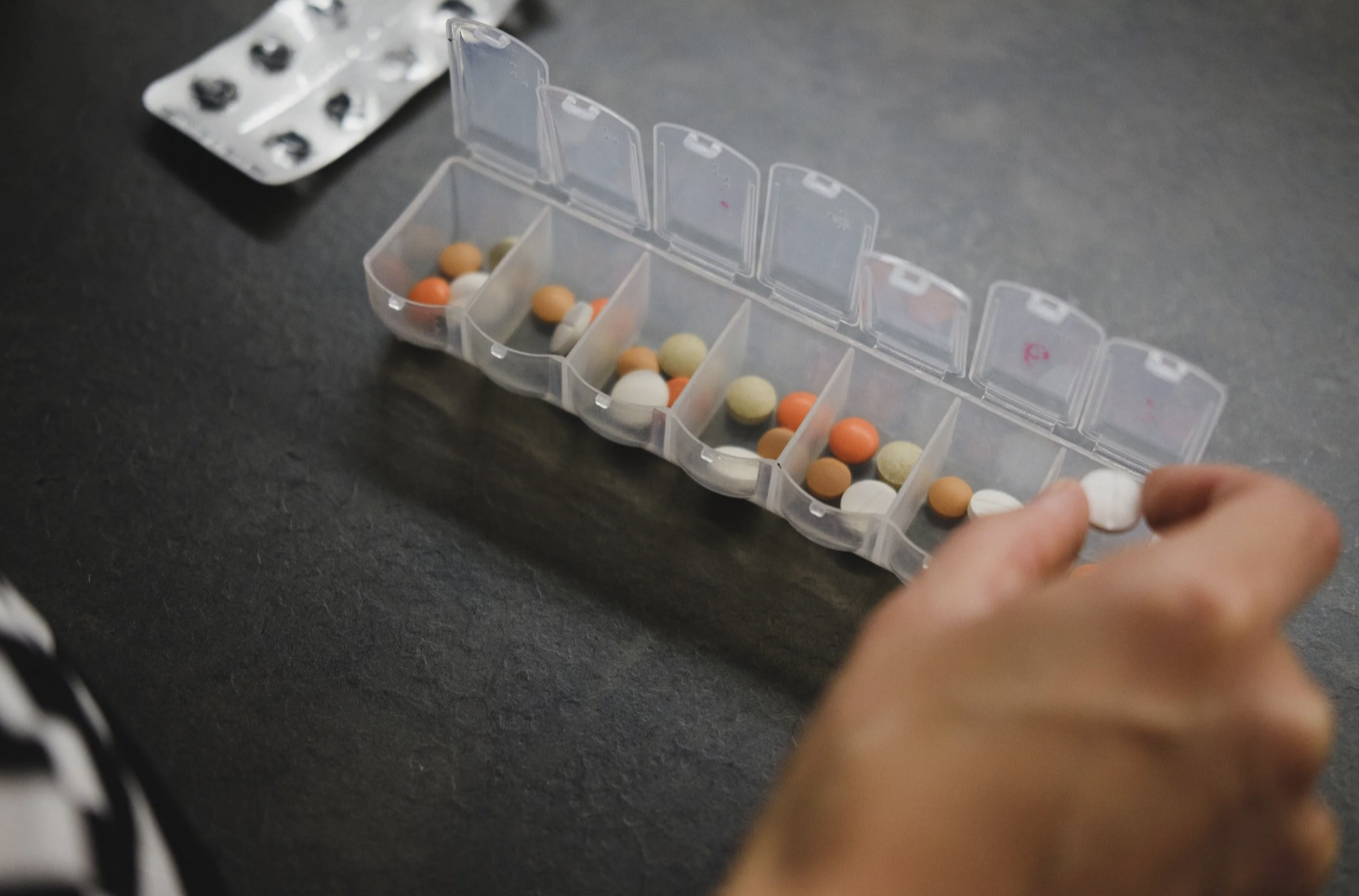
I’ve tried a mix of conventional and holistic medicines over the years to try to find what works for my Crohn’s disease. Chronic and autoimmune illnesses can often feel like a never-ending journey of trial and error. Sometimes, a diet or medication can work for a short period of time, and then you have to pivot to something new. Below is a list of some of the medications and methods I’ve tried to treat my IBD.
A quick disclaimer: The purpose of my writing about what I’ve tried is simply to share my experience. I am in no way suggesting that there are right and wrong ways of treating IBD. Different things work for different people.
Biologics:
Humira: This is probably the most common medication for IBD. I had talked to my gastroenterologist about going on Entyvio, but my health insurance forced me to go on Humira first. If I “failed” it, then I could try the biologic that I wanted. Humira is a shot that you or a nurse can do in either the thighs or belly. The first round is four shots, and the device looks like a pen, so you don’t see the needle. A nurse helped me with this, and it stung like hell. The pain didn’t last long, but it was very intense. I felt very itchy all over my body for the next few days and in very random places like between my toes and ears. I was able to then move on to Entyvio since I had a reaction. I have heard from nurses that there is now a version of Humira that is “sting-free.”
Entyvio: This biologic is an infusion that was about one hour long. I didn’t get any side effects from it, but after trying it for a year and not seeing any change, I had to have another conversation with my gastro about what to try next. Fatigue was one of my biggest symptoms while I was on this, and it made me feel a little more tired after the infusion.
Stelara: It’s a shot that’s in a typical syringe, but unlike Humira, it didn’t sting. I was never brave enough to do it myself, so I would go to the doctor’s office for a nurse to do it. It was quick and painless (for the most part). I didn’t feel tired after. In my opinion, seeing the needle makes it harder to be able to administer it yourself.
Remicade/Inflectra: This is my current medication. I was put on Remicade in 2019. It’s a pretty popular biologic and has been around longer than Entyvio and Stelara. This is an infusion that takes about two and a half hours, but it depends on your weight. I had to switch to Inflectra in 2021, which is a biosimilar to Remicade, because of insurance. I also had to go through a lot of blood tests to figure out if the dosage was enough to make a difference. I used to have an infusion once every three months and now it’s once a month.
Pills:
Prednisone: I have been put on this WAY too many times to count. It’s a hospital’s go-to medication every time I’ve been admitted. For me, it was like going through puberty again. I was moody and it altered my body, especially my face. When I was on a high dose, all I could think about was burgers, specifically the ones from Freddie’s. I’ve heard that it’s common to have side effects once you’re weaning off of it, but I didn’t experience that. The only positive part of being on prednisone for me was that it gave me an appetite, and I was able to gain some much-needed weight back. It’s a short-term solution ,and I honestly hope to never be on it again.
Budesonide: I was put on this steroid for a few months after Entyvio. This had no effect on me, so I wasn’t on it for very long.
Diets:
Specific carbohydrate diet: This is a grain-free diet that has low sugar and lactose and was created specifically for IBD. From what I remember, there are two phases, and after you complete the first one, you’re already supposed to see a difference in the number of bowel movements in a day. I’ve tried this twice and it wasn’t helpful at all.
Rainbow diet: It was all about eating more fruits and vegetables. I was at my sickest around this time and my body couldn’t withstand much fiber without causing pain, so I only tried it for a few weeks.
Gluten, dairy, and soy-free: This one probably affected me the most negatively. I love pasta and cheese with my whole heart, and it was very difficult to cut those out. Vegan cheese has a particular smell that made it very difficult for me to want to eat it. Having to be this restrictive with food was not only time-consuming and expensive, but also boring and frustrating. All I could think about while I was on this diet was all the food I wasn’t allowed to eat.
Holistic practices:
Colon hydrotherapy: I had this treatment done in college, and my only symptom at the time was bloating, but it was very severe. I would look several months pregnant. Colon hydrotherapy involves using water to flush out the large intestine. A tube was inserted into my butt so that water could flow through, and a medical professional would massage my stomach at the same time. I would have to go to the bathroom immediately after. I remember feeling much better, but I don’t think it helped with inflammation.
Vitamin C IV drip: This had no effect on me whatsoever.
Supplements: I’ve tried so many kinds from probiotics to powders, and I haven’t experienced any changes from them. I was taking these while I was really sick and going to the bathroom up to 20 times a day, so I wasn’t really absorbing anything I was ingesting. The only ones that I currently take that are suggested by my medical team are vitamin D and liquid iron. I’ve gotten very bad reactions from iron infusions.
This is not an exhaustive list, but it’s the majority of what I’ve tried. I will say that I’ve gotten to a point where I’m very cautious about holistic medicine. It has further complicated my relationship with food and my body. The practices also have less research than conventional medicine and aren’t regulated by the FDA.
I really try to focus on listening to my body, which has taken years to learn. To be honest, food doesn’t really seem to help or hurt me. I’ve learned that my symptoms work in cycles and that stress management is important. Stress seems to be the biggest factor when it comes to going in and out of flares.
When I was really sick, I was willing to try anything and everything under the sun to treat my IBD. I thought that remission not only meant that I would be symptom-free, but also free of medication, which is actually very rare. I’ve even gotten treatment in Colombia and Puerto Rico. While I’ve definitely been through trying to find what works for me, I am very fortunate to even have the option to try all of these things. Whether your IBD is mild or severe, I hope that you are gentle with yourself along the way.
Moon Face Throughout Childhood – How It’s Affected My Body Image
By Isabela Hernandez (Florida, U.S.A.)

Going on prednisone is a somewhat universal experience for IBD patients. Maybe not everyone, but a lot of us have cycled through steroids and experienced the “fun” symptoms it brings along with it. One of them being moon face. Moon face is when your face appears very swollen and round. For me, I’ve cycled through high dose prednisone many times, especially in my childhood and have a very familiar relationship with moon face.

This was the first year I experienced having moon face. I was 5 at the time; I remember this time in my life vividly, especially this picture. It was a school picture day, and I knew we would be taking a lot of photos. I still didn’t fully understand what was going on with my body and even thought having IBD constituted as normal, as it was the only life I’d ever known. But what I did know was that I didn’t look like how I once did, that person that my classmates knew me as.

To compare, this was me the year before. I knew the girl in this second picture. That was me. But I didn’t recognize the girl in the first picture and would look in the mirror as a 5-year-old girl, confused on who was staring back. At the time, I didn’t realize how this would affect me later growing up. My relationship with my body and how I viewed myself every morning when I looked in the mirror was slowly tainted.

This was my second time having moon face. I was 8. I was a little older and much more self-aware about how others viewed my appearance. I became shy, closed off, and scared that my cheeks would scare my friends or cause them to not even recognize me. I remember thinking I didn’t even care about feeling sick inside or having to go to the hospital; the only thing I ever wanted was to look like myself and look normal.

This was my third time having intense moon face in childhood. I was 10 here. This was the worst for me. I was growing into my body, but the body I was growing into felt foreign. This was the age that my thoughts began to center about how I looked and how others viewed my appearance. I felt like the person I was inside and the person I saw in the mirror were two different people, constantly disconnected. I grew into teen hood and young adulthood with the same thoughts always seeping in. The constant weight fluctuations as a child constantly made me second guess how I felt about myself. No matter what weight I was at, when I looked in the mirror, the little girl with chubby cheeks was always the one staring back. This body dysmorphia never let me feel content with my body. I was in a continuous fight with myself, and I was always losing. Over time, and as I matured more, I tried to combat this. It became routine for me to constantly remind myself that the struggles with my body were caused by something out of my control. It wasn’t my fault, and I can’t punish myself every day for something I didn’t do. What I can control is how I speak to myself when I look at my body. My relationship with my body isn’t perfect and I don’t think it ever will be. I now just view those photos as different versions of myself, versions that were strong and resilient to the pain that IBD can cause. I need to constantly remind myself that my body isn’t my worst enemy and to control my thoughts when I begin to believe that it is. It’s easy to hate on our bodies and hate what IBD has done to them, believe me, I do it all the time. But I must remember that even though my body is not perfect, it’s the vessel that keeps me alive, doing the best it can, and that’s ok with me.
This article is sponsored by Trellus
Trellus envisions a world where every person with a chronic condition has hope and thrives. Their mission is to elevate the quality and delivery of expert-driven personalized care for people with chronic conditions by fostering resilience, cultivating learning, and connecting all partners in care.
Dealing with Moon Face
By Natasha Kacharia (U.S.A.)
I never thought about myself as a superficial person. But if someone asked me about the worst part of living with ulcerative colitis, it would not be the hemorrhaging of blood, the vomit, the diarrhea, the stomach cramps, the sleepless nights, loss of muscle, or the joint pain.
It would be moonface. It would be the fat deposited on my cheeks and neck making my face appear round like the moon.
Whenever I enter a flare, my doctor prescribes me oral steroids called prednisone. Desperate for relief, I always agree and consume the prednisone without protest. A couple of the many unfortunate side effects of prednisone is weight gain and moonface. Thus, whenever I start on prednisone, I also make an effort to watch what I eat to help minimize the side effects. But it never works. And, everytime, in addition to having my clothes not fitting, my face abnormally expands, making my cheeks puffy and my pointy chin a double chin. I get moonface.
I learned to handle weight gain. I wear my classic XL Stanford Christmas sweatshirt in the winter and my oversized CS t-shirts in the summer. No, I never liked how my body looked on prednisone, but I could hide it. But how do I handle moonface? I cannot exactly cover up my face, even with a mask.
And, what my friends and family fail to understand is that it is one thing to hate your body - everyone hates their body to some extent - but to hate your face is an entirely different beast.
There is no escaping your face. Your face is what you stare at when you brush your teeth or you enter a zoom meeting. It is the first part of you that a person looks at when they meet you. Your face makes your first impression.
And moonface is not the first impression I want to make. I tell people that I used to be a nationally ranked roller skater, and they don't seem to believe me. I tell people about my past romances, and they don’t seem to believe me. To them, I look like a slightly overweight girl who fell victim to freshman fifteen, even the people who know about my ulcerative colitis do not entirely believe that my face is simply a side effect of a medication. It is not their fault. I have a hard time believing myself too. Flare me and remission me always feel like an entirely different person. A different entity.
Because the girl with moonface spends an hour long zoom meeting distracted by how puffy her cheeks are, she wears a mask everywhere - partially because she is high risk but mostly to cover up her face. She misses random guys flirting with her. She misses believing someone when they call her pretty. She misses how the world treats her because let’s face it; the world is easier to the pretty and skinny.
So, no, I never really thought about myself as superficial, but it is easier to dig deeper than the skin when you like the surface.
Featured photo by Erin Profaci from Pexels.
My Leadership Journey With IBD: Just Getting Started
By Dr. Fasika Teferra (Ethiopia)
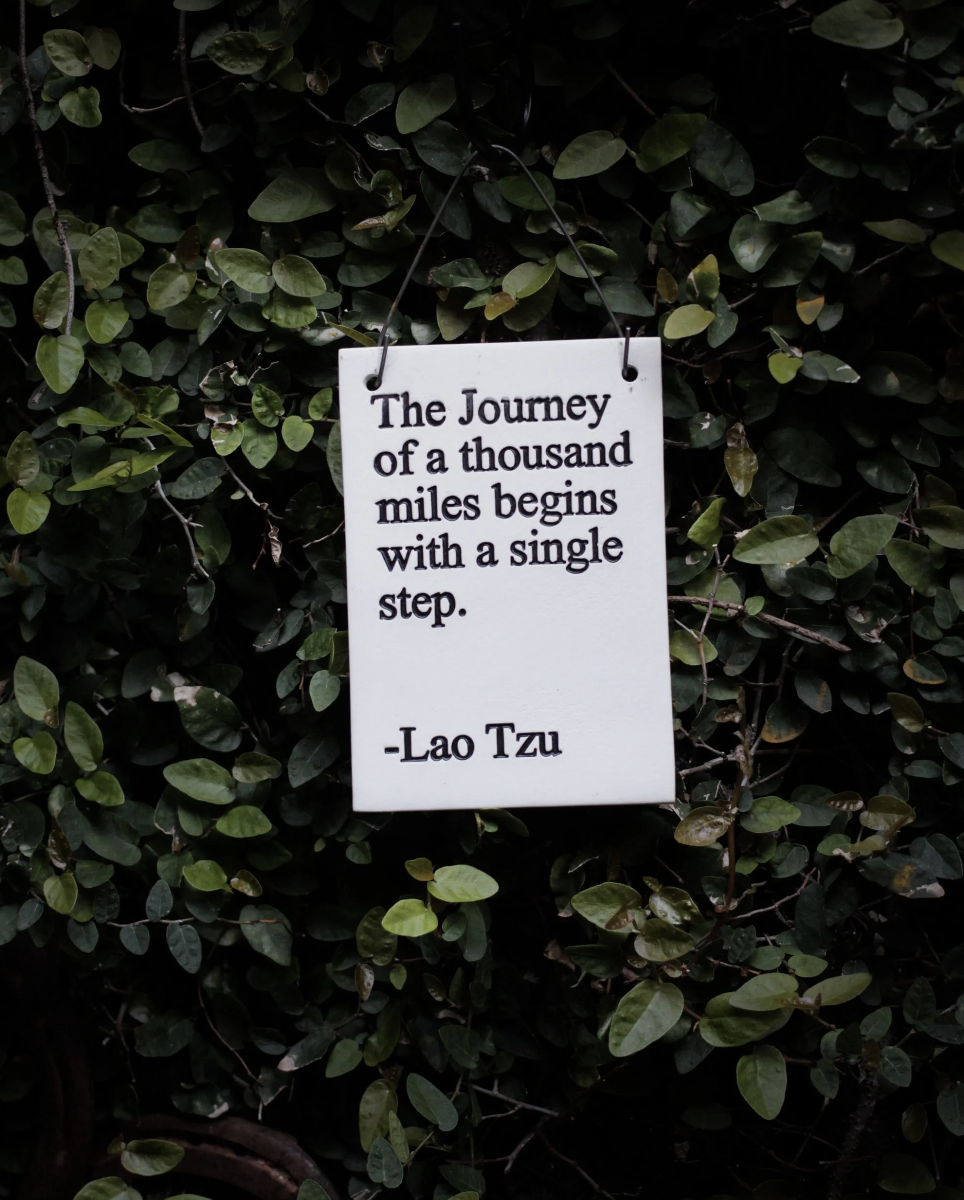

I realized I needed to bring about change, as I was also affected by it. I couldn’t standby anymore and dared to be different, a trailblazer.
The day I decided to take the big step and start something that was unknown set me up for all the things I would do in the next few years. In school and at home, I was always taught to follow a certain person or structure. That was the definition of success for most people I know, including myself. There was no room for creativity, no room for exploration. We don’t choose our universities or our majors unless we pay to go to a private college. It was the same in healthcare. Although I was equipped with the knowledge to comprehend what my doctor was saying to me, I didn’t ask any questions. I was focused on fitting in the structure that was put before me instead of doing something different. I remember the day I found out there were other Ethiopians living with IBD. I was so happy to know I was not alone, but at the same time felt more alone. I wondered why there was no one talking about this condition, educating the community, and debunking myths. As I looked deeper into the lack of community, I started to see the gaps in the system. There was no community program to teach more about the condition, and medications seemed to be scarce. I saw that lack of knowledge is not just among the general population, but also among doctors and policymakers. I realized I needed to bring about change, as I was also affected by it. I couldn’t standby anymore and dared to be different, a trailblazer.
Like I said, I was never a risk-taker. After my diagnosis, I lived in fear for the first few years. Looking back, I can almost say I was not living at all. The season where I started to think about what I can do to solve problems is where my personal growth began. I never learned it in school, and I had no one to look up to at the time. As time went by, I realized I started to see potential opportunities where others might see unsolvable problems. When I am faced with a problem, I know I could protest, take it to the media, demand change, or I could lead by example and show how it can be done differently.

My leadership journey began a year before I founded the nonprofit Crohn’s & Colitis Ethiopia. My motto had always been to think big, start small, and act now. I used the limited resources I had to create something amazing. I had been so appreciative of the limited resources available because it helped me become innovative and fixed on finding solutions. I will be sharing what my big ideas are, how small I started, and what actions I took to help me advance my mission. I am doing this in the hopes of helping someone else reading this wondering if they can dare to not just think, but start something as bold as I did.
Embracing the term "Disability"
By Natasha Kacharia (U.S.A.)

Last year, I was applying for an internship. I do not remember what internship but that is not the point. This internship, like most, had a voluntary self-identification of disability section that goes on to list what a disability may include: blindness, deafness, cancer, etc. However, this list was different because it included gastrointestinal disorders.
I know. I know. The lists of disabilities are usually prefaced with the phrase: disabilities may include but are not limited too. Yet, the fact that this internship specifically bulleted my condition put an unexplainable smile on my face.
You see, the voluntary self-identification of disability section always stressed me out. I never knew what box to check: yes, no, or I do not wish to disclose.

Screensot from the Voluntary Self-Identification of Disability form
The fortunate or unfortunate reality of living with a chronic illness is that people do not see the constant stomach cramps, the hemorrhaging of blood, the fatigue, the insomnia, the arthritis, or the nausea, and they definitely do not see the psychological effects of the disease. No, when people look at me, they see a healthy, possibly a little unfit, college student.
Thus, when the disability section inevitably comes on the application, I always wonder what box to check: yes, no, or I do not wish to disclose.
The same questions always run through my head: Does my condition qualify as a disability? Am I disabled?
Do you understand my indecisiveness now? When people think disability, I am not the person they imagine.
However, with a singular phrase – gastrointestinal disorders – the internship made me feel seen. Finally, I was free from my indecisiveness and the weights of my secret. For a singular moment, my invisible illness did not feel so invisible anymore.
Yet, I still had trouble identifying as disabled. Was I only disabled when I was in a flare, or can I always check the disability box? Do employers only ask for disability disclosure to engage in affirmative action for individuals with disabilities? If so, then do I have the right to check the disabled box, as having an invisible illness, I have not been actively discriminated on due to it. Meeting other people within the chronic illness community simply made me more confused; some readily embraced the term disability, while others sheered away from the term chronically ill. I met people whose illnesses were far more severe than mine and did not self-identify the term disabled, so what gave me the right? Was I being overdramatic? The fact that the people surrounded me did not recognize my struggles did not give me the space to embrace my own struggles.
But I am done. I am done with self-doubt. I may have an invisible illness, but I am done being invisible. I am ready to dance in the open, so for my next application, I am going to check yes. Yes, I have a disability.
Featured photo by Tara Winstead from Pexels.
Imposter Syndrome Being Healthy
By Isabela Hernandez (Florida, U.S.A.)

I was diagnosed with IBD when I was three, specifically with ulcerative colitis. When I look back at my life, there is not a time where I do not remember constantly living and dealing with my chronic illness. When I think about my childhood, the first thing I think of is being sick. Living with illness means we deal with an extra set of emotions and priorities that a lot of the world does not have to. Medicines, appointments, refills, procedures, and pain immediately flood my brain the minute I wake up in the morning. It is something we all deal with and try to integrate as best we can into our daily life.

Medicines, appointments, refills, procedures, and pain immediately flood my brain the minute I wake up in the morning.
As I grew up, in a strange and twisted way, I started to feel comfort being sick. Hospitals felt like home. Walking into doctor’s office felt more normal to me than walking into school. Over time, I felt this intense solace within being sick and for some reason, started to feel uncomfortable being healthy. Being sick was MY normal, so what was being healthy? Around the time I was 11 or 12, I was put on an experimental treatment that allowed me to stay in “remission” until I was 19. I put remission in quotes because it does not mean the disease is done and over. We still deal with medications, appointment, mild procedures, and mild symptoms. In these seven years where my disease had toned down, every day I woke up with this feeling that being somewhat healthy was wrong. I knew how to be sick. I was good at it. But, I had no idea how to deal with anything being in remission. I had a serious case of imposter syndrome these years and felt this extreme anxiety that in any moment, I was going to go back into my comfort zone of flaring, something I had endured for so long that it felt normal.

It is not fair that we spend so much more time in sickness than in health, that now sickness is our normal.
Not a lot of people mention that although flaring IS the worst part of having IBD, being in remission doesn’t mean life is instantly easy. It comes with a whole new set of fears and anxieties about how to go back to “normal” life. What is normal life for us when in remission? It is very confusing and something I still try to figure out on the daily. It is not fair that we spend so much more time in sickness than in health, that now sickness is our normal. It is our life. But what I have come to realize is that my sickness is NOT who I am. It has definitely shaped many parts of my personality and how I have become who I am now, but it is not the biggest and most defining part of who I am. I used to think that my IBD was who I am and that is it. It is definitely not, and we are just the people that our sickness has shaped us to be. I know that every day is a struggle, in remission or in a flare. I recognize that and actively try to remind myself that even though I feel comfort being sick, it is NOT normal. It just makes us all stronger.
This article is sponsored by Trellus
Trellus envisions a world where every person with a chronic condition has hope and thrives. Their mission is to elevate the quality and delivery of expert-driven personalized care for people with chronic conditions by fostering resilience, cultivating learning, and connecting all partners in care.