
Personal Stories

Fighting, Grieving, and Enduring Entropy

By Zahraa Chorghay, Montréal

Trigger warning: mental health, death

.

.

.

In a universe of entropy, living with a chronic illness has meant surrendering control and expectations of stability to give myself the gift of being more flexible and adaptable, and thus, more resilient. This transition isn’t an easy process, particularly for someone like me: an elder daughter of the diaspora fed on a steady diet of validation for professional accomplishments. Unlearning harmful ableist notions of success and well-being has been a challenging journey spanning years — and one that is and will be ongoing throughout my lifespan.

Crafting this last official piece of content as a fellow for this Young Adults Network for people with IBD (inflammatory bowel disease), I am moved to reflect on my transitions, particularly over this past year as a CCYAN Fellow. When I applied to the CCYAN fellowship a little over a year ago, I knew what I was looking for: a space to connect with others like me, and a platform to advocate about IBD. My tenure with CCYAN certainly fulfilled both of the needs, and more. I engaged with IBD research, attended meetings in the broader health policy and scientific community, facilitated peer support meetings, and became part of a community I hope to continue with for many more years. But the joy and learning from being in the CCYAN community was just a fraction of life. 

In reality, 2024 was a year of great turmoil. Geopolitically, yes, and also, personally.

The beginning of my year was marked with illness. By February, after an incredibly fun winter chalet weekend with some of my closest friends, I found myself in the emergency room of a hospital. Diagnosis: severe anemia. Solution: a blood transfusion. (You can read more about that here.)

The following week, I was slated to fly to California for an interview, so I did. That went well enough that a couple of months later, I left my stable corporate job and packed my bags for a permanent move across the continent. After my PhD, I had taken a protracted hiatus from my passion, neuroscience, so I was thrilled to be returning as a postdoctoral associate (“postdoc”) in a brand new lab in the Golden state. 

The move was tough. Moving to a new country means starting from scratch. Logistically, I had to get all my documents in order, deal with banks, find housing with no credit history, and navigate an entirely different healthcare system. Socially, I had to make friends and deal with the profound sense of missing everyone back home. (You can read more about that here.) But I was there to advance my career, and I obstinately held on to that goal. I had to learn many new things, and under a completely different management style than I had previously encountered. So I dove into the scientific literature, asked for help from my supervisor and colleagues, and practiced my techniques. Everytime something went wrong, I came back to the lab, working even longer and harder to make sure I could improve. I would stay late often enough that one of my favourite colleagues became the night-shift janitorial staff member. (She would often pass by me and say, “Keep working hard, girl!”)

Despite my resolve, I struggled. I wasn’t ready to give up, but the combination of suboptimal conditions affected me deeply. I’d return to my sparsely-furnished apartment at the end of each day too exhausted to do anything but eat a quick dinner and lie down, while having that sinking feeling that I had nonetheless missed the mark at work. I was living in a beautiful city with perfect weather and the vast ocean in the peak of summer, but I scarcely had the energy or capacity to enjoy it. My appetite, sleep, and energy levels were all affected, and I knew my stress could cascade into a Crohn’s flare before I knew it. I was taking everything I had unlearned about ableism and notions of success, and learned about IBD, work-life balance, and myself over the last decade, and tossing it out the window.

And as a result, I was drowning. The more I struggled to keep swimming, the more salty water I was intaking. The only times I came up for air were when visitors from home flew to California to spend time with me, showing me glimpses of the person I once was and could be.

Then, I received a text from my father. Inna lillahi wa inna ilayhi raji'un (To God we belong and to Him we return) — a prayer for the deceased. Unable to believe the words that followed, I called him immediately. 

Baji Ammi had passed away.

In English, Baji Ammi translates to Sister Mother, and that is perhaps a better description than the vague, distant, and altogether inadequate word, “aunt,” that the language would otherwise designate. Her death was sudden, as she had been an otherwise active woman in her early sixties. Her death was devastating, as she was the kind of person who gave unconditional love to whomever was so fortunate as to be in her orbit. 

Everything blurred together in the hours and days after this news. Grief became giant convection currents rippling through the mantle, forever shifting the tectonic plates of my life: I was forced to face myself. Ultimately, I quit my postdoc and returned home to Canada. Now, I am trying to figure out what comes next, while dealing with logistics and processing grief.

A year ago, I couldn’t have imagined that I would move across the continent only to move back, or that I’d pursue a postdoc only to leave it within a few months, or that I would never see my kind, beautiful, witty Baji Ammi ever again. And despite the overwhelming grief of dreams and of life extinguishing, I have also been incredibly fortunate (aA) to have unwavering love and support to move through this grief. I’m glad I also had CCYAN throughout this tumultuous year, getting and giving support to our incredible community. 

In a universe of entropy, of constant turmoil and loss, I suppose life endures.
My Journey of Advocacy as an IBD Patient in Africa: A Medical Student's Perspective

By Yeabsira Taye Gurmu, Addis Ababa, Ethiopia

As an IBD patient living in Africa and a medical student preparing to become a doctor, I have come to deeply appreciate the importance of advocacy. Living with a chronic illness can often feel isolating, especially in a context where awareness about conditions like IBD is still developing. Through my own journey, I’ve realized that advocacy is not just about raising awareness; it’s about creating a sense of community and support that can make a significant difference in the lives of those affected by IBD. However, I’ve also learned that it’s crucial to balance this advocacy with my need for personal peace and maintaining my boundaries.

In my efforts to advocate for IBD awareness, I’ve found that it’s essential to be selective about what I share. While my experiences can help others understand the challenges of living with IBD, I’ve recognized that I don’t have to disclose every detail of my journey. Setting clear personal boundaries allows me to engage in advocacy without compromising my emotional well-being. For example, I choose to focus on the broader message of understanding IBD rather than delving into the more painful aspects of my experience. This approach not only protects my mental health but also helps me stay purposeful and impactful in my advocacy work.

I’ve also learned the importance of self-care while engaging in advocacy. It’s vital for me to participate in discussions and support groups at a pace that feels comfortable. Sometimes, this means stepping back and taking time for myself to recharge. I’ve found that when I prioritize my well-being, I can engage more authentically and passionately in my efforts to raise awareness for IBD. Encouraging others to find their own balance has become a priority for me, as advocacy is most effective when it aligns with our personal values and comfort levels.

By sharing my experiences thoughtfully and prioritizing my well-being, I can contribute meaningfully to the conversation around IBD without losing sight of my own needs. As I continue my medical training, I aspire to inspire my peers to embrace the significance of patient-centered advocacy. Each voice is important, and together we can foster a supportive environment that not only raises awareness but also honors the individual experiences of those living with chronic illnesses like IBD.

Featured photo by Steve Johnson on Unsplash.

The Never-Ending Cycle of IBD

By Selan Lee from the United Kingdom

Many things in life are cyclical: the seasons, fashion trends, and the moon’s phases. The one thing we all hope isn’t cyclical is illness. Who wants a never-ending cycle of health and disease? But for those who are chronically ill, it is an unfortunate truth that I previously thought I had accepted - until three months ago.

Three months ago, the symptoms that had started it all returned: frequent diarrhoea, bloating, gas and nausea. In retrospect, stress seems to be a determining factor in my cycle of Crohn’s. My first flare was during the final months of my A-levels - a set of exams that would determine my future according to my 18-year-old self. My second and current flare began two weeks before my graduation and coincided with the final interview for a job I desperately wanted to pass. Unfortunately, the consequences of the stress-inducing circumstances were also cyclical. I severely underperformed in my exams and panic-attacked my way to a re-sit the following year. I didn’t pass the interview and was faced with ending university without a stable job to move on to. Healthwise, like the first flare, I was admitted to the hospital soon after graduation.

Maybe because I had experienced five years of relative good health since my diagnosis, I thought I had accepted the chronic nature of Crohn’s. Despite becoming resistant to a few biologics - I went to university, sourced and worked in a consultancy for my placement year, attended my first concert, joined a panel for young adults with IBD and was able to socialise with friends and family without much concern. My brief period of normalcy had blinded me to the fact I hadn’t really accepted the cyclical nature of my condition, and to be honest, no one with IBD or a chronic illness does.

I remember when someone asked during a panel how people with IBD cope, and the members and I all said hope helped us to cope. Naively, I equated coping with accepting. That’s far from the truth. I can cope with my biologic no longer working as there will be another one. I can cope with waiting for the night shift doctor to prescribe paracetamol for my abdominal pain. I can cope with forgoing foods and situations that will worsen my IBD. But I can’t accept that this will happen again. Understanding and coping are one thing, and acceptance is another.

How can I accept that I will progress through life feeling alone because of my IBD? Like I am sitting on an ice floe floating past all of life’s possibilities. Maybe it is pessimism talking, but living with IBD can be akin to the myth of Sisyphus. Many of us will spend our lives pushing the boulder of IBD to remission - with some, like me, falling back to flare. But maybe, in the words of Albert Camus, I will achieve happiness in this absurd repetition and be satisfied regardless of the outcome. Then again, Captain Raymond Holt says, “Any French philosophy post-Rousseau is essentially a magazine.” [1] - so I will wallow in my pessimism for a while. I might be able to see the brighter perspective of Camus and Terry Jeffords once my new meds prove to be successful.

References

  1. “Brooklyn Nine-Nine” Trying (TV Episode 2020) - IMDB. (n.d.). IMDb. https://www.imdb.com/title/tt10322288/characters/nm0187719

Featured photo by Frank Cone from Pexels.

The Art of Living in the Moment: A Personal Reflection on Life with Crohn's Disease

By Yeabsira Taye Gurmu, Addis Ababa, Ethiopia

Living with Crohn's disease has been a journey filled with ups and downs, but one of the most valuable lessons I’ve learned is the art of living in the moment. Early on, I was consumed by worries about my symptoms and the unpredictability of my condition. I often found myself dreading social events, fearing a flare-up would ruin my plans.

In the midst of pain or fatigue, I remind myself to pause and focus on the here and now. Simple practices like deep breathing or taking a mindful walk in nature help ground me, allowing me to appreciate the beauty around me. Each moment—whether it’s a warm cup of coffee, a shared laugh with a friend— becomes an opportunity to connect with life, rather than merely endure it.

Flexibility is key. Plans may change, but spontaneity can lead to unexpected joy. Embracing these moments, whether it’s a last-minute outing or simply enjoying a quiet afternoon, reminds me that life is happening now, not just in the future I fear.

Building supportive relationships has been essential. Sharing my journey with understanding friends and connecting with others who have IBD fosters a sense of belonging and comfort. These connections remind me that I’m not alone and that it’s okay to lean on others when I need support.

Ultimately, living in the moment while navigating IBD is about finding peace amid uncertainty. It’s about celebrating small victories, practicing gratitude, and recognizing that even in the struggle, there is beauty to be found. Each day is a new opportunity to live fully, savoring the present despite the challenges that come with chronic illness.

Featured photo Sergey Guk from Pexels.

Why Finding Your People Matters

By Maria Rouse, N.C., USA

It took me nearly 15 years to begin finding community as someone with inflammatory bowel disease. It was a very lonely 15 years. 

I try not to be so hard on myself, since I was first diagnosed with IBD when I was 10. There is not much in the way of accessible peer support for youth with IBD, especially at that young of an age. It was not an option I ever realized could be possible through my health system, and social media as a platform for peer support was just beginning at that time.  

My inability to find community led to a false perception of singular failure. I was the only person my age that I knew with IBD, and consequently internalized ableism spread malignantly within my mind and began marring my conception of myself. 

With the stigma associated with IBD, it is also not something you typically share about yourself with other kids on the playground, or even when you’re getting to know people during orientation at college. I have met several friends that I only much later learned had IBD. 

Ableism is a key motivating force in keeping us silent from sharing our stories and lived experience with others. Ableism is part and parcel of patriarchy, colonialism, racism, sexism, or most of the negative isms that still permeate society. It encourages us to remain alone in our journeys as chronically ill people. 

In a system that often tries to force us to act individualistically and hide our unique qualities for the sake of its imposed and exalted definition of success, building disability community is a light in the darkness. It is in itself an act of resistance and radical vulnerability in a society aims to police abnormality and difference. This can make us believe that our challenges and needs are uniquely too much, when nothing could be further from the truth.  Community reminds us of our humanity as chronically ill people. 

In any setting, making new connections and friends can be terrifying, particularly if you have felt so alone and different all your life as a person with a chronic illness. It can feel especially vulnerable to join a support group discussing such sensitive topics as disordered eating and body image with a whole new groups of people. But forming community through a group such as CCYAN is so worth any initial awkwardness or difficult topics. 

The reality is that peer support is not just about you, although it often is cathartic and restorative to know we are not alone and to learn how others managed the difficulties that IBD created in their lives. Peer support is also an act of advocacy, allowing disabled and/or chronically people to take up space when so often our voices are not heard. Building community is an act of advocacy for yourself and also others who may still face barriers in sharing their experiences. 

In short, don’t wait years to engage with peers who have IBD. Make time for that peer support group meeting, attend that advocacy event, or connect with peers over Instagram. There are typically more obstacles for chronically ill people to engage with peers, whether that is being immunocompromised or having limited spoons or energy. However, engaging with other IBDers in whatever format is accessible to you is well worth the effort. Life is truly all about connections, and the ones you make with those who have very similar experiences as you can be some of the strongest bonds you will experience. You never know what can come out of it, and how the world could be changed for the better. 

Featured photo by Darrel Und from Pexels.

Cathartic Crohn's: A Patient’s Reflection on Stickman - The Vicissitudes of Crohn's by Artist Spooky Pooka

By Peter Park, TX, USA

The experience of extreme abdominal pain that feels, quite literally, gut-wrenching and it comes the debate in my head: Should I go to the hospital or not? In peristaltic waves, I wonder “Can I just bear thru it? I really dont want to go to the hospital.” It’s not just a hospital stay. It’s taking time off work. It’s bothering family to transport and take care of me at 26 years old. It’s wondering when I’ll ever be normal again. These thoughts and feelings are no stranger to me when I experience an abdominal flare, and I am sure it may sound familiar to you as well. Perhaps artistic expression can capture some of the emotions and thoughts we experience in our time of distress. 

Spooky Pooka is a professional illustrator and artist from Brighton, England and a Crohn’s patient and captures his view of Crohn’s disease through this piece. I encourage you to read through his poems and artistic pieces. Of his amazing work, I want to highlight a few pieces that stood out to me:

From the section, Quod Me Nutrit Me Destruit “What Nourishes Me Also Destroys Me”

“A blind conspiracy of T-cells

A dissonance within, a mute fluttering

The dolorous baying of ravenous entrails

The moxi drawn from reticulated limbs

And the world shudders down under black wings

To void all memory

To disgorge all resonance

To vomit all in exegesis of viscera”

Without having spoken to the artist myself, I will not attempt to predict what he was thinking. So, I will speak to share why I found this so fascinating as a medical student who suffers from Crohn’s Disease. The “blind conspiracy of T-cells” is exactly how autoimmune disease behaves. In normal function, T-cells use markers on cells to identify what’s our body marker vs a foreign body marker (which has to be eliminated). In autoimmune disease, that self body marker can be confused with a foreign body marker and cause T-cells to attack normal healthy tissue. In IBD, this happens within the GI tract. A “blind conspiracy” leads me to believe that T-cells act on their own accord, led by misleading signals, and hypervigilant to any suspicious activity. 

Words like “dissonance within”, “to void all memory”, “disgorge all resonance”, “vomit all in exegesis of viscera” describes a state of body that is so critical of itself, ready to eliminate any imperfection or any disconnection from the true self that it destroys the entire body. It reads as if the T-cell is a delirious warrior who once was a hero of sorts in his right. But now, this T-cell warrior has lost his way, driven mad by his rage, and killing his own people in frenzy. 

The piece captures the human skeleton with a deer skull and antlers kneeling while holding its belly as old weeds spill out. The background shows perhaps floating T-cells with human eyes. It captures the visceral pain of an abdominal flare - a posture I personify with too easily. It also captures the despair against the T-cells in their march for self-destruction. It seems nothing can escape itself. 

Despite this grave depiction, Spooky Pooka ends the graphic series with a final poem that implies a sense of hope. In the section Dolor Hic Tibi Proderit Olim “Some Day This Pain will be Useful to You”, it is the ending lines I reread over again.

The tree’s womb may regurgitate old souls

If only for one moment…

It may grow flesh like life

I’m not sure what it means. I’m not sure why it fascinates me. Perhaps I am desperate to find meaning and purpose behind my suffering. That my abdominal pain will somehow manifest as strength in my nearly malnourished body. Or that my constant fatigue and uncontrolled bathroom breaks is somehow a sign of strength. During my hospitalizations, when I was most alone, I would think that “maybe suffering is just pointless suffering.” 

But this poem and the picture behind it gives me hope. Like branches of a tree, my suffering can extend out and reach out towards others. To grow from untreated soil and serve others who will walk the same path. A hand to hold in suffering together. 

Featured photo by Soonam Wooeser from Pexels.

Stickman - The Vicissitudes of crohn's

Check out the inspiration for this post on Spooky Pooka’s website.

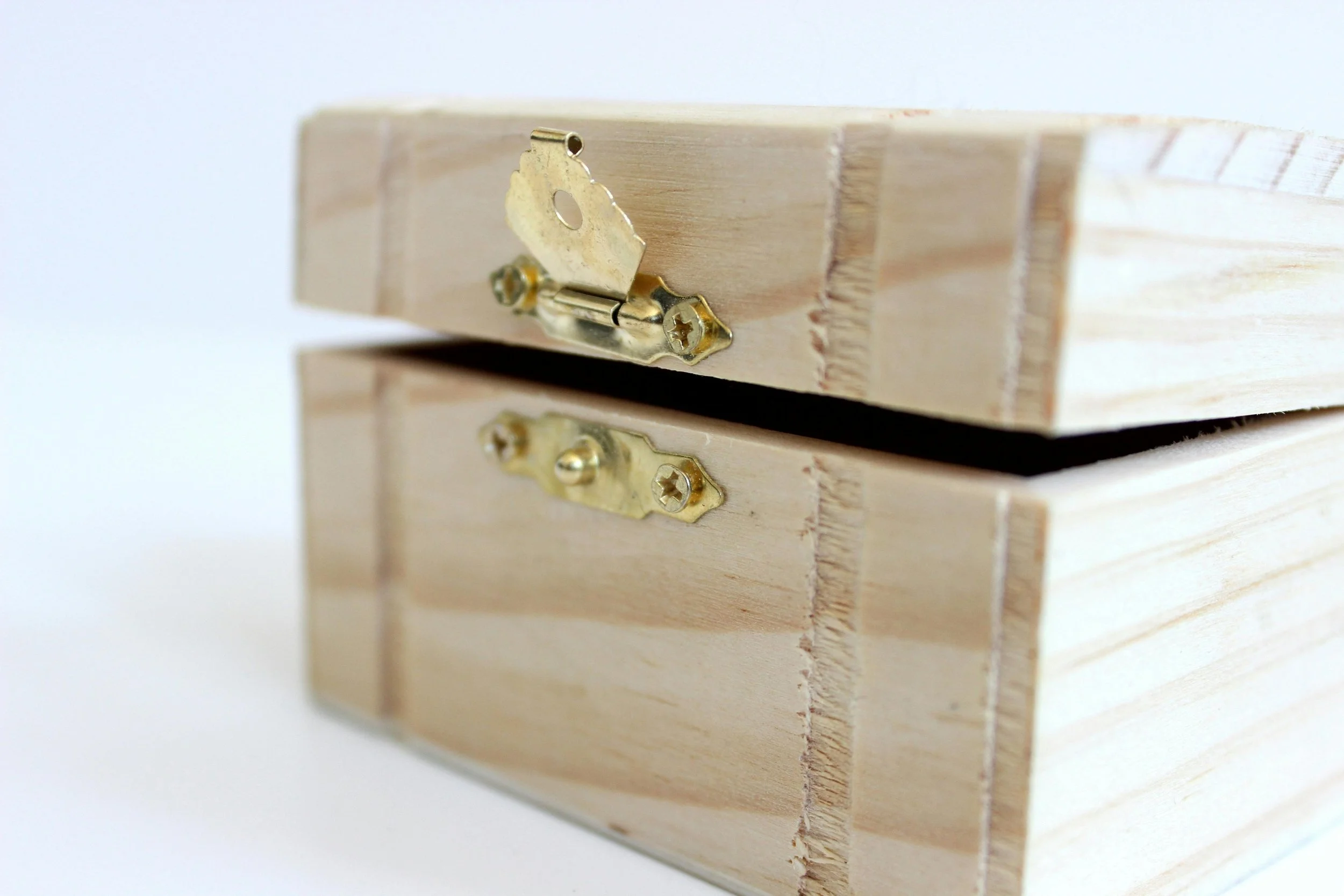
We are all pandoras, each with our own boxes - but we all have hope.

By Selan Lee from the United Kingdom

Suppose you live in the UK and have any interest in inflammatory bowel disease (IBD). In that case, you will likely have recently seen news articles in which researchers from University College London, Imperial College and the Francis Crick Institute announced they had found a section of DNA present in 95% of people with IBD, which causes an excessive immune response and consequently inflammation.[1] This news has been greatly welcomed by many in the IBD community here - myself included. However, the feelings the announcement generated are weirdly reminiscent of a conversation I recently shared with others with IBD.

Last month, I met with members of the Young Adult Advisory Panel - a fantastic group committed to helping Crohn’s and Colitis UK meet the needs of the IBD young adult population. As we walked to the social venue, the conversation led to how we each coped with the often tumultuous nature of IBD. It soon became clear that the common thread for all of our coping methods was hope. Some hope for research breakthroughs. Others hope for a reduction in flare symptoms, and a few hope for a good blood test result. 

Living with a chronic illness can quickly diminish hope for many and unfortunately lead to poor mental health. Research suggests that around a third of individuals diagnosed with a life-changing chronic illness will experience symptoms of depression.[2] But, as so many of us with IBD will tell you - hope is never truly extinguished. 

Over the years, hope has taken on several names—the indomitable human spirit, desperation, or perseverance—but it has never disappeared from the human consciousness. Unfortunately, IBD and chronic illnesses have also been present in humans’ lives for an equally long time. But instead of looking at this longstanding relationship as parasitical, I rather see it akin to the prevalence of the myth of Pandora’s box throughout history.

We all know of Pandora’s box, a myth that warns of unchecked curiosity and disobedience when Pandora unleashes evil into the world when she opens a box left in her care by the Gods. Despite all the horrors she releases, hope remains and enters the world, providing humans with the resilience necessary to live in a world filled with such evils. This story has been used for many reasons: to curb curiosity and provide hope. We’ve all faced bleak circumstances where we have relied on hope to see us through.

Life with IBD is no different. We have all faced negativity in some form with IBD - whether that be a medication failing to work, health professionals denying you agency or being limited in your capacity to spend time with friends and loved ones. But like Pandora, we know that there is hope, and with that hope, in the words of Martina Sazunic, we use that hope to “build a ladder” and make the best of our respective situations to reach what we are hoping for. Thus, we are all Pandora.

We all are Pandoras, each with our own boxes, living with the negativity wrought by these boxes—but we all also have hope. So, while that breakthrough in research might, in some eyes, look like a minor step forward in the ambiguity of IBD - it is also a reminder that hope is what empowers us to continue advocating for better lives with IBD. So, from one Pandora to another, hope is in your box - don’t forget that.

References

  1. Gallagher, J. (2024, June 5). Major cause of inflammatory bowel disease found. BBC News. https://www.bbc.co.uk/news/articles/c1wwdd6v2wjo#:~:text=A%20major%20cause%20of%20inflammatory,excessive%20inflammation%20in%20the%20bowels.

  2. Professional, C. C. M. (n.d.). Chronic illness and depression. Cleveland Clinic. https://my.clevelandclinic.org/health/articles/9288-chronic-illness-and-depression

Featured Photo by Pixabay from Pexels.

Going From 0 to 100: The IBD Rollercoaster

By Maria Mutka, N.C., USA

I was planning on writing this article about the meaning of IBD community support in my life. But as all IBDers and folks with chronic illnesses know, sometimes the best laid plans have to change based on how you're feeling. 

I recently had a wakeup call from my complacency during the longest remission of my life. My biologic medication has done such wonders for not only my daily quality of life, but the impact of my ulcerative colitis on my body. I will never forget my doctor's amazement at my last colonoscopy a couple years ago when they were unable to identify any active disease. 

When they said they could no longer see any ulcers, I was on cloud nine. Apparently, hundreds of ulcers that had taken root in my digestive system had vanished. A true miracle drug. Since I started my biologic medication a few years ago, I have had occasional hiccups, but my symptoms were 95% reduced from what they had been. 

Due to a switch in my modality of medication, from an infusion to an injection pen, I have had some delays in receiving the medicine, largely due to a lengthy prior authorization process (nothing new for many IBDers and folks with other chronic illnesses). Because of this delay in getting my treatment, I started experiencing my old pattern of symptoms, seemingly back with a vengeance.

Nausea, near vomiting, extreme cramping, frequently going to the bathroom - the works. Maybe it was just because I haven't had these symptoms in a while, but I truly felt the worst I have felt in a couple years - at my lowest of lows health-wise. 

This was undoubtedly compounded by my recognition of the precarity of my health, the delicate balance that my health rests on daily in managing my IBD that I had neither realized nor accepted. Just by going a week without my medication, slightly spicy foods that I have come to enjoy on occasion since my remission knocked me for a loop. Having these symptoms after being only seven days overdue for my medication put me in disbelief - how could my ulcers and inflammation be all gone, as my doctors had told me? My ulcerative colitis seems to have been barely there, perhaps hiding underneath the surface, waiting for one slip up or mistake in receiving my medication to rear its ugly head.

Now I can fully acknowledge that experiencing some of these symptoms for a little while is not much in comparison with what I've experienced in the past, or what others often go through. I am extremely grateful to have access to the medication I need to maintain my health and quality of life. But I cannot again take for granted how close I can be at any given moment to another flare. Even when I have been doing extremely well for several years on a medication that clearly is highly effective for me. 

These moments are important reminders of the truly unpredictable and chronic nature of the disease, and how, even when you are doing everything you can to maintain your health, it's ultimately not always up to you. It is, however, a lot easier to deal with emotionally if you take the journey one step at a time and prepare yourself to experience the one thing that IBD can predictably be: unpredictable.

Featured photo by Digital Buggu from Pexels.

Confronting Crohn's Disease as a Young African Woman: Challenges and Opportunities

By Yeabsira Taye Gurmu, Addis Ababa, Ethiopia 

My journey with inflammatory bowel disease (IBD) began in my late teens,  when I started experiencing debilitating abdominal pain, diarrhea, and  unexplained weight loss. At first, I tried to dismiss the symptoms,  attributing them to a common stomach bug or something I had eaten. But  as the weeks turned into months, I knew this was something much more  serious.  

Navigating the Health care system  

Getting an accurate diagnosis was perhaps the biggest hurdle I faced. In Ethiopia, access to specialized gastroenterology care and diagnostic tests like colonoscopies is extremely limited, especially outside of the major cities. It was difficult and time consuming to obtain an accurate diagnosis of Crohn's disease, even then. Diagnostic tests like colonoscopies and endoscopies were difficult to come by; there was a long waiting list. During this time, my health only continued to decline, leaving me in constant pain and with debilitating fatigue. Watching my body deteriorate as doctors struggled to diagnose the problem, I recall feeling powerless, ”It was an extremely frustrating and isolating experience."  

Grappling with Limited Treatment Options  

Once I finally received the Crohn's disease diagnosis, I then had to confront  the daunting challenge of finding effective treatments. The older medications, such as steroids were relatively accessible, but the newer biologic therapies recommended by my gastroenterologist were simply unavailable at the time and are presently financially out of reach. 

Confronting Cultural Stigma  

On top of the medical challenges, I also had to confront the cultural stigma surrounding my condition within my community. Some traditional medicinal practices view digestive disorders as a result of spiritual  imbalances or curses, rather than a legitimate medical issue. There were times when I felt a great sense of shame and isolation. The fear of judgment and discrimination made me avoid social gatherings and hesitant to share my diagnosis. This only compounded the mental and emotional toll of living with a chronic, often-misunderstood condition.

Finding Strength in Community : A Hopeful Future  

Despite the daunting obstacles, I refused to give up. I sought out support from local patient advocacy groups, Crohn’s and Colitis Ethiopia. Where I connected with others facing similar struggles. Together, we are working to raise awareness about IBD and lobby for improved access to essential medications and specialized care. 

Today, while my Crohn's disease remains a constant challenge, I am better equipped to manage my condition and live a fuller life. I continue to share my story, in the hopes of breaking down the stigma surrounding IBD in African communities and inspiring others to persist in their own battles. My journey with Crohn's has been arduous, but it has also made me resilient,  empathetic, and determined to create positive change, I reflect. "I may not be able to control this disease, but I can control how I respond to it - and that gives me strength to keep fighting."

Featured photo by Abuti Engidashet from Pexels

Humour - The Best Defense Against the Realities of Chronic Illness

By Selan Lee from the United Kingdom

In the words of Chandler Bing, “I started using humour as a defence mechanism” - though for me, it is not a consequence of my parents splitting up (just to reassure you, they’re still happily married), but rather a result of my chronic illness.

While there have been difficult moments in my life before and after my Crohn’s diagnosis, I’ve noticed that one of the most significant ways I have coped and helped my loved ones cope with the negativity IBD often brings - is with humour. More often than not, I’m somehow making a joke about poo, the absurdity of hospital scheduling or the horrific taste of Fortisip nutrition shakes. But I had also used humour to make light of bleak health outcomes - for example, when the second of my biologics stopped working, or surgeons tried to push for a stoma just before exams. 

As a Psychology undergraduate, I know this technique is a classic example of an emotion-focused coping mechanism in which I utilise humour to manage the stressful emotions that IBD bring. However, I know as a thinking and feeling human being, if I don’t use humour, it is very easy to fall into the grips of the stress and negativity of chronic illness[1] - and similarly for those caring for us[2]. So, I would like to share some moments where I’ve found humour in my experience with chronic illness, and I hope you will find some, too, in your chronic illness journey.

#1 When you're using the same medication as a lady in her 80s -

Any biologic prescribed to someone with IBD has a high probability of also being prescribed to an elderly individual with arthritis. Given that IBD and arthritis are both inflammatory diseases, just attacking different body parts, it makes sense a twenty-something with Crohn’s will be given the same as arthritic Ethel in her 80s. Thus, I find it infinitely hilarious when I walk into the medical day unit and watch as two or three seniors stare at me in curiosity. I’ve seen many an old bitty’s eyes go wide when they hear that I was born in the year 2000. Confusion when the scales reveal I’m on the heavier side and not outwardly weak or frail. But the best bit of this situation, which still makes me chuckle to this day, is what rarely happens at the end of an infusion. 

Once an infusion is complete, the IV is removed, and a cotton ball is placed on the site to prevent bleeding. Usually, slight pressure and a little bit of time are enough for a clot to be formed and any chance of bleeding out in a medical bay to be reduced to virtually zero. However, on one rare occasion, not enough was applied, and as I got up to gather my things - I felt a warm sensation over the back of my hand. Looking down, I noticed a few drops of blood on the back of my phone case and some staining on the denim of my jeans. Turning to look at my hand, I realised the warm sensation was not my hand warming up after the cold IV stream - but blood oozing out from the infusion site. My hand looked like a Halloween decoration. Perhaps as a result of my lack of aversion to blood or my fatigue, I quietly and calmly asked the nurse for help. What I didn’t realise until I stood there waiting as the nurses scrambled to get the gauze or alcohol wipes was that arthritic Ethel had witnessed a young whippersnapper with a bleeding hand look at said bleeding hand with no fear and simply say, “Excuse me” as I pointed with my non-bleeding hand to the bloodbath - like a complete psychopath. I saw a look of horror and fear of myself, not the blood, in her eyes, and it still makes me laugh to know that she probably told everyone she knew about the psychopathic twenty-something she met in the medical day unit.

#2 A little too familiar with the Bristol Stool Scale -

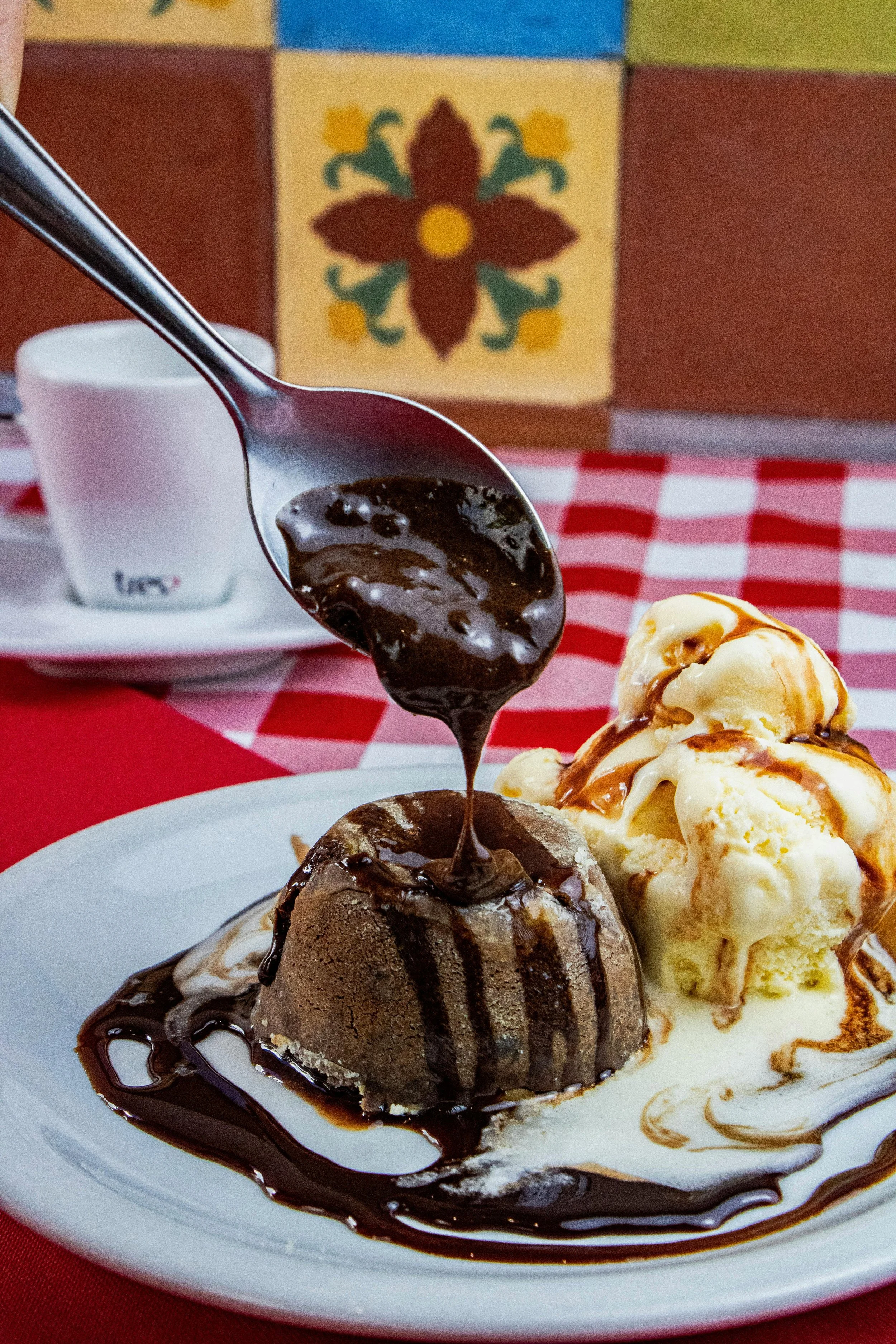
It is a right of passage to be introduced to the Bristol Stool Scale following a diagnosis of IBD, with 1 being akin to rabbit droppings and 7 to swamp water. My mum quickly started using numbers to check my condition after this introduction. In the early days of a flare, I would be asked, “Number 4, 5 or 6?” as soon as I left the bathroom. However, it also became a way for us to assess unappetising food: a dodgy-looking shepherd’s pie, a 5. A little too watery chocolate lava cake, a 7. It didn’t take too long for us to realise that this scale may not be as appetising to overhear at the dinner table as it was funny for us to quip.

#3 The best way to enjoy a Pepsi is without the fizz -

You develop a strange relationship with food when you have IBD, and for me, during a flare or in the few weeks leading to my infusions, I find fizzy drinks hard on the gut. The carbon dioxide seems to exacerbate the pain and discomfort. But that doesn’t mean the cravings for certain beverages disappear. 

On one such occasion during my flare, I craved a Pepsi - but didn’t want the fizziness it came with. Thus, I hatched a plan. As my parents were preparing to leave for Costco while I convalesced at home, I told them it would be a good idea to get some food, preferably a hot dog, to enjoy themselves and our dog. They returned with hot dogs and, more importantly, cups filled with Pepsi. While they enjoyed their food, I kept an eye on my Dad’s Pepsi. I knew he would have drunk a cup at the store, and this was his refill. I also knew that he never fully finished his second cup of Pepsi. Therefore, I waited for the moment he inevitably left the partially-full cup on the table. Once he left the table, I took the cup, checked the contents and once satisfied - I hid the cup in the fridge behind some condiments. The next day, I gleefully took out the flat Pepsi and downed the drink without the slightest hint of effervescence. I have yet to have a similarly satisfying food or drink experience.

References

  1. Naylor, Chris & Parsonage, Michael & McDaid, David & Knapp, Martin & Fossey, Matt & A, Galea. (2012). Long-Term Conditions and Mental Health: The Cost of Co-Morbidities. https://assets.kingsfund.org.uk/f/256914/x/a7a77f9f6b/long_term_conditions_and_mental_health_february_2012.pdf 

  2. Lim, Jw., Zebrack, B. Caring for family members with chronic physical illness: A critical review of caregiver literature. Health Qual Life Outcomes 2, 50 (2004). https://doi.org/10.1186/1477-7525-2-50

Featured photo by Fernanda Lima from Pexels