

NEWS
A Not So Invisible Illness: Inflammatory Bowel Disease
By Maria Mutka from NC, USA

Content Warning: Body dysmorphia, abnormal eating and exercise patters.
As a high school teenager, I thought I was doing well at hiding my illness from my friends and peers. When there were snacks or meals served at school that I knew would send me straight to the bathroom, I deftly avoided them and made excuses that I had already eaten or just wasn’t hungry. If I was experiencing extreme abdominal pain, bloating, and gas during the school day, I tried to ignore it while positioning myself as close to the door as possible, just in case.
For most of high school, I experienced a constant flare that fluctuated between mild and moderate symptoms. This made hiding the tangible symptoms of my ulcerative colitis somewhat possible in my mind, although my friends and peers undoubtedly knew I was experiencing gastrointestinal health issues. I had briefly mentioned to them before that I had inflammatory bowel disease (IBD), but avoided elaborating on what that meant out of embarrassment and fear that it would make them uncomfortable.
I soon realized that there was one facet of my illness I could not hide from my classmates: while being a sophomore in high school, I was 5’2” and barely 80 lbs., with the face and the body of an 11- or 12-year-old. This visible manifestation of my illness through delayed puberty caused me to experience a lot of insecurity, which in turn led to becoming obsessed with food intake and exercise. I was constantly trying to find the perfect balance between food and exercise that could overcome the deleterious impacts of my ulcerative colitis on the absorption of nutrients critical to my growth.
Perhaps the reality of my underdeveloped body so heavily impacted me because of my journey with ulcerative colitis since the age of 6. I had gotten used to the other physical manifestations of the disease: frequent bowel movements, diarrhea, blood, pain, and extreme fatigue, but this limbo stage of early pubescence was new to me. It was extremely damaging to my adolescent attempts at processing and accepting my body for what it was, and at developing anything resembling a positive body image.
At the time, it felt as though with my IBD symptoms continuing, the very least my body could offer me was a sense of somatic belonging and self-worth that I felt could only come from looking like my peers. I was determined that looking my age would help me finally feel like I had access to the same sort of normal teenage experiences they did. Maybe once I looked like everyone else, I would feel more confident in making new friends, being involved in athletics, straying outside the comfort of a singular, perfectionistic focus on academic success by making mistakes, and dating.
For so long, I let my physical appearance dominate my social interactions and extracurricular activities because I felt like an imposter in my own body, completely estranged from what I thought it meant to be a teenager like my peers. In my mind, I was only able to watch from the sidelines as high school, along with the seminal memories and lessons that accompany adolescence, unfolded for everyone else.
Part of the issue was that I was not simply imagining my peers’ perceptions of my physical appearance. Under the guise of concern, while trying on costumes for high school theater productions, several of my peers would tell me that I needed to eat more, bluntly stating that I looked like a twig. In those moments, I could not have felt more infantilized or more childlike not only in appearance but in how my peers treated me.
It was not only my peers who infantilized me. Eventually, I was referred to an endocrinologist for my stalled growth. While I had looked forward to identifying possible solutions to my inability to gain weight and progress further in puberty, all I received from my doctor were vague assurances I would eventually grow and that my endocrine system was in working order. These small efforts at placating the concerns that were wreaking havoc on my mental and social quality of life while well-meaning, were harmful. They reinforced my ever-growing anxiety that my situation would never change and that my mental health and social quality of life did not matter.
My experience with US health care systems’ large deficits in addressing chronically ill youths’ psychosocial needs and quality of life is, unfortunately, not at all unique. Whether these needs are avoided intentionally through health systems causing direct medical trauma, or through omission in failing to address social determinants of health (e.g., housing needs or food needs), the harm done is impactful and lasting. If providers had screened for or discussed my mental health and psychosocial needs related to my IBD at any point, I would have jumped at the chance to talk about it. However, my physical symptoms were the only topic of discussion and implied to be the only issue that could even concern me.
I know now that delayed puberty is not an uncommon comorbidity of pediatric inflammatory bowel disease, as many studies on the subject have shown. Despite my at-the-time unassuageable fears, I did eventually grow and complete puberty, although I do still receive comments that I look young for my age.
Looking back at my adolescence, when I felt like I was perpetually stuck in a Groundhog Day scenario due to my delayed puberty, in hindsight, I can appreciate all my body did for me. I was able to make it through a multi-year-long flare, and all things considered, my body managed it pretty well. Looking back, I try to have compassion for my perfectionistic teenage self who was determined to look like her peers to an unhealthy extreme. What she needed was a pat on the head or vague assurances everything would turn out okay. She did not even need hormone therapy, medication, or any sort of quick fix to help her start puberty earlier. It was in many ways a lot simpler than that: she needed providers and a broader health care system that could recognize her need for mental health support and do something about it.
Featured photo by mododeolhar from Pexels.
Another summer to remember as an IBD camp nurse
By Linda Yoo from Washington, USA

In the summer of 2023, I returned as an IBD camp nurse.
IBD camp is one of my favorite events of the year. My experience at camp the year before really changed my perspective on the importance of my work in IBD research and the need for safe places for people with IBD to be themselves. At camp, we do not need to explain much; we all “just get it.” There is nothing weird about taking medications, needing a break, going to the bathroom, and listening to your body at camp. The beauty of camp is really our connection with IBD, whether it is personal or professional, and our empathy for one another.
This year was particularly special because it was after the pandemic. We had Mike McCready from Pearl Jam, come share his story about IBD and answer questions from campers. He even stayed to gift and sign records, and take photos with the campers. It was special for young campers to see someone who is famous have IBD.
Also, this year, the campers could interact with one another more. Although we were cautious, the fears of Covid-19 were no longer looming over us. We had a larger healthcare team that consisted of a range of professionals, such as dietitians, nurses, physicians, and mental health counselors. Everyone played a key role in the health of our campers; I found it interesting to learn about the different ways our skill sets could be used to tackle health problems.
Throughout my time at camp, I was reminded of the importance of creating a multidisciplinary healthcare team to treat and manage IBD. Every person with IBD deserves a team that can help address multiple aspects of health and life! I learn something new every year at camp, and I once again leave IBD camp with beautiful memories!
Featured photo by mododeolhar from Pexels.
Bittersweet Road to Recovery
By Maalvika Bhuvansunder

Recovery is a word that can be seen as both, something positive and negative. On one hand, recovery signifies better times, better life ahead, and no more pain. However, it also reminds us of what we had to lose in the process, the reality that we had something we needed to recover from, and a lot of other things. Recovery is even scarier when we do not know if it would last long or if it is just the calm before the storm.

My already low self-esteem took an even more downward spiral.
During our journey of recovery, we might not be our best selves. There is a lot we might have given up and the loss feels more real when we are healthier. Post my surgery and remission I started comparing my journey with others and started realizing all the ways I have been lacking behind. My career was on hold for the two years that I was in a horrible flare, my master's grades were not as great due to my flares, and my social life was practically non-existent. My already low self-esteem took an even more downward spiral, which was surprising, as I had expected being in remission would help improve my self-esteem. What did not help were comments of people saying finally I would stop crying all the time or that at least now I can start having a career. I started comparing myself to those my age and started resenting myself for not being where they were. In this process, I was becoming a bitter person who was unhappy with others' success and was wallowing in self-pity.

A year ago I could not get out of bed or eat a single morsel of food. Now, I am healthier, able to eat what I love, and do things I have wanted to do.
What I forgot to realize was that being in remission is my growth! A year ago I could not get out of bed or eat a single morsel of food. Now, I am healthier, able to eat what I love, and do things I have wanted to do. This is a huge accomplishment for anyone with a chronic illness! I did some self-reflection and realized I was being too harsh on myself. I am a part of a fellowship that helps others like me and I realized how big of an accomplishment this is! There is no fixed definition of growth and success. Instead of feeling bitter over others' success, I started being a part of their happiness. They were there for me when I was at my lowest, so it is my turn to be there for them. I started celebrating the small successes in my life and it made me feel proud of myself. One of the steps to recovering was accepting the fact that it is okay if I am not on the same path as others, as my journey is my own and is unique. Our bodies have been through a lot, so the fact that we can function with all the pain is a huge accomplishment. Our society is always going to have this “fixed” measurement of success. However, setting my definition of growth and success made me feel free and liberated.
“Each person has their journey and there is no fixed timeline for achieving goals in life.”
Saying No is Ok!
By Isabela Hernandez (Florida, USA)

There are going to be days when your IBD is acting up, and you do not feel up to going to events or seeing friends you’ve committed to seeing. Yet, you feel guilty for saying you don’t feel well. I used to struggle with this heavily. I would have a plan with friends that was made in advance, but the morning of, I’d wake up feeling extremely sick. Many thoughts would be going through my head. Do I go and stay in pain? Do I say I’m sick; would they believe me if I say I’m sick? Why do I feel guilty for changing my mind? I would try to explain to the people around me how I was feeling, but I could see in their faces they didn’t really understand how intensely my IBD affects me, especially socially. To them, me saying no was me bailing on spending quality time with friends for selfish reasons. For me, saying no was the only way I could preserve the sanctity of my physical and mental health. These experiences with friends have taught me many things.

There is NO reason we need to feel guilty for prioritizing our health, whether that be saying no to a friend or backing out of a plan last minute due to symptoms.

If your friends don’t try to understand how your IBD affects your life socially, then it may be time to reevaluate what these friendships mean to you.

Find healthy ways to communicate with the people you are close with to let them better understand your IBD - if you don’t let them in, they’ll never truly get to know you and your disease.

Be open with YOURSELF about what you feel and adjust your day based on that. Everyday is different and that’s ok.

Do what’s best for you!
Now, those around me know when I say, “I’m having some symptoms today, I don’t think I can go,” that it is not personal, but I need to focus on myself that day. I’ve found people who have learned to respect that and really understand what I feel. I challenge you to put yourself first and learn to prioritize your health, even when it’s hard.
This article is sponsored by Trellus
Trellus envisions a world where every person with a chronic condition has hope and thrives. Their mission is to elevate the quality and delivery of expert-driven personalized care for people with chronic conditions by fostering resilience, cultivating learning, and connecting all partners in care.
My Journey with Health PTSD
By Maalvika Bhuvansunder

World mental health day was marked on the 10th of October. In today’s world, there is a lot more awareness and acceptance regarding mental health concerns. However, not much is spoken about the relationship between having a physical illness and its impact on one’s mental health, or vice versa. I have always been very vocal about accepting and understanding mental illness and aim to be an advocate for those going through it. Being a student of psychology and hopefully a future psychologist, I felt it was my duty to contribute to destigmatizing mental illness. What I never expected was that I would have to be my advocate as well!

2017 was a very difficult year for me, there were a lot of new changes happening, from getting my diagnosis, to learning how to cope with it. My mental health was getting affected since then itself, but I was unable to recognize those signs. During my non-flare-up days, I’d still not be calm, because subconsciously I was always expecting a relapse or something to go bad. I would constantly overthink and worry, which was very unlikely of me. I started finding comfort in anger. Since I had no control over what was happening to me, Anger was the emotion I would always resort to because being happy caused me a lot of anxiety. Whenever there was a situation that went well and made me feel happy, after a few minutes I would be filled with the dread of something going wrong. I could never make impromptu plans, and any change in routine would get me to spiral into a state of anxiety.
“Since I had no control over what was happening to me, anger was the emotion I would always resort to because being happy caused me a lot of anxiety. ”
Starting to notice that these emotions and feelings were not just stress, I did my research. I realised what I was experiencing could be Health Related Post Traumatic Stress Disorder (Health- PTSD). It is commonly seen in individuals who are going through a lifelong illness (1). This was surprising to me, as being from the mental health field, I assumed PTSD only relates to extreme trauma in life, not realizing in a way, having Crohn's was my trauma. I was experiencing the anxiety of the surgery and reports indicating a relapse, the depression of the flare-ups, the grief of losing myself, and the fear of being hospitalised. I was experiencing this more once I reached remission, which made sense as I was experiencing it post-trauma. The trauma of the pain, of not being able to eat what I love, hating the way I looked, having zero social life, and many others. We do not realise how much an illness can impact you overall. Crohn's is more than just a physical illness.
My experience made me realise how important it is to advocate for this. I took the step of seeking help and was lucky to understand the signs, albeit a bit later. However, not everybody can recognize these signs, especially as there is not much awareness about the coexisting relationship between physical and mental health. PTSD is not just limited to the most spoken-about traumas. Trauma is trauma, the magnitude of it should not be a determining factor. It is okay to ask for help and seek help. We are always going to hear comments like, “you are depressed because of this?” or “people have it worse”, but don't let that stop you from seeking help. Only we know what we are going through and have to be our advocates!
(1) Pietrzak, R. H., Goldstein, R. B., Southwick, S. M., & Grant, B. F. (2012). Physical health conditions associated with posttraumatic stress disorder in U.S. older adults: results from wave 2 of the National Epidemiologic Survey on Alcohol and Related Conditions. Journal of the American Geriatrics Society,60(2), 296–303. https://doi.org/10.1111/j.1532-5415.2011.03788.x
Social Media’s Influence on Gut Health
By Isabela Hernandez (Florida, USA)
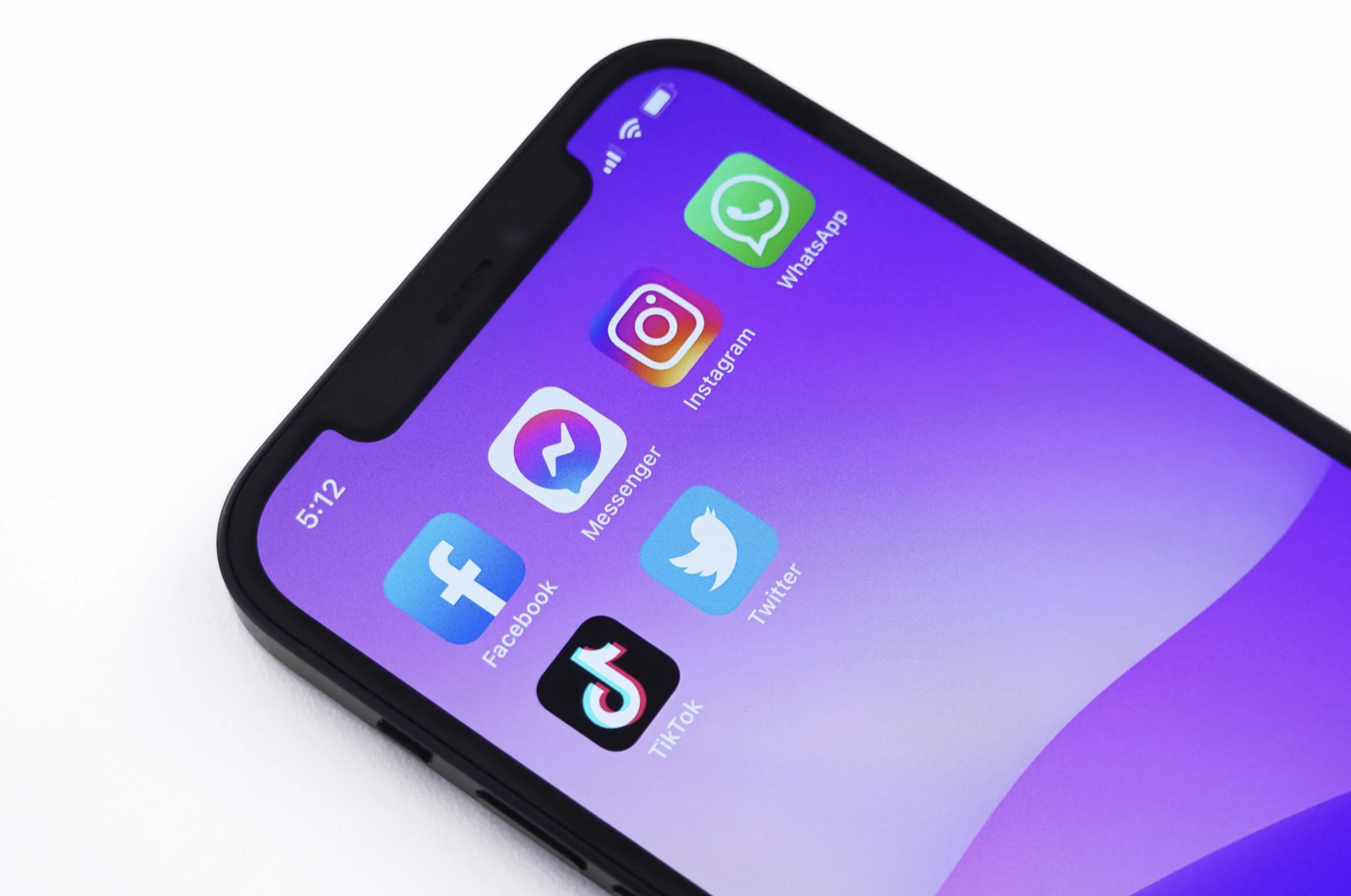

We must be very cautious on what social media tries to sell when promoting these gut healing products.
I can’t be the only one who was succumbed to the influence of “gut tik tok” or Instagram posts claiming that a magic powder from Amazon will cure your gut. I see these posts, still knowing that I need to be trusting professionals over influencers, and a small part of me wonders Is this the cure I’ve been looking for? On days I’m writhing in pain or annoyed about my medications, I truly do think about buying into an influencer's recommendations on how to heal your gut and buy the millions of supplements they promote. Maybe I won’t ever have to take medication again! BUT, we must be very cautious on what social media tries to sell when promoting these gut healing products.
“I see these posts, still knowing that I need to be trusting professionals over influencers, and a small part of me wonders Is this the cure I’ve been looking for?”

On days I’m writhing in pain or annoyed about my medications, I truly do think about buying into an influencer's recommendations on how to heal your gut and buy the millions of supplements they promote.
It’s always disheartening for me to see people who have managed to “cure” their gut with products I’ve never heard of and wonder, is it even true? Most of the time, it is not. But it’s hard for us, those who have suffered with these diseases for a while and will continue to do so, to see these videos and not feel a flicker of hope that maybe our cure lies in the next new gut supplement. I’m not saying all the information on social media related to gut health is bad, some of it is very informational! There are many trained professionals out there who make incredible content based on diseases of the gut. We just need to learn, as a community for people with GI issues, to follow professionals who we trust to give us well-informed advice. It’s important to use social media as a means of getting trustworthy information, not gaining false hope by influencers with promotional content that lacks real evidence. This is definitely something I need to work on as well but I trust we will all be able to find a healthy balance when it comes to social media.
“ It’s important to use social media as a means of getting trustworthy information, not gaining false hope by influencers with promotional content that lacks real evidence. ”
This article is sponsored by Trellus
Trellus envisions a world where every person with a chronic condition has hope and thrives. Their mission is to elevate the quality and delivery of expert-driven personalized care for people with chronic conditions by fostering resilience, cultivating learning, and connecting all partners in care.
It's not all about the bass - feeling comfortable in your skin.
By Maalvika Bhuvansunder

Ahh, the ever classic “All about that bass”, the so-called “revolutionary” song which was meant to show body positivity. One question though: How is it body positivity if you are putting down other body types? Body shaming is something I have endured constantly. Growing up, I was an extremely plump and chubby kid. Every vacation used to be a nightmare with relatives constantly telling me to eat less and become slim. To a preteen! That's where the root of my low self-esteem began. I was told by people that I wouldn't have friends if I don’t reduce weight. So growing up, when I did not understand the lyrics, it's all about that bass… by Meghan Trainor was a revolutionary song for me. It made me, and I’m sure a lot of other girls like me, feel amazing about our bodies. But what about the others?!
I was told by people that I wouldn't have friends if I don’t reduce weight.
A few months before I got my diagnosis, I started losing a lot of weight. Each month I would have lost around 2-3 kgs. Very soon, the chubby girl became the skinny one. It was very confusing for me and my parents as to why I was losing all this weight. Post the diagnosis, at least we knew the reason. It was very new and weird for me to look this thin and I knew this was not a healthy weight loss, but I did not have any control over it. Keeping down food got difficult, and I developed this fear of eating as it was associated with pain. What added to this were the comments of other people.
There was one group that cheered this weight loss, glorifying it without knowing the pain I was in. Then, there were the others that made me feel ashamed of being so skinny. The constant, why don't you eat, are you trying to diet, you looking this skinny is UGLY got too much. I refused to step out of my house because of this constant judgement. Random strangers used to advise me on how to gain weight and that being this skinny is not good. Strangers did not know the cause of my weight loss, but when the family and friends that did know about it made such comments, it hurt the most. The constant comparison with others in my family to casually making “jokes” and trying to funny about my weight was horrible for me. It was impossible for me to gain any weight, and it was not like I did not know that I was dangerously underweight. But “Eat up!” was not the solution, and food was the main pain-causing component for me at that time.
If you are healthy and feel great, then who cares what shape and size your body is? People are going to comment either way.
Post-surgery, now that I am able to slowly gain weight, this fear is always still there of what if I go back to my preteen body type. On the other side, the fear of relapse in weight gain is also there. I’m sure a lot of individuals with IBD would experience body dysphoria, the feeling of not belonging in your skin, and hating the way you looked in the mirror. That was me for most of my life. This experience made me realize that what truly matters is feeling healthy. If you are healthy and feel great, then who cares what shape and size your body is? People are going to comment either way. What truly matters is your health. To this date, I am not fully comfortable in my skin, but I am making baby-step progress towards it.
Dealing with Anxiety from Medical Tests and Procedures with IBD
By Varada Srivastava (India)

I have been in remission for the past 2 years, but even in remission I am required to regularly get blood and stool tests done. Recently one of my tests showed I had inflammation and I realized even after years, I experience the same type of anxiety about it. I've broken it down into 3 stages:
My Three Stages of Anxiety
1. Anxiety of getting the test and/or procedure done
Tests and/or procedures, like an MRI or colonoscopy, are infamous for having a really difficult prep. I personally get very worried whenever the doctor recommends I should get a colonoscopy or MRI enterography done. The prep for both these tests produces immense amounts of anxiety for me. The procedure in itself is very painful as well. Unfortunately, for people with IBD these tests are a must to see the inflammation of the digestive tract.
2. Anxiety about the results
Getting anxious about the results is very common whether you're in remission or dealing with a flare. Being scared about the worst case scenario, thinking about how much work or school you’ll be missing if the test results are bad, wondering whether the medication has stopped working are all fears that may come up. I think this is the most common and debilitating type of anxiety to feel. Working through it seems difficult especially without the support of friends and family.
3. Anxiety about life after the results
Hopefully the results we get are positive and that's the end of the anxiety cycle, at least till next time. Unfortunately if the result is bad, all the questions we ask ourselves while spiraling become very real issues that need to be addressed. Figuring out medical insurance issues, getting leave from work or school, finding ways to get out of social events are all obstacles that we need to overcome. The main question that arises is how to deal with this cycle and is there any way to break it? I have not yet discovered a way in which I do not engage in this cycle but I have found little ways to manage it better.
How I have learned to manage anxiety better
1. Talk to your family and friends
This is the most obvious but also the most effective way to exit an anxiety spiral. Find someone you trust and confide in them. Tell them about your fears, no matter how ridiculous or unrealistic they sound.
2. Support group or therapy
If you find it difficult to talk to your family about this or are concerned about worrying them. Try to find a support group or a therapist. One of the benefits of joining a support group will always be that you’ll be surrounded by people who regularly go through something similar. There are many wonderful support groups that can be found online as well!
3. Focus on self care
Make yourself a priority. Eat good food and drink plenty of water, meditate as often as possible, journal, go out for a walk, play with your pet, facetime your friends, watch your favorite tv series. Try to engage in activities that you enjoy as much as possible.
Find what works best for you!
Featured photo by Pixabay
Moon Face Throughout Childhood – How It’s Affected My Body Image
By Isabela Hernandez (Florida, U.S.A.)

Going on prednisone is a somewhat universal experience for IBD patients. Maybe not everyone, but a lot of us have cycled through steroids and experienced the “fun” symptoms it brings along with it. One of them being moon face. Moon face is when your face appears very swollen and round. For me, I’ve cycled through high dose prednisone many times, especially in my childhood and have a very familiar relationship with moon face.

This was the first year I experienced having moon face. I was 5 at the time; I remember this time in my life vividly, especially this picture. It was a school picture day, and I knew we would be taking a lot of photos. I still didn’t fully understand what was going on with my body and even thought having IBD constituted as normal, as it was the only life I’d ever known. But what I did know was that I didn’t look like how I once did, that person that my classmates knew me as.

To compare, this was me the year before. I knew the girl in this second picture. That was me. But I didn’t recognize the girl in the first picture and would look in the mirror as a 5-year-old girl, confused on who was staring back. At the time, I didn’t realize how this would affect me later growing up. My relationship with my body and how I viewed myself every morning when I looked in the mirror was slowly tainted.

This was my second time having moon face. I was 8. I was a little older and much more self-aware about how others viewed my appearance. I became shy, closed off, and scared that my cheeks would scare my friends or cause them to not even recognize me. I remember thinking I didn’t even care about feeling sick inside or having to go to the hospital; the only thing I ever wanted was to look like myself and look normal.
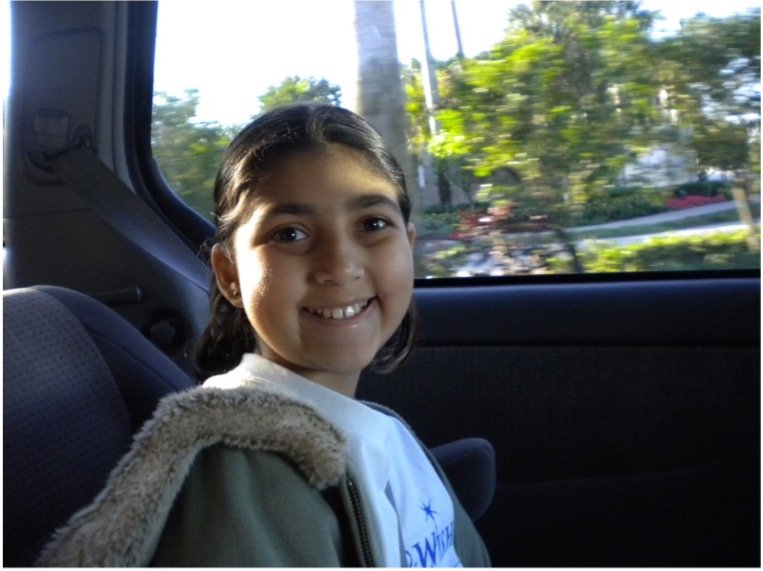
This was my third time having intense moon face in childhood. I was 10 here. This was the worst for me. I was growing into my body, but the body I was growing into felt foreign. This was the age that my thoughts began to center about how I looked and how others viewed my appearance. I felt like the person I was inside and the person I saw in the mirror were two different people, constantly disconnected. I grew into teen hood and young adulthood with the same thoughts always seeping in. The constant weight fluctuations as a child constantly made me second guess how I felt about myself. No matter what weight I was at, when I looked in the mirror, the little girl with chubby cheeks was always the one staring back. This body dysmorphia never let me feel content with my body. I was in a continuous fight with myself, and I was always losing. Over time, and as I matured more, I tried to combat this. It became routine for me to constantly remind myself that the struggles with my body were caused by something out of my control. It wasn’t my fault, and I can’t punish myself every day for something I didn’t do. What I can control is how I speak to myself when I look at my body. My relationship with my body isn’t perfect and I don’t think it ever will be. I now just view those photos as different versions of myself, versions that were strong and resilient to the pain that IBD can cause. I need to constantly remind myself that my body isn’t my worst enemy and to control my thoughts when I begin to believe that it is. It’s easy to hate on our bodies and hate what IBD has done to them, believe me, I do it all the time. But I must remember that even though my body is not perfect, it’s the vessel that keeps me alive, doing the best it can, and that’s ok with me.
This article is sponsored by Trellus
Trellus envisions a world where every person with a chronic condition has hope and thrives. Their mission is to elevate the quality and delivery of expert-driven personalized care for people with chronic conditions by fostering resilience, cultivating learning, and connecting all partners in care.
Imposter Syndrome Being Healthy
By Isabela Hernandez (Florida, U.S.A.)
I was diagnosed with IBD when I was three, specifically with ulcerative colitis. When I look back at my life, there is not a time where I do not remember constantly living and dealing with my chronic illness. When I think about my childhood, the first thing I think of is being sick. Living with illness means we deal with an extra set of emotions and priorities that a lot of the world does not have to. Medicines, appointments, refills, procedures, and pain immediately flood my brain the minute I wake up in the morning. It is something we all deal with and try to integrate as best we can into our daily life.

Medicines, appointments, refills, procedures, and pain immediately flood my brain the minute I wake up in the morning.
As I grew up, in a strange and twisted way, I started to feel comfort being sick. Hospitals felt like home. Walking into doctor’s office felt more normal to me than walking into school. Over time, I felt this intense solace within being sick and for some reason, started to feel uncomfortable being healthy. Being sick was MY normal, so what was being healthy? Around the time I was 11 or 12, I was put on an experimental treatment that allowed me to stay in “remission” until I was 19. I put remission in quotes because it does not mean the disease is done and over. We still deal with medications, appointment, mild procedures, and mild symptoms. In these seven years where my disease had toned down, every day I woke up with this feeling that being somewhat healthy was wrong. I knew how to be sick. I was good at it. But, I had no idea how to deal with anything being in remission. I had a serious case of imposter syndrome these years and felt this extreme anxiety that in any moment, I was going to go back into my comfort zone of flaring, something I had endured for so long that it felt normal.

It is not fair that we spend so much more time in sickness than in health, that now sickness is our normal.
Not a lot of people mention that although flaring IS the worst part of having IBD, being in remission doesn’t mean life is instantly easy. It comes with a whole new set of fears and anxieties about how to go back to “normal” life. What is normal life for us when in remission? It is very confusing and something I still try to figure out on the daily. It is not fair that we spend so much more time in sickness than in health, that now sickness is our normal. It is our life. But what I have come to realize is that my sickness is NOT who I am. It has definitely shaped many parts of my personality and how I have become who I am now, but it is not the biggest and most defining part of who I am. I used to think that my IBD was who I am and that is it. It is definitely not, and we are just the people that our sickness has shaped us to be. I know that every day is a struggle, in remission or in a flare. I recognize that and actively try to remind myself that even though I feel comfort being sick, it is NOT normal. It just makes us all stronger.
This article is sponsored by Trellus
Trellus envisions a world where every person with a chronic condition has hope and thrives. Their mission is to elevate the quality and delivery of expert-driven personalized care for people with chronic conditions by fostering resilience, cultivating learning, and connecting all partners in care.