
NEWS

Advocating for the Specialized Care You Need: Reflections on Mount Sinai’s IBD Clinic
Recently, I’ve started receiving care from the Susan and Leonard Feinstein Inflammatory Bowel Disease Clinical Center at Mount Sinai. This was my first time visiting an IBD-specific clinic, ever. Prior to visiting Mount Sinai, I was lucky if there was a gastroenterologist or a colorectal specialist on call at my local hospital.
On my most recent visit to the IBD Clinic for a post-operation appointment, I thought I’d reflect on what made this center so special, especially during the COVID-19 era.

Post-surgery for an internal fistula -- feeling better already!
In light of the pandemic, the process for being admitted and seen (at any hospital!) has been streamlined into a tighter and safer protocol. With hand sanitizer stops at nearly every corner, I noticed that Mount Sinai took a heightened level of precaution than any other facility I had been in. Every doctor, nurse, and staff member had a face shield in addition to their masks, with some going as far as to don Bouffant caps.
Beyond the COVID-19 precautions, however, I would like to speak to the deeper and more important differences at this clinic -- the unspoken sense of solidarity between both patients and doctors alike. To have an entire facility devoted to this condition, a chronic illness shared by millions of Americans nationwide, means that there is a lack of cause to explain yourself. Everyone in the room is deeply familiar with the forms of IBD, along with all the embarrassing and critical details that few others are willing to talk about in their entirety.

The waiting room at the Mount Sinai IBD Center is all socially distanced!
This plaque, hung on the entryway of the floorwide clinic, is perhaps one of my favorite parts of the IBD Center. It’s a reminder of how fortunate we are, as young adults with IBD, to be treated in a time where our condition has been identified and researched, nevertheless with a name and prognosis. It is a strange feeling, indeed, to know that the work and medical achievements of this doctor (and his name!) has forever changed my life.

A plaque memorializing Dr. Burrill Crohn at the Mount Sinai IBD Center.
Of course, I would be remiss not to acknowledge how incredibly fortunate I am to live in the vicinity of this clinic. To have access to such a clinic with a focus on IBD in and of itself is a privilege, one that many Americans and patients are not so lucky to receive. I’m duly compelled, however, to point out how lacking our healthcare system is, especially for those suffering with chronic illnesses. As someone who was diagnosed with Crohn’s disease in the summer of 2020, a time when the SARS-CoV-2 virus revealed the greatest inequities and vast underpreparedness of American healthcare, I’ve come to meet, learn about, and further appreciate the frontline and essential workers, who are simply making the most of what they’ve got.
Although it took me months to find the right team of doctors and healthcare professionals, I learned that it was alright, and at times, even necessary, for me to ask for more specialized degrees of care. An important lesson in my brief yet transformative journey with IBD: don’t be afraid to advocate for the specialized care that you need.

Reflections: The Importance of Advocacy for IBD
It’s a little strange to title this article ‘Reflections,’ because IBD is unique in that it’s always ongoing, with nothing to really jump over and look back on to reflect; with the journey still very much running, our reflections are inbuilt into it.

As I write this, I’ve been in remission from ulcerative colitis for more than a year. From the time I was accepted to be a CCYAN fellow to now, I have already been through a rollercoaster of new emotions: from immense gratitude and relief that I am finally a fellow of a network that I closely followed for several months to staggering self-doubt about whether I can truly do this opportunity justice. While poles apart, my feelings of gratitude and self-doubt and the largeness of the two do stem from the same root. After I was diagnosed with UC at the age of 19, I desperately needed to know more people who faced the same struggles. With little else to focus on in those starting years, hope would glimmer every time I found out about a famous personality or someone I knew who opened up about their chronic illnesses.
The way an invisible chronic illness creeps up on young adults is very much like a thief breaking in your house when you’re asleep and stealing things that don’t seem so valuable at first sight but without which you can’t really survive (like all your dishes). As young adults, we are so entitled toward our bodies and organs functioning properly that there’s no way to prepare or even know you will be impacted and when you do, people have very strong opinions on what you could have done to avoid it. And if, like some organs, dishes weren’t replaceable and the upkeep of the damages was constant, the last thing anyone would want is to deal with the struggle alone and keep it private. At least that’s how I felt. As soon as I was diagnosed, I let everyone around me know mostly everything except for the “impolite” specifics. Sometimes if the gravity of my situation wasn’t acknowledged, I would push to reveal the impolite specifics too. Concurrent to my health challenges, I was still also learning aspects of a broad society I had entered just two years before I got UC. As I rushed to speak and be heard, I realized, through the fear of my family and the discomfort of peers and friends, just how closed this society is towards these things.
When there are no voices for something that drastically alters every aspect of your life, it feels as though you’ve been dropped off to a completely new city with no maps for guidance. Maps are important for not only getting you from point A to point B, but also giving you a sense of orientation to gauge where you are with respect to everything around you. No voices = no maps. By far, in India today, invisible illnesses not only lack visibility in patients' external bodies, but also in national and private datasets, policies, and advocacy. This leaves patients disorientated and vulnerable to quackery (health fraud), which results in the loss of crucial time, finances, and deterioration of mental health (with the ups and downs of new hope and disappointment).
If the silence around personal disturbances was anything to go by, then I did not do a very good job of fitting in to my society as I always took the opportunity to talk about what I was going through even when I realized with passing time that it wasn’t always welcome or understood completely. I thought I should speak up all the more, because if no one does, who will vouch for me? This casual monologue took greater form in my first experience of being at a public hospital in my city. By that time, I had scoured the internet for people like me, experiences like mine, unique symptoms like mine, etc. I had come to recognize some feelings that came as a by-product of my illness through Hank Green’s videos on YouTube, and that the illness was bigger than me and my doctors (who only focused on the strict textbook aspects of IBD). My mom and brother very supportively drove and accompanied me for my sigmoidoscopy and I even got to sit as I waited for my turn. Waiting for countless hours after the scheduled time of my appointment, I was busy drowning in my pond of self-pity. When I heard a young lady slightly older than me was invited to go before me, I was very irritated and urged my mom to leave and reschedule. My experienced mother knew better. As I waited, I could hear the conversation between the young patient and the doctors in the room next door. She was a daily wage worker and her grumbles about missing work, her stomach pain (due to which she tilted sideways when she walked) and the tedious hours she spent waiting for her turn followed her into the room. The doctors didn’t indulge her in any sympathy, but rather curtly started the process. I wondered out loud why they hadn’t offered her a sedative – whenever I was asked, I always thought what a preposterous thing to ask when the process was so intrusive and uncomfortable. It was because she was alone and needed to hear the doctor’s findings and, of course, had to head back home alone. Even in my miserable state, that struck something in me. Her yells and shouts during the process, and the surrounding patients’ aloofness painted a picture so bleak, I was forced to look beyond my situation and recognize that despair like mine was still placed high on privilege. Granted that sigmoidoscopies are not the most pleasant of processes to go through or even prepare for, her shouts seemed out of place. I gathered it was more of a release from the anxiety of being alone and in such a vulnerable position with no emotional support. It took me back to a brief, mostly one-sided exchange she and I had before she was called in. From the little I understood as she spoke rapidly in her dialect, she had absolutely no understanding of the formalities of the prep that had to be taken and, more worryingly, the seriousness of her illness. She had two kids she had to care for, and she came alone because her husband was a daily wage worker who could not miss work especially since she was missing work that day too. She complained to me about the high prices of prep, all the days she had missed getting tests done and scheduling and rescheduling appointments in a government hospital, her appetite loss due to nausea and how she couldn’t perform her labor-intensive work as efficiently. After she limped out of her session, I thought of the sheer population of people like her in India.
Ever since that episode, I started thinking beyond my illness and what I could do to help the numberless amount of people in the same boat as the young woman. To start helping, the first step is to get a clear picture of how many people are impacted by IBD, which is frustratingly not available nor acknowledged anywhere in India. I am grateful, therefore, that I found CCYAN as an international platform for advocacy. Advocacy would hopefully enable data collection somewhere down the line. However, sometimes the mountain looks too big to climb; at this moment, we are right at the bottom and there are many things to do. Sometimes I think of all the people suffering from IBD in India, and how many struggles go undiscovered due to health illiteracy, digital gaps, doctor unavailability, and expensive medication, etc. Now more than ever, as cases of autoimmune disease rise across the world, there needs to be a prominent force of advocacy for IBD in India, so that datasets can be recorded and informed policies can be formed. The innumerable people who struggle already for a living should not be further hindered in their struggle for support, information or resources in this regard.

How Toxic Productivity Can Affect Chronic Illness
“The grind never stops” is a quote I’m sure all older gen-z and younger millennials have heard. Hustle culture is like the monster hiding under our beds just waiting to attack us the moment we dangle our foot off the bed. It’s the scary email we try to avoid, but eventually have to acknowledge is there. Our society places a great amount of pressure, on our generation specifically, to work hard and constantly strive for a lifestyle in which we are operating at an “optimal level”. This is deemed as success and this version of success should always be at the forefront of our minds and influence all decision making. Participating in this hyper productive hustle culture is difficult enough for the average person to achieve, but what does it look like for people that live with chronic illness?

To put it simply, living with chronic illness(es) is hard. Personally, it is the most difficult thing I have ever experienced. With symptoms like chronic fatigue, anemia, and anxiety etc., paired with frequent doctor's appointments and stigma, one could imagine that it is virtually impossible for chronically ill people to participate in hustle culture. Unfortunately, being in this generation makes escaping from the plague of toxic productivity quite difficult. Growing up we have all heard the stories of the business person working 60+ hours a week to bring his dreams to fruition. This mentality has influenced our entire generation. Working hard should always produce tangible results, right? Well, not exactly. As someone that lives with IBD, overworking myself can have dire consequences. Stress and anxiety are common triggers for people living with IBD, so it can be exhausting to focus on extracurriculars, staying social, maintaining good grades, and overall performing “optimally” while you’re inches away from a flare up. Our culture’s ingrained toxic productivity can be seen as the genesis of this behavior. I regularly catch myself being filled with disappointment that my illness prevents me from working at the capacity that I deem as optimal. Blaming myself for the pressures that our society puts on this generation only adds fuel to the fire, but never addresses the true issue, which is our ingrained idea of hustle culture.
As young chronically ill people, we must stay aware about never pushing our boundaries and our illnesses in the name of productivity. Productivity is a wolf in sheep’s clothing; it seems innocent enough until it comes and bites us, and that bite for many of us is a flare. It is never a moral failing if you aren't able to operate at the same capacity as your pre-diagnosed self or other able bodied individuals. As chronically ill people, we have so many unique challenges that we must acknowledge and honor. Here is a metaphor that I often remind myself of:
“We are all running a race, and some people are completing laps in 7 minutes, and others are completing laps in 20 minutes. Some may have to stop to breathe, sit and take a brief rest, or even leave to grab water, but the timing doesn't matter, the effort and intention does. All effort is valid.”
In the metaphor above, the race represents toxic productivity and the one’s completing the laps in 20 minutes who have to frequently stop represents chronically ill people. Giving into the pressures of hustle culture and toxic productivity will only reinforce the cycle. So, for the college student that lives with IBD or other chronic illnesses, such as myself, who is putting excess amounts of pressure on themselves to excel in every facet of life, try to be conscious of allowing yourself the space to rest and recharge. “Rise and grind'' is hard to do when the rising part is the issue. Glamorizing and internalizing the generational curse that is hustle culture and toxic productivity can cause irreparable harm to ourselves. Remember, work does not equal self worth.
So, when you’re in bed trying to get rest and all of your responsibilities and the ghosts of toxic productivity are whispering in your ear, try your hardest to ignore those voices, turn the other direction, and get that well deserved rest.
Intestine Resection Experience in an IBD Patient
Many individuals who face inflammatory bowel disease will require surgery at some point throughout their lifetime. There are numerous reasons why an individual may need surgery such as abscesses, fistulas, scar tissue, active disease, perforations and many more ailments. Through my personal experience, I would like to share some tips to help you prepare for your experience with intestine resection surgery.
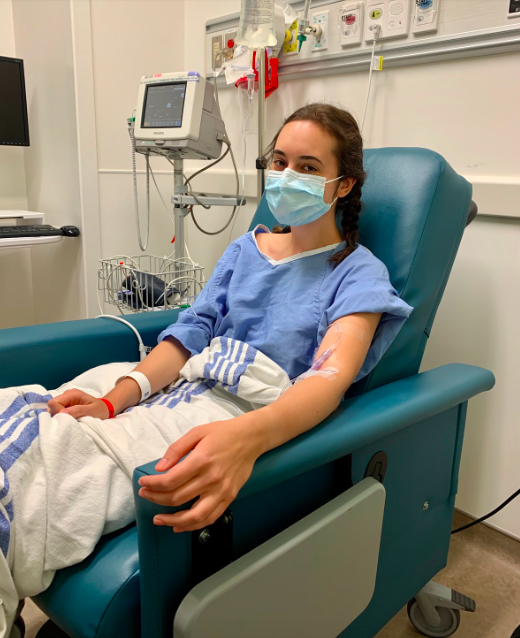
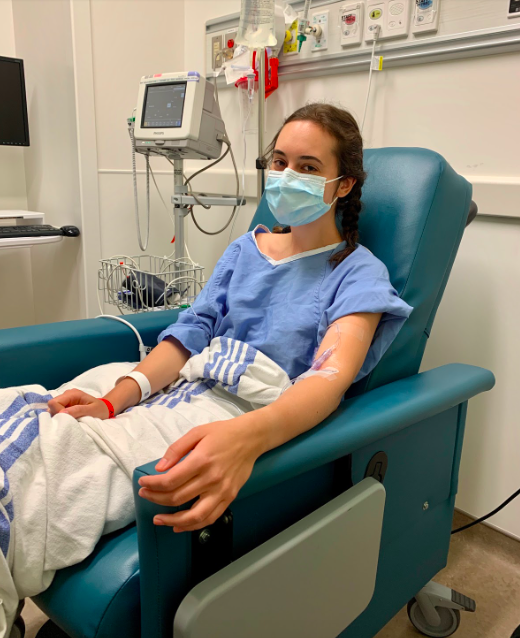
My intestine resection took place during the month of June in 2020 due to scar tissue narrowing my ileum, as well as some remaining active inflammation. During surgery, my ileum and a section of my large intestine were removed and my small intestine was then reconnected to my large intestine through a laparoscopic procedure. Enduring a surgery during the COVID-19 pandemic led me to experience a whirlwind of emotions. To begin, my original surgery date of May 2020 was postponed; however I was lucky to be able to receive it in June. During this time, hospitals in Ontario prohibited any visitors for adult patients, so unfortunately I was unable to have any visitors during my hospital stay of four days. I was so incredibly nervous to undergo a major surgery for the first time and knowing that I wouldn’t have any in-person contact with my loved ones, made the experience even more frightening. I knew that I would have to be my own advocate while in such a vulnerable position, a daunting feeling that made me quite nervous. Despite the fact I had many fears, I am happy I underwent surgery. I have recovered and continue to feel better than ever. During my hospital stay, I was taken care of by my colorectal surgeon and a wonderful team of nurses, and although I couldn’t wait to return home, I felt comfortable and secure while recovering in the hospital.
Receiving a surgery as serious as an intestine resection can seem terrifying, and trust me - I was terrified. To ease my mind and fill me with the confidence I needed to undergo this procedure, I fully immersed myself in taking great care of my physical and mental health. Physically, I made it a priority to get extra sleep, stretch often, go for walks when my body had enough energy, and made sure that I was eating nourishing foods. Mentally, I talked about my fears with my medical teams and loved ones, saw a therapist to learn coping techniques and made it a priority to journal daily. I also carefully and strategically packed a hospital bag with items that I knew would bring me comfort and make my hospital stay as easy as possible. Below are the items that I used daily during my stay.
Hospital Bag Check-List:
Night gowns or oversized T-shirts (pack comfy clothes that don’t put pressure on your abdomen)
Loose underwear
Extension cord and chargers for phone
Face wipes (it will be hard to shower!)
3-ply toilet paper (hospital 1-ply toilet paper in the WORST)
Stuffed animal to cuddle
Cozy blanket and pillow case
Easy to put on slippers (you won’t be able to bend down and they are great for walking the halls)
Perishable snacks if you require a special diet (or don’t like hospital food)
Anything else that will bring you comfort or joy
Before my surgery, I was searching everywhere online to gain insight on what my hospital experience might be like and I was unable to find many resources. I hope by sharing my personal experience in an Ontario hospital during the COVID-19 pandemic will provide comfort and ease the nerves of other IBD warriors going through a similar experience.
The Day Before Surgery:
Remember the prep before colonoscopies? She’s back! The prep instructions I received were extremely similar to colonoscopy laxative prep, along with a large dose of antibiotics. Your medical team may prescribe you something similar or different. Either way, you’ve got this!
Hospital Check-In:
After arriving at the hospital and checking in, I was brought to a change room where I was asked to change into a gown and check my suitcase. After I had changed, I was brought to a pre-operation room where the intravenous was given. My biggest piece of advice while going through all of these steps leading up to the surgery is to express how you are feeling to your nurse and medical team. I was feeling extremely uneasy and expressed these feelings to my nurse and this prompted her to request an anti-anxiety medication from the anesthesiologist that I could take prior to walking into the operating room. Once in the operating room, I received an epidural. I was personally terrified of receiving an epidural, but I experienced zero pain from the needle! After that, it was easy. I was quickly put to sleep and before I knew it the surgery was done!
After Surgery:
Upon waking up, I felt extremely tired and out of it. I continued to sleep for hours until the nurses woke me up. They encouraged me to try to stand up and use the washroom to empty my bladder. Due to the epidural and medications I received, I felt minimal pain and my legs remained numb for a few hours. Although I did not feel as if I was in pain, I could make out feelings of soreness within my abdomen. Afterwards, I was left to rest and was allowed to start drinking fluids. My medical team encouraged me to eat the next day and I brought snacks for this specific reason.

The first three days after surgery were the worst for me in terms of pain. As someone with IBD, I was accustomed to experiencing severe pain and I was able to control this pain with only Tylenol. I’ve previously been prescribed narcotics to control the pain associated with my IBD flares, so only needing Tylenol was a win in my books! My surgeon cleared me the day after surgery to begin walking the halls and moving my body. Walking was exhausting and caused me pain but it truly helped out a lot with my recovery. I was only able to stand and walk hunched over to avoid putting pressure on my abdomen which I still can’t determine whether my mind was protecting my body or if I was really unable to stand straight. This continued for about a week and each day I was able to stand up a little taller.
Returning Home:
Once I was cleared to leave the hospital, I returned to the comforts of home where I was able to have my family care for me. Stairs were unbelievably challenging and I needed support to get up and down. I was extremely exhausted for a couple weeks post-surgery and majorly prioritized rest and recovery. My biggest advice is to have a caretaker for your first few days back at home, to help you get in and out of bed, cook meals, and shower. If you are going to be alone, sleeping on the main floor and pre-making meals before surgery would be extremely beneficial to ensure you have easy access to nourishing meals.
I found it extremely difficult to get in and out of bed - I never realized just how much I use my abs! I recommend setting up a sturdy piece of furniture by your bed, such as a chair or side table, to use to lift yourself up and out of bed with. I also found that sleeping in an upright position was much more comfortable, putting less pressure on my abdomen, causing me to stack my bed with pillows.
Please remember, it can take some time for your body to adjust to the surgery and notice results. Since I had a narrow ileum that caused blockages and poor digestion, I thought I would immediately have better digestion after surgery. My digestion is a thousand times better as I write this, but it took about a month for me to truly notice any of the improvements and benefits from the surgery and continued to notice additional improvements months following. During this time of recovery, each day my body continued to become stronger and more resilient.
I hope my personal experience receiving an intestine resection will help those of you who are preparing to undergo your own intestine resection. My hope is the advice I have given you will help relieve your nerves and guide you through the process, by giving you a better idea of what to expect. As members of the IBD community, we are strong, courageous and resilient!

AIBD 2020: Beyond Anti-TNF Therapy
My last session I was able to attend for AIBD 2020 focused on therapies for IBD that are beyond Anti-TNF medications. The specific sessions I attended were led by Anita Afzali, MD, MPH, FACG and Raymond Cross, MD, MS, AGAF, FACG. I wanted to attend this session because I have always found immunology fascinating and absolutely loved the classes I took on it. Kind of ironic that I was later diagnosed with IBD, right? Anyway, hearing discussions about newer biologic therapies and what is in the pipeline is encouraging as an IBD patient and a medical provider. I know many of you are on immunomodulator therapy or biologics, and there are risks and benefits to consider when starting and continuing these medications.
First, let’s do a basic intro to one way that inflammation plays a role in IBD, specifically through TNF-alpha. I love this video from Animated IBD Patient if you are more of an auditory/visual learner. TNF-alpha is only one mediator of inflammation, and that’s why we are looking at other inflammatory targets, such as interleukins (IL-), JAK pathways, leukocyte (white blood cell) trafficking and preventing adhesion of these inflammatory molecules to name a few. (I also promise this will make more sense down below :) ). It’s pretty amazing that we know some pathways to target specifically to reduce inflammation, paving the way for medicines like Remicade (infliximab), Humira (adalimumab), Stelara (ustekinumab), Entyvio (vedolizumab), Xeljanz (Tofacitinib) and others. This decreases our reliance on medicines like prednisone, which lower inflammation in a broad way and typically have more unwanted side effects.
We have to consider the limitations of our current therapies when looking at new targets - 30-40% of us will fail to have an initial response to anti-TNF therapy and up to 50% of us may lose our positive response to biologics in the first year of therapy. There is also the cost, route of administration (like if you need to go to an infusion center) and treatment related adverse events (i.e. immunosuppression, allergic reactions, etc.) that are very important to consider when looking at our current therapies and targets for the future. We do know from recent studies that patients who have never been on anti-TNF therapies do better on medications that target other specifics in the inflammatory pathway, such as Entyvio, Stelara and Xeljanz. And, as with any medication you take, from Tylenol to biologic medications, there are always risks to consider. These are the safety concerns highlighted from the talk below:
IL-12 and IL-23 inhibitors - what are our safety concerns?
Data from the PSOLAR registry showed no increased risk of:
Serious infections
Malignancy (except non-melanoma skin cancers)
Major adverse cardiac events
All-cause mortality (death)
JAK inhibitors - what are our safety concerns?
Infection - herpes zoster (shingles)
Thromboembolism/VTE - aka blood clots; this was seen in Rheumatoid Arthritis (RA) literature
All-cause mortality (death) - also seen in RA literature
Increased total cholesterol, HDL and LDL cholesterols
Cardiovascular events - this could mean heart attacks, strokes, etc.
Anti-trafficking agents, specifically S1P Receptor Modulators which prevent lymphocytes from contributing to tissue inflammation - what are our safety concerns?
Serious infection - herpes zoster (shingles), PML (progressive multifocal leukoencephalopathy)
Bradyarrhythmia and AV conduction delays - heart issues
Macular edema - visual problems
A good thing I noticed when I was looking at the study results on newer medications in the pipeline is that they all look at both clinical and endoscopic remission. This is a step in the right direction for us as IBD patients since things may look great on endoscopy or colonoscopy, but we may not feel well clinically. I hope that the clinical remission criteria look at patient-centered endpoints as well.
Portion from Positioning IBD Therapies
Going off of our information above, Dr. Cross reviewed some important goals of therapy when considering newer IBD therapies and how they affect the patient based on low- and high-risk disease, among other things. Our goals of therapy are to induce clinical remission (no IBD symptoms), avoid short- and long-term toxicity of therapy, maintain steroid-free remission, enhance quality of life, achieve mucosal healing in the gut (aka deep remission), prevent/treat complications of IBD and to decrease unnecessary health care expenditures such as ER visits and hospitalizations.
There have also been studies, such as the CALM study, that look at a “treat to target” approach for patients. This includes targets such as absence of ulceration via endoscopy/colonoscopy or other imaging modalities, and does not just rely on resolution of symptoms alone as the only target. The CALM study, which involved Crohn’s patients, found that the treat to target approach led to higher rates of mucosal healing than typical clinical management. Have specific targets to meet, including clinical remission for patients and imaged-guided remission could help streamline treatment and increase the involvement of the patient in their care.
Dr. Cross also discussed how to approach highly-effective treatments in IBD patients. This decision is based on the severity of symptoms, the inflammatory burder, risk factors for severe disease or a disabling disease course and the presence/absence of complicated Crohn’s disease. Once the decision has been made by you and your provider to initiate highly effective therapy, there are even MORE factors to consider! These include:
Is there evidence that one agent is more efficacious than another?
How severe are the patient’s symptoms?
What safety considerations are present? This could include an elderly patient, having comorbid conditions or being risk-averse.
Does the patient have a preference regarding mode of delivery? This can mean taking a medication by mouth, injection, IV infusion, etc.
What type of insurance does the patient have? I’m so glad they’re taking this into consideration! As much as providers wish they didn’t have to consider this when prescribing the therapy for patients, this is so important to keep in mind.
Does the patient have extra-intestinal manifestations of disease? This can mean things like arthritis, uveitis (eye inflammation), skin changes and others.
Are patients with a uterus/ovaries of childbearing age?
Without boring you further by reviewing studies and their data, IBD researchers are doing great work at comparing older and newer biologic therapies and how they affect patients who have never been on biologics, have failed biologics, IBD patients with extra-intestinal manifestations and how they compare in IBD patients with moderate to severe disease.
Based on studies comparing these various aspects of treatment and how newer therapies that target more specific aspects of inflammation in IBD, the decision to start highly effective therapy is one that should be made with you in mind, but with your GI provider taking your entire clinical picture and risk factors into account. The goals of treatment will be clinical remission and endoscopic improvement. Based on current data, it is recommended that IBD patients who are older, have less severe symptoms/inflammatory burden and those with comorbid conditions take a “safety first” approach - utilize ustekinumab (Stelara) or vedolizumab (Entyvio) as their data shows improvement and has the least amount of serious side effects.
For IBD patients with more severe symptoms, it is recommended to start with infliximab (Remicade) or tofacitinib (Xeljanz); however, Xeljanz should be avoided in patients with a uterus/ovaries who are of childbearing age. In IBD patients with prominent extra-intestinal manifestations, they recommend anti-TNFs, tofacitinib or ustekinumab. I know this all sounds like a lot, but know there are inflammatory-specific treatments being studied in the pipeline and that IBD researchers are comparing current treatment modalities and how they can best serve their patients with evidence-based data for treatment in conjunction with your clinical picture. As always, if you have questions about a particular treatment or side effects (anything really), always ask your GI provider. They went to school for years to be able to care for you, and they should be happy to answer any questions you have about treatment. All questions are good questions, and I hope this article was interesting and inspiring for you as you continue on your IBD journey.
AIBD 2020: Highlights of the 1st Fellows Session on Translating the Language of IBD to the Patient
As part of the Advances in Inflammatory Bowel Diseases (AIBD) conference, I joined the Fellows Session I: Translating the Language of IBD to the Patient. The session was co-chaired by Christina Ha and Lisa Malter and was targeted at Fellows. For those who aren’t familiar with the medical training system in the United States, a Fellow is a doctor who has completed their residency (specialist training programme), and elects to complete further training in a speciality, such as gastroenterology.
There were a number of distinguished healthcare professionals from the IBD community involved in moderating and facilitating different aspects of this session, covering: different frameworks for effective partnering between IBD providers and people with IBD; how doctors can help to inform and empower people with IBD; choosing the optimal IBD therapy as a shared decision-making process; and the goals of caring for people with IBD. Attendees were split into different breakout groups for discussion at several time points during the session, with groups consisting of up to 10 Fellows and one member of the conference session faculty.
Dr. Regueiro discussed a framework for choosing the optimal IBD therapy, highlighting the concept of ‘treat-to-target’. ‘Treat-to-target’ is based on finding and defining appropriate treatment targets, using available evidence. For certain conditions, like high blood pressure, there are very clear targets which should be met, such as having a systolic blood pressure (top blood pressure number) less than 140 mmHg; since otherwise, you are at a higher risk of a stroke or heart attack. ‘Treat-to-target’ in conditions like IBD are a little more challenging, because the ‘target’ is less clear or straightforward. For example, some doctors say that it should be the normalisation of biomarkers (e.g., fecal calprotectin in range), whereas others argue for mucosal healing (disease activity is not seen during an endoscopy procedure), and histological healing (complete recovery of the digestive tract, with absence of inflammation or structural changes under the microscope).
Dr. Regueiro then went on to summarise the current IBD therapy landscape, prompting for the choice of biologic or small molecule to be personalised for every individual person with IBD. He recognised the need to start biologic/small molecule therapy earlier, particularly for those at high risk for rapid progression. He outlined four key groups of treatment falling under the biologic/small molecule categories as we enter 2021:
Anti-TNFs (e.g., adalimumab, certolizumab, golimumab, infliximab);
Anti-IL-12/-23 (e.g., Ustekinumab);
Anti-α₄β₇ integrin (e.g., Vedolizumab);
JAK inhibitors (e.g., Tofacitinib).
An important part of the conversation around the most suitable treatment for people with IBD relates to treatment safety. Dr. Regueiro highlighted the importance of open and honest conversations between doctors and people with IBD, and the need for transparency in evidence. During his presentation, he presented a new safety pyramid of different treatment options based upon available evidence, including conventional treatments such as steroids and thiopurines. Regueiro stated that this safety pyramid was most relevant at the time of AIBD 2020. The safest treatments were vedolizumab and ustekinumab. These were followed by single treatment with anti-TNFs (e.g., adalimumab, certolizumab, golimumab, infliximab) and tofacitinib. Thiopurines (e.g., azathioprine, 6-mercaptopurine, thioguanine) and combined thiopurine/anti-TNF treatment then followed, respectively. Steroids were seen as the least safe treatment for people with IBD.
Laura Raffals spoke about the goals of caring for people with IBD, emphasising the privileged position of healthcare professionals to be able to support people with IBD. She also highlighted the importance of a multi-disciplinary approach to care, recognising that the doctor alone is inadequate. As part of the team, you ideally need nurse practitioners/specialists, physician assistants, medical assistants, pharmacists, dieticians, advanced practice providers, and social workers, to ensure that care is holistic and meets the needs of every individual person. This also needs to include those outside of gastroenterology, including the likes of other specialists (e.g., rheumatology), surgical teams, primary care providers, radiology, pathology, behavioural health specialists, and support service providers, to name but a few.
Discussion continued about the need to think about preventative care, such as immunisations, bone health and cancer, and how this should be optimally achieved with other healthcare professionals and people with IBD. Ideally, healthcare maintenance should be co-managed between specialists and primary care providers; however, this is not always the case, leaving people with IBD feeling ‘lost’. Specialists in those circumstances recommend checklists to help ensure preventative measures are considered from the outset.
Access to care also needs to be fit for purpose, combining in-person care, telephone care, urgent care, support services, electronic access to information, data, and services, and education. In terms of looking forward, we have already seen a glimpse of what the future of healthcare will look like as a result of the COVID-19 pandemic. The likes of remote monitoring, telehealth and self-scheduling are likely to increase, and should be used in the right situations, dependent on the specific needs and wishes of people with IBD. Laura finished by saying, “patients are expecting care on their terms”, which is indeed a fitting way to summarise the changing healthcare provider-patient relationship as we move in 2021 and beyond.

AIBD 2020: Management of IBD in Pregnancy
It can be hard to focus on our future goals and what our life will look like after we get a diagnosis. The amazing thing is, even with being chronically ill, we can have fulfilling and successful lives. One topic that is oftentimes a worry for IBD patients is pregnancy and what that will look like for us once we get a diagnosis. Dr. Uma Mahadevan M.D. at UCSD Colitis and Crohn’s Center presented on the Management of IBD in Pregnancy and this session brought concrete important knowledge on what is currently known for dealing with IBD and pregnancy. She focused on the impact of IBD on pregnancy outcomes, the management of patient medications, and IBD care during both delivery and postpartum. I have broken down the session for patients to digest it easier and read the facts about dealing with pregnancy and IBD, from contraceptives to the delivery process.
Preconception:
- Preconception planning and education are vital for a health pregnancy! If you are considering starting a family, it is important to first talk with your GI provider and remember that this should be an interdisciplinary process and may include OB’s, Maternal-Fetal Medicine Specialists, Nutritionists and Pediatricians.
- With regards to disease management; GI’s will suggest a 3-month steroid-free remission prior to conception and will most likely confirm this through an endoscopy. Methotrexate should be stopped three months prior to conception.
- OB provider might ask for low-dose aspirin, which may reduce risks of preeclampsia.
- Cannabis is not recommended in regards to pregnancy as it can be passed through breast milk.
- With regards to contraceptives, what Dr. Mahadevan recommended is long-acting reversible contraceptives as opposed to pill contraceptives and estrogen.
9-month Pregnancy Plan:
- If your IBD is in remission, you can expect a GI and lab work visit every trimester and as needed. There will be counseling on mode of delivery.
- If your IBD is in a flare during pregnancy, you should be doing a GI follow-up every two weeks and possible adjustment of medication. Other methods of managing flares can include lab work, endoscopy, radiologic imaging, and surgery. Again, you will consult your doctor about the delivery method.
- In regards to medication, if you are on biologics, expect to continue throughout your pregnancy without stopping. Aminosalicylates and thiopurines can continue throughout as monotherapy.
- UC patients are more likely to experience flares during pregnancy, this may be because less UC patients are on biologic therapy.
- PIANO, which is a 1700 patient prospective registry of pregnancy outcomes in women with IBD, showed that fetal exposure to both biologics and thiopurines had no increase in congenital malformations, preterm births, infections in first year, or low birth weights. This is such an amazing study and brings many of us patients at ease.
- Stopping an anti-TNF can actually increase relapses in disease but no impact on an infant’s infection. Dr. Mahadevan said that she did not increase the dosage of an anti-TNF no matter the weight gain during pregnancy.
Delivery:
- Most women with IBD can have a successful vaginal delivery! However, often times planned cesarean sections are done and those with an active perianal disease and rectovaginal fistulas should get a cesarean section.
- With a vaginal delivery, biologics can be resumed 24 hours after the delivery if there is no infection found and 48 hours after a cesarean if no infections are found.
- Methotrexate and tofacitinib should not be used when breastfeeding. Thiopurines and biologics can be continued.
- All vaccines should be given on schedule to the newborn except you should avoid live vaccines for the first 6 months if there is in-utero biologic exposure.
While it can be daunting to start the process of building a family while you have IBD, it is doable. The research shows that there are excellent developmental milestones for children and the research only continues to get stronger. If you are interested in learning more about managing pregnancy and IBD check out IBDparenthoodproject.org as well as the PIANO research initiative!

AIBD 2020: A Lens on COVID-19 and IBD
I enjoyed attending the session “A Lens of COVID-19 and IBD”, specifically those chaired by Dr. Maria Abreu, Dr. Michael Kappelman and Dr. Brennan Spiegel. We reviewed some basics of COVID-19 pathophysiology, updates from data gathered from the Secure-IBD Registry, European updates and the role of digital health in IBD in the era of COVID-19.
If you want a little background or review of the virus before we dive in, COVID-19 is a single-stranded RNA virus that is spread primarily by respiratory droplets (coughing, sneezing, etc.). We know that disease severity of COVID-19 varies greatly, from some people being completely asymptomatic to those who are so ill they need care in the ICU. They can include, but are not limited to, fever, cough, shortness of breath, nausea, vomiting and diarrhea. Studies have shown that patients can have prominent GI symptoms, especially in patients who are hospitalized.
Good news that we have found out through studies are:
IBD patients are not more susceptible to COVID-19 than others - there is not evidence supporting this so far.
COVID-19 is present in stool and can infect cells grown in a culture in a lab, but there are no known cases from contaminated stool.
Biologic medications, such as anti-TNFs (think Humira), JAK-inhibitors (think Xeljanz) or anti-interleukins (think Stelara) seem to be potentially beneficial in COVID-19 infection. Some of these therapies are being looked at further as potential COVID-19 treatments.
Some information that we know could potentially make COVID-19 worse in IBD patients:
COVID-19 causes dysbiosis in the microbiome, and we know that there is a relationship between dysbiosis and disease severity.
A study from the Veterans Affairs (VA) system showed that COVID-19 severity was more dependent on comorbid conditions than being on thiopurine medication. This means that the more chronic conditions you have, the more likely a course of COVID-19 is to be severe.
Broad immunosuppression appears to lead to worse outcomes. So, taking a medication like prednisone that broadly suppresses all arms of your immune system is not ideal. However, if you are in a situation where your body needs prednisone, then your GI provider may weigh the risks/benefits of these medications.
There is some data that suggests that mesalamine and sulfasalazine medications could lead to slightly worse COVID-19 infections.
The next segment of this discussion focused on updates from the Secure-IBD registry, a voluntary reporting system for COVID-19 occurring in IBD patients that started in mid-March. This system has been utilized by IBD providers in 62 countries and 47 US states as of late November. The mean age reported in 40 years old, and 57% of patients have Crohn’s disease. From the data we have, it is difficult to say if there is true increased mortality risk in IBD patients since we need more data and we are still learning about this novel virus. Here are some highlights from the other statistically significant data from the registry:
Pediatric IBD patients appear to do quite well, which is in line with findings from the rest of the pediatric population.
There is a strong trend with increasing age by decade and need for hospitalization and even death, but this also matches data on non-IBD patients.
IBD patients with COVID-19 do have more GI symptoms, with abdominal pain and diarrhea being hallmark.
Anti-TNF biologics seem to have a protective effect against COVID-19, and this matches data coming from the rheumatoid arthritis (RA) community as well.
Combination therapy with immunomodulatory medications seems to lead to more requirements for ICU admission or severity, but this will continue to be closely monitored as more data is gathered.
Lastly, we looked at the role of digital health in IBD; Dr. Brennan Spiegel has been doing research with virtual reality (VR) headsets with his IBD patients, specifically as a way to target intractable abdominal pain and other forms of chronic pain that IBD patients deal with in the hospital setting. VR has long been used in studies about pain and perception, and was found to reduce anxiety and self-administered Propofol (that nice sleepy drug we all get!) during routine colonoscopies back in the 1990s. For many of us watching, we are so excited to see a non-pharmacological treatment utilized for IBD patients. We hope this can become widely available and affordable for all patients and that we can find ways to use it in outpatient settings. If you are interested, Dr. Spiegel suggested visiting virtualmedicine.org and clicking under the “Clinical Tools” link to learn more and explore products. Do you think using VR as a way to treat pain could be a long-term addition to a comprehensive team approach to treatment?
It was great to hear from multiple experts about COVID-19 and IBD. I think that, all in all, the data so far shows that we are not as high risk compared to the general population as we originally thought. I find it hopeful that some of the biologic medications many of us take are considered to be protective. Yet, the most important things we can do now is to continue to be careful, social distance, wash hands, and wear your masks religiously. I hope to see digital tools continue to be utilized not only with telemedicine appointments, but with ways to innovate and find treatment options such as VR that complement medical treatments for IBD.
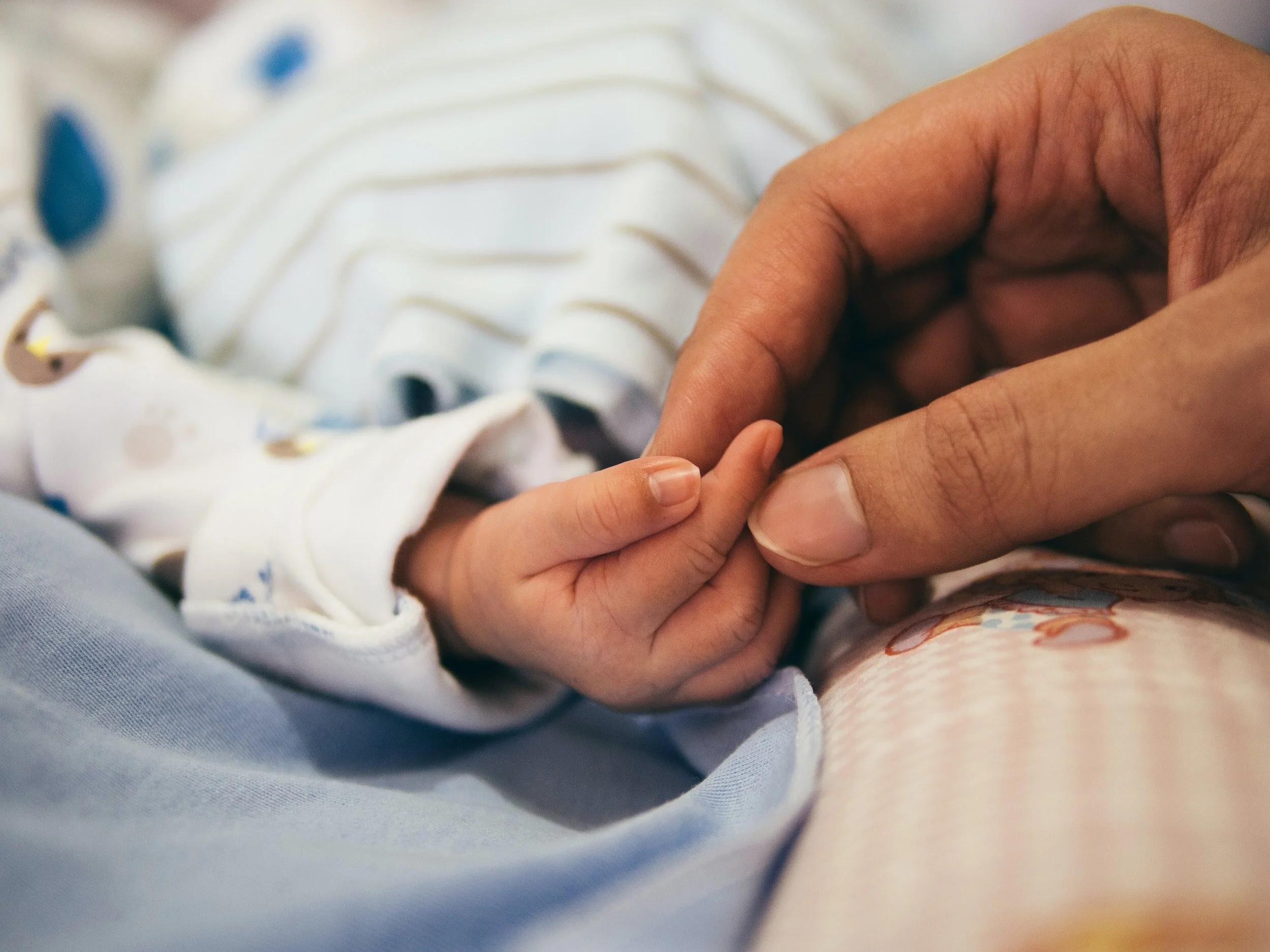
AIBD 2020: Advances in Pediatric IBD
On the final day of AIBD, the session I chose to focus on for this article was “Advances in Pediatric IBD”, which included presentations from Dr. Anne Griffiths, MD, FRCPC, Dr. Joel Rosh, MD, FACG, and Dr. Carlo Di Lorenzo, MD.
Dr. Griffiths opened with a review of the advancements in pediatric IBD throughout the year. In her presentation, she noted that early use of anti-TNF therapies are associated with remission and a decreased risk of disease progression later on in life. This led into Dr. Rosh’s presentation on when to begin treatment with anti-TNF therapies. Dr. Rosh noted that while 40% of pediatric Ulcerative Colitis (UC) patients can maintain steroid-free remission with mesalamine, the remaining 60% of pediatric UC patients are likely to need immune-modifying therapy.
When determining which biologic to use on pediatric IBD patients, Dr. Rosh listed that some of the factors include:
Time of disease onset
Biomarkers (the patient’s test results)
Safety and efficacy of the treatment
Psychosocial aspects and the opinion of the pediatric patient themself
The presentation on pediatric IBD included what was, in my opinion, a well-rounded approach to holistic care. The doctors spoke to the importance of mental health care, and other lifestyle factors that may have a role in a patient’s symptoms. The majority of this information came from Dr. Lorenzo’s presentation on “Therapeutic Approaches to Functional Bowel Disorders in Children with IBD”. In other words, his presentation covered the segment of the pediatric IBD population that also suffers from Irritable Bowel Syndrome (IBS). Dr. Lorenzo explained in his presentation that approximately 35% of IBD patients fit the criteria for IBS as well, and it is especially common in patients with Crohn’s disease. Even I myself have been diagnosed with having IBS and IBD.
This combination of IBD and IBS in patients can affect multiple aspects of a person’s quality of life, including but not limited to increased fatigue, anxiety and depression. In order to combat this negative impact on mental health and quality of life, Dr. Lorenzo outlined steps that a patient and their care team can make, which I have listed below:
Involve mental health providers earlier on in the patient’s care. In some clinics they even have providers who specialize in mental health for IBD patients.
30 minutes of daily exercise is associated with decreased symptoms. This does not necessarily mean vigorous exercise (as that can be challenging for many of us with chronic illness) - but even a walk around the neighborhood can improve a patient’s well being.
Providers are encouraged to teach parents to respond to their children with reassurance. This was associated with a decrease in pain among the children.
Symptoms may worsen with less sleep. Healthy sleeping habits can increase a patient’s quality of life.
As someone who was diagnosed at a young age, and was introduced to the world of IBD as a pediatric patient, I enjoyed this talk and seeing the advancements that are being made for the pediatric community. After attending AIBD this past week, I look forward to the future of IBD treatment and advancements with confidence and positivity.

AIBD 2020: Special Considerations in the Management of Young(er) Patients with IBD
After attending the session, Special Considerations in the Management of Young(er) Patients with IBD… And What They Can Teach Their Elders, I am inspired to hear the radicalization of care that is being conceived for pediatric IBD. Dr. Sandra C. Kim, MD, the Director of the IBD Center at the PMC Children’s Hospital of Pittsburgh, broke down the session into three parts. The first talked about the precision of medicine in Very-Early Onset IBD (VEOIBD), the second was on nutritional therapy, and lastly, the third focused on psychosocial care for young IBD patients. This is vital information as there is an increase in annual incidences of IBD pediatric diagnoses; in fact, there has been a 50% increase in children with IBD over the past decade. Children with IBD also deal with disproportionately greater costs than adults and accumulate a higher cost per lifetime. There is great importance in centering pediatric GI and adding nuance to the conversation around holistic care. Following is the breakdown of the three-part session Dr. Kim presented.
- “What I really needed to know, I learned in kindergarten: Precision medicine in VEOIBD”
o VEOIBD includes patients that are less than 6 years old and often involves a genetic disorder. It is also the fastest growing demographic in IBD patients.
o Younger patients, those with a stronger disease, and those with family history tend to have some form of Monogenic IBD, which can impact the therapy given. It is important to have this distinction made to better choose between therapy options.
o For evaluations, GI doctors will start by lab testing, searching for complete blood count and checking inflammatory markers. Other areas of interest and evolution may include Immunological studies, genetic evaluation, and histology if needed. If the disease is more complex, there could be an incorporation of other specialists including Immunology, pathology, or surgeons.
- “Let thy food be thy medicine: Nutritional therapy”
o Exclusive Enteral Nutrition (EEN) is a no-solid food, formula–based diet. According to ECCO/ESPGHAN guidelines, EEN is recommended as a first choice for induction therapy for children with mild to moderate Crohn’s Disease, especially for those patients who have not finished growing.
o Dr. Kim also provided a study specifically done comparing a combination of the Crohn’s Disease Exclusion Diet (CDED)–which includes removing animal fat, wheat, dairy, red meat, emulsifiers, maltodextrin, and carrageenan–and Partial Enteral Nutrition vs. EEN by itself. The study showed that the CDED plus Partial Enteral Nutrition combination had higher rates of remission and higher tolerance rates..
o However, as we know, timed diets as intense as these are often not sustainable. Dr. Kim points out there are real-life barriers to access nutritional diets such as these two. The biggest barriers include the time and energy being put into them and the cost of them. They are currently predominantly seen used by families in a higher socioeconomic status. I am really grateful that Dr. Kim brought up the importance of access to care and that doctors need to be in tune to be sure that the care they are providing or suggesting is truly accessible to their patients.
- “It takes a village: Collaborative IBD Care”
o Depression is present in the majority of IBD pediatric patients, and depression is increased when disease is active and steroid is used as a treatment.
o Children with IBD are shown to have a lower quality of life and social interactions are greatly impacted. Anywhere from ⅓ to ½ of children with IBD have limitations in daily life activities.
o The greatest gap in pediatric GI care noted was in psychosocial care. Specifically, patients felt there was no person to discuss transition between adult and pediatric GI treatment with. This experience is one I am sure many of us can relate to. There needs to be proactivity from both pediatric GI and adult GI providers and the process should be started well in advance.
o Other tools for successful transitioning include: utilization of checklists, educational tools, actively engaging patients and families, and written health care transition plans. Also, the dedication of clinics for adolescent patients.
o Dr. Kim offers for GI clinicians to ask the tough questions and have a comprehensive medical summary ready to go.
o Both adult and pediatric MD’s should anticipate existing gaps of knowledge and eagerly teach self-management skills to patients.
As a patient advocate with CCYAN and having received a diagnosis at a young age myself, this session gave me so much hope, specifically in regards to the acknowledgement of the impact that IBD has on a child's psychosocial development as well as validation of the toll that IBD has on a child’s mental health. MD’s, such as Dr. Kim, hear our stories and advocacy work and remind us why we do what we do.