
NEWS
RV Camping with Crohn’s: How I Reconnected With Nature After My Diagnosis
By Mara Shapiro (U.S.A.)

Featured photo by Nubia Navarro (nubikini) from Pexels.
“Look deeper into nature, and then you will understand everything better.”
I’ve always found nature to be healing, and where I’ve felt the most relaxed. Previous to my Crohn’s diagnosis I was a competitive rock climber and would frequently travel to some of the best outdoor rock climbing destinations in the United States with my climbing team. It wasn’t just the act of rock climbing or spending time with some of my closest friends, it was truly the beauty, peace, and serenity of nature that made me the happiest. I found a lot of my bliss in the mountains throughout my teenage years whether it was through rock climbing, snowboarding, or hiking.
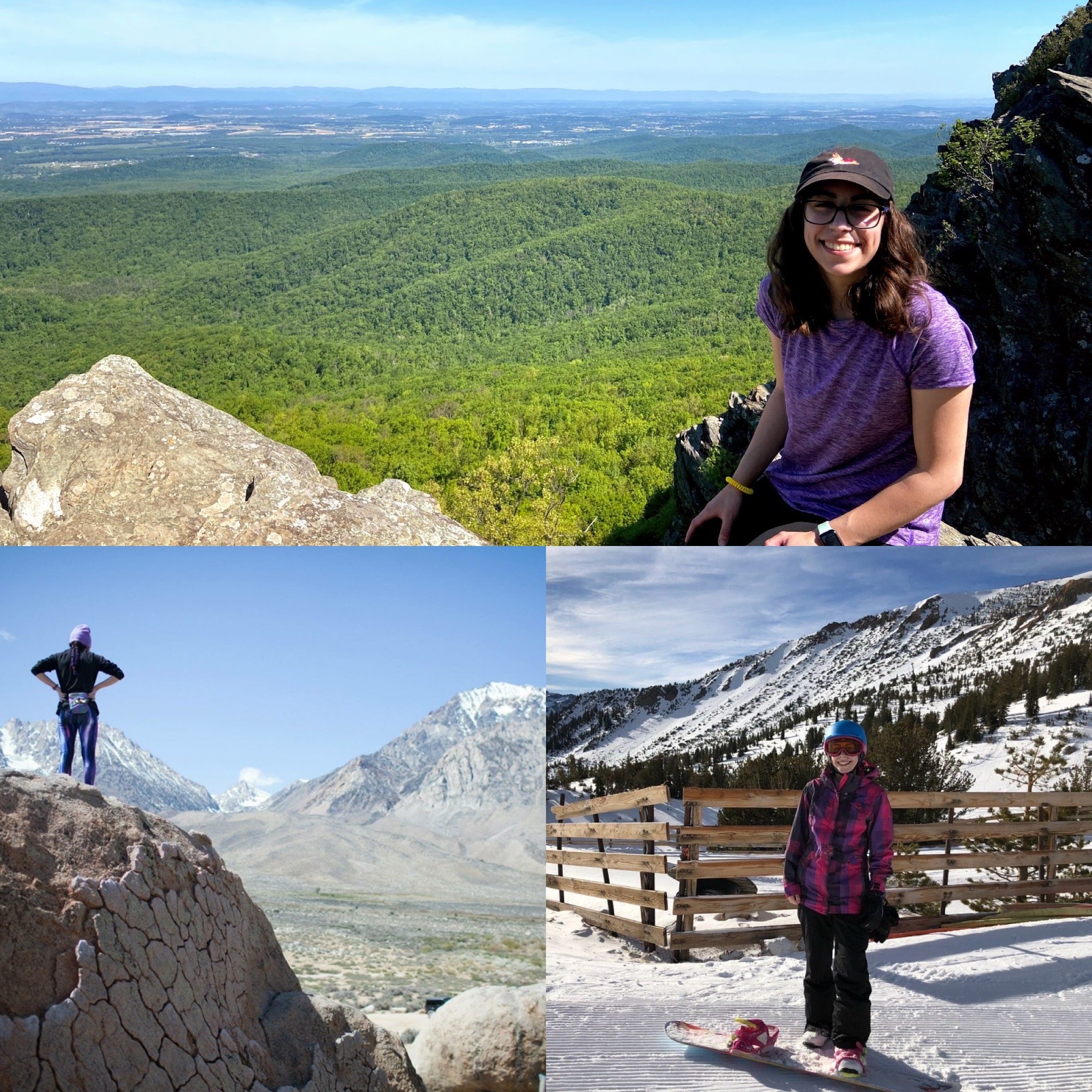
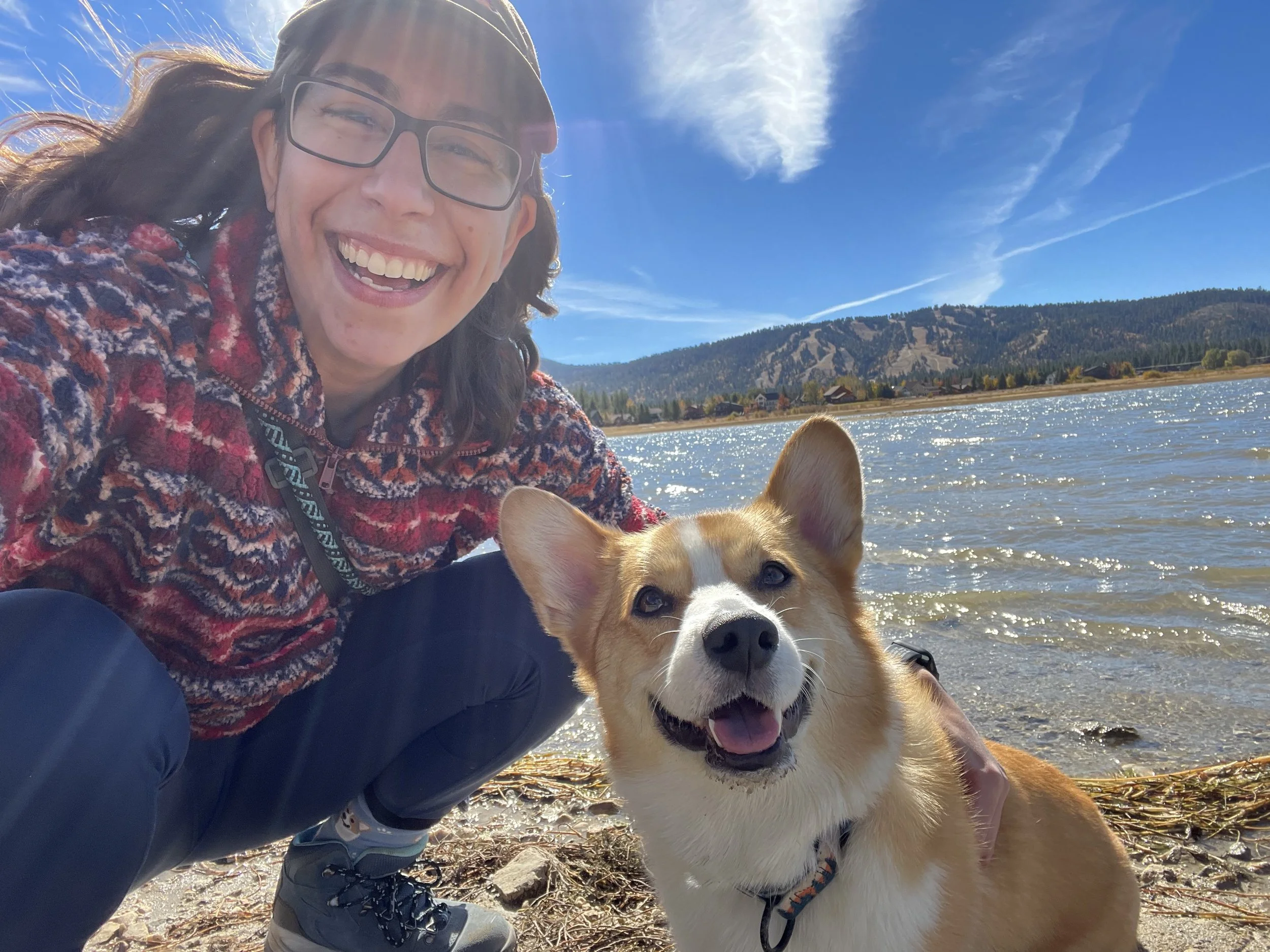
A childhood dream of mine has been to own an RV so I could camp and enjoy nature with ease and virtually anywhere. This dream became a much more realistic goal when I was diagnosed with Crohn’s disease in July 2020. I was diagnosed at the Mayo Clinic in Rochester, Minnesota and I live in Southern California. Due to the COVID-19 pandemic, it was safer for my dad and me to drive the two and half-day nearly 2000 mile trip rather than fly (we also got to bring my best friend and Corgi companion, Morty, on this road trip). I was pretty sick at the time and relied on diapers and lots of Imodium to get through that road trip, which we did a total of twice round trip that summer.
Every time we passed an RV or travel trailer of any kind I would point it out. We must have passed hundreds of them on the 2000 mile stretch of interstate. I would daydream about the day I would have my own RV and be able to just pull over and use my own private toilet whenever I needed it. Sitting in my Subaru Crosstrek wearing a diaper, you bet I was dreaming about all those RVers and how lucky they were to have their own toilet within arms reach. No more accidents, no more sketchy truck stop bathrooms… Of course, I dreamed of other parts of RV life too, and those daydreams helped me pass the time, a time that was full of such fear and unknown.
Fast forward to October 2021, I have graduated college, I have an amazing full-time remote job, and I am ready to start the process of finding and buying my own RV. After months of research, I decided on a Forest River R-Pod 190. It was a perfect size, weight, and floorplan for Morty (my 2.5-year-old Corgi and travel companion) and me. In small travel trailers like mine, the bathrooms are usually very small and called a “wet bath'' where the toilet and shower are in the same space and when you shower the entire bathroom gets wet. I was lucky enough to find a floorplan with a “dry bath”, where the toilet is fully separate from the shower! For the amount of time I spend on the toilet, I knew I needed a dry bath! Add this to the list of things that “normal” people with “normal” colons don’t think about…


At the end of November 2021, I picked up my R-Pod and camped in it for the first time! The past few months have been full of a lot of trial and error, endless learning, and many moments of frustration. I have also felt so empowered by my newfound confidence and independence. I have had so many new experiences and explored beautiful new places with Morty. I have fulfilled my childhood dream and created a new hobby and source of joy that has added so much to my life. IBD and chronic illness can take a lot from us, and can often make us feel out of control. For me, finding an accessible way to camp with my RV is one way that I have taken some of that control back.
Advice for Camping (or getting back into any hobby) with IBD
Take it slow!
I’ve learned (mostly by trying to do too much too quickly) that the best way to partake in strenuous activities is to do it slowly and at your own pace. It’s easy to look around at others and match their pace, but especially when it comes to setting up a campsite there is no rush and it’s not a race. So if I need to take a break and have a snack or drink or lay down on the bed in between setting up or taking down camp then I do! Find your pace and stick to it.
Ask for help!
Asking for help can be hard, but sometimes it’s so needed! Especially with camping, 9 times out of 10 your fellow campers are super friendly and always willing to lend a hand! As a solo female camper, I am hesitant to ask for help unless I really need it, but I have learned that there are usually kind people within an earshot who are there for you. Asking for help from friends and family to help you enjoy your hobbies is also key. Especially when flaring, I’ve been able to have my dad come to assist me with some of the strenuous camping tasks so that I could still enjoy some relaxing time in nature.
Acceptance is key!
Acceptance is a spectrum and some days and in some phases of life, acceptance comes easier than others. I have really channeled my inner acceptance narrative when I go out camping. I try my best to accept things as they are and as they come and not get too frustrated when something unexpected happens or I end up being more symptomatic than I had hoped. I could be feeling sick at home so I might as well be feeling sick in my camper in nature! “It is what it is, and I’m camping,” I say with a (forced) smile when the stress starts to build. Find your acceptance and get back to your beloved hobbies!
Whether it is camping or another outdoor adventure or trying a recipe you haven’t made since your diagnosis or trying something totally new that you’ve always wanted to try, I want to encourage you all to take that leap of faith, argue with that voice in your head that’s been holding you back, and go for it!

This article is sponsored by Lyfebulb.
Lyfebulb is a patient empowerment platform, which centers around improving the lives of those impacted by chronic disease.
Biosimilars and My Experience with Them
By Varada Srivastava (India)

Information in this article is for educational purposes only. This article reflects personal experiences and is not meant to diagnose or treat any disease or illness. This article is not sponsored and you should consult with your medical professional about any information related to your medications.
Biologics are drugs derived from natural resources and manufactured by various biotechnology methods. They can benefit patients with rheumatologic diseases, inflammatory bowel disease, malignant conditions, etc., by halting disease progression, alleviating symptoms, and improving quality of life. Biologics are one of the top-selling drugs worldwide. Still, the high cost of this drug is a major drawback, so it remains unaffordable and inaccessible to many patients. 1
Biosimilars are non-innovator or copy products of the original biologic drug. More notably, they are cheaper. The development of biosimilars allows for broader and necessary access to these medicines because of their lower cost and hence greater affordability. This improves cost-efficacy ratios and access to these drugs. India is one of the leading manufacturers of similar biologics. 1
Exemptia is a biosimilar of Adalimumab which often goes by the original brand name - Humira. Exemptia is a TNF inhibitor and anti-inflammatory drug manufactured and promoted by Zydus Cadila, in India. The dosage depends on the severity of the case.
I was prescribed Exemptia in 2016 when I was 16 years old. My first year with Crohn’s I was put on multiple medications, but none of them seemed to work for more than one month. Finally, after a year I was put on steroids (Budesonide). These came with their own set of issues but were able to manage symptoms for a while. Soon my body stopped responding to the steroids as well. The doctors and nurses had been extremely supportive and helpful but I was getting exhausted by the frequency of my hospitalization. I had missed 3 years of high school already and was wondering whether my life would ever go back to normal. The next step was either surgery or biologics. After a long discussion with the doctors and extensive pros and cons lists, my parents and I decided to give biologics a chance. That was the best decision we made, I was lucky enough to experience remission thanks to this medication.
Exemptia was relatively new at that time, having been released only a few years prior. Before starting the medicine, it was made sure all my vaccinations were up to date. CT scans & blood tests were done to eliminate the possibility of having any viruses or infectious diseases like TB. The first dose was 80 milligrams, and this was followed by 40 milligrams every two weeks. I have been on this medication on and off for six years. While hospitalizations were frequent during the first few years of starting this medicine, they have significantly reduced now. One of the biggest benefits I saw from this medication was that it brought normalcy back into my life.
I am now an undergraduate student and it's very important for me to stay on top of college deadlines, my biosimilar helps me achieve that. The administration of the injection is relatively easy as well since it's a subcutaneous injection or an injection under the skin. My recommendation would be to get a friend or family member to help because it does hurt while the medicine is entering the body. However, I have been lucky enough to not experience any side effects right after the administration of the injection like fatigue or soreness. Like any other medicine, there is a downside to this too, including recurrent infections and problematic storage conditions of the injection. The injection should always be kept at a temperature between 2-8 Centigrade (35-46 degrees Fahrenheit), which is rather challenging to do while traveling or living away from home. However, overall my experience with this medicine has been very positive despite its drawbacks.
Resource
Meher BR, Balan S, Mohanty RR, Jena M, Das S. Biosimilars in India; current status and future perspectives. Journal of Pharmacy & BioAllied Sciences. 2019; 11(1): 12-15.
Photo by Damir Mijailovic from Pexels.
Learning to Center Myself in my IBD Journey
By Ibrahim Z. Konaté (U.S.A. and France)
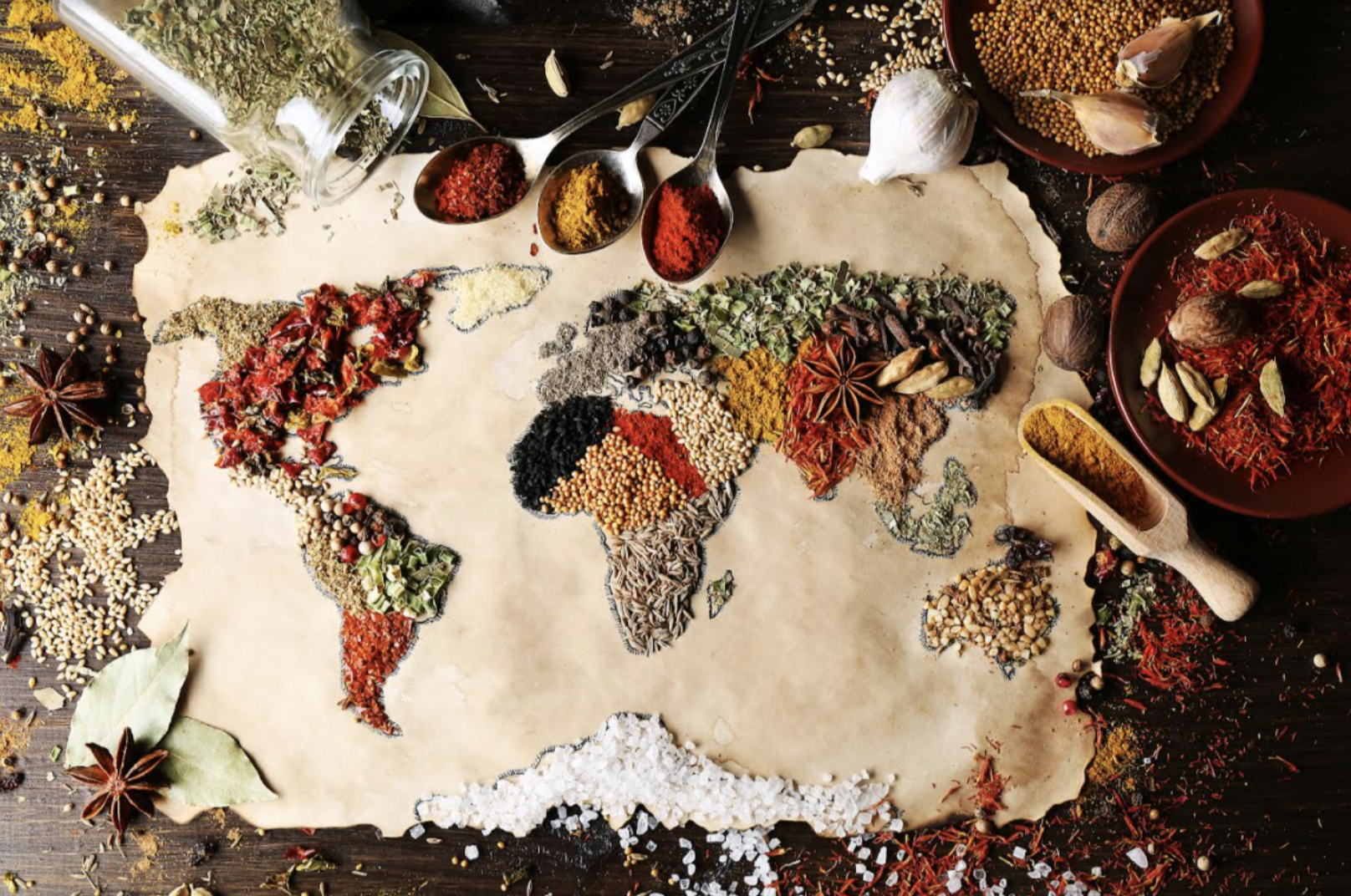
Featured photo by Africa Studio/"Shutterstock.com
Disclaimer: Nothing said in this article is medical advice. Seek professional advice from your care team before making any changes to your nutrition plan.
Food was my gateway back into my culture.
As a first-generation American, the narrative about my identity has usually been out of my control, and like so many others in my situation, I decided to focus my young adulthood on unpacking this conflict and reconnecting to my roots.
Growing up between France and Virginia, I knew Mali only through stories, pictures, and most importantly, food. When I left home for graduate school, I made sure to ask my mom to teach me all of the family recipes.
The comfort provided by these meals was essential in my life, especially leading up to my diagnosis of Crohn’s Disease while in isolation from my support system in 2020.
The initial relief I felt from receiving my diagnosis after years of experiencing symptoms was immediately followed by shock at the absence of global cuisine in IBD medical and advocacy materials. I started worrying - could it be that my culture and my identity as an IBD patient were incompatible?
There seemed to be no room for me in the IBD community because fundamental components of myself were either excluded from the conversation or labeled as dangerous. This feeling was amplified through many virtual cooking events that I attended and with most IBD-specific recipes that I found online.
It seemed as though a lot of IBD advocacy spaces were focusing on a specific lived experience and I wanted to make sure that everyone had space to center themselves within their own disease journey.
In recent years, the incidence of Crohn’s Disease and ulcerative colitis has been increasing across all demographics in the United States, with a markedly high increase for BIPOC patients. With the increasing diversity in the IBD community, it is imperative that we continue to build a space where everyone can be accepted, no matter who they are.
As a newly diagnosed Crohn’s Disease patient, I was able to meet with a nutritionist at my local IBD Center. I came out of this appointment with a lot of information about the Mediterranean and low FODMAP diets, and a list of recipes that were all inspired by western European cuisine. I decided to take the advice of my nutritionist to incorporate this Mediterranean diet into my life, but first, I wanted to break it down into its components and see if I could build up a regimen that looked more like myself.
Separating this culinary concept from its name and origin allowed me to deconstruct and generalize it into high fruit, vegetable, fish, olive oil, and whole-grain intake. Once I had these parts, I found myself able to create the dishes that my mom had taught me before I left home. There were of course minor substitutions, but the essence of the recipes and the culture that they represent were still present.
I started challenging myself to see if I could make my new dietary accommodations fit into my culture and hoped that this revolution in myself would allow others to steer their experiences in managing their condition.
This February, for Black History Month, I walked around my home of Harlem in New York City to explore food from across the African Diaspora that may fit into the deconstructed diet guidelines provided to me by my nutritionist.
Here are three dishes from local restaurants that align with the guidance from my care team or can be slightly altered to avoid trigger foods.
Gumbo - American South - Miss Mamie’s Spoonbread Too

Gumbo is a thick okra-based stew that is native to the American South. It is the official plate of the state of Louisiana and has Creole and Cajun varieties. Creole gumbo tends to have seafood, dark roux, and filé powder from the sassafras plant. Cajun gumbo typically incorporates chicken, but variations will be found for both of these recipes in different households. There is often the presence of onions, bell peppers, and celery in this stew, but any of these can be omitted or substituted if they risk triggering a flare-up.
Mafé - West Africa - Teranga

Mafé is a sauce made with peanut butter and tomato sauce. It is usually served over rice or couscous with meat. At Teranga, they prepared it with chicken but this can be served with a vegetarian or vegan substitute.
Jollof rice is also native to West Africa (my mom says that it's absolutely native to Senegal but every country seems to have its own variation and claim to the recipe!). It gets its bright red appearance from tomato paste and spices. I grew up eating jollof rice almost exclusively with fish, but it pairs well with other meats and vegan options as well. The trademark flavor can still be obtained by excluding any spices or peppers that may aggravate a flare-up.
Plantains - Africa, Caribbean, Latin America - Homemade, bought from a local market

Plantains are a fruit related to the banana that exists all over the African Diaspora. It is an incredibly versatile dish that can be a snack or an entire meal. I grew up eating them fried in oil but there are other recipes that prepare them by roasting or even with an air fryer.
This experience has taught me the importance of representation. That being a person with IBD and honoring my origins are two experiences that can coexist. In fact, prioritizing my customs allowed me to have better control over my relationship with my diagnosis.
I encourage you all to think about what traditions make you who you are today. If you do not see yourself celebrated in the diversity that is our IBD community, center yourself and find others who will support you and cheer alongside you as you make this a space where we can all be our authentic selves together.
This article is sponsored by IBD Strong. IBD Strong is a volunteer grassroots organization that provides a community of hope, connection, inspiration and empowerment to children, teens and families living with Inflammatory Bowel Disease. They believe that every individual diagnosed with IBD deserves hope and opportunities to thrive. IBD Strong’s mission is to inspire and empower individuals living with IBD to not let the disease define them.
IBD in College – Put it on your Resume!
By Isabela Hernandez (Florida, U.S.A.)


“It was a burden that I hated and equated as the worst part of myself. From the ages of 3 to 19, I treated it as this deep dark secret that I told no one about.”
I used to think that confident people were born confident, brave people born brave, and happy people born happy. An immature thought, but I believed characteristics like these were just naturally inherent. I convinced myself that I was just born to be sick with my IBD. It was a burden that I hated and equated as the worst part of myself. From the ages of 3 to 19, I treated it as this deep dark secret that I told no one about. For some reason, it was virtually impossible for me to tell friends about my UC and how it affected me. I kept everything to myself and never shared when I was feeling physically sick, or even worse, mentally drained. Luckily, I have a great family, an unrelenting support system that even when I didn’t want them to be, they were there for me. However, when someone with IBD goes to college, either newly diagnosed or a long-time patient, their assumptive world shatters. You’ve moved miles away from home with the most annoying friend you could ever think of, your IBD. At least that’s what I thought when I got to school. How am I going to deal with it? Am I going to tell people? Will they think I’m weird? What do I eat? What if I must go to the bathroom in class?
The questions were looming over me the minute I got to school. My fear overwhelmed me; it convinced me to believe that I would never find a way to integrate my UC into my new college life. I was fighting this mental battle against myself, and simultaneously seeking to get involved in any sort of organization at my school to feel more comfortable there. My university happens to be heavily research focused, and I was interested in the healthcare field. I decided to push myself out of my comfort zone and join a lab that focused on the one thing I knew the most about, IBD. It was there, in that moment that I felt empowered by my disease for the first time. I chose to openly use my IBD as a qualification, as an asset rather than a detriment. As time went on, I started to get more involved in other organizations that focused on IBD, such as this fellowship, that views one’s IBD as a contributing factor rather than a limiting one. I took a part of myself that I once hated and allowed it to become a distinctly unique piece of me. The transformative growth I underwent from concealing my IBD to using it to make me stand out was an unparalleled feeling.

“I am continuously seeking out ways in which I can intertwine IBD with my life, my work, and my interests.”
My biggest recommendation for anyone in college with IBD is to put IBD on your resume! Not literally, but in your own rhetorical way. Have it be your secret superpower that allows and pushes you to get involved in opportunities that reside in a world you so deeply understand. Work with nonprofits for IBD, get involved in research, or join a support group. Apply for scholarships for students with IBD. If you don’t happen to find any opportunities for students with IBD, start some! Start a support group or start a club exclusively for college students living with IBD. Find absolutely anything that connects you to your disease, because the minute you do this, you start to not only view your disease, but your potential, in a different light. If we as IBD patients are going to live with this forever, we might as well use it in a way that gives us the upper hand. Live a life with activities that are filled with opportunities that let you be proud to be someone with a chronic condition. Four years ago, I would have never been able to muster up the confidence to talk about my disease in the way I do. Today, the version of me that exists cannot stop talking about it. I am continuously seeking out ways in which I can intertwine IBD with my life, my work, and my interests. Every day, reaffirming that my IBD is the part of myself I am most proud of. Don’t let IBD hold you back from finding opportunities that make you feel fulfilled in a way you might’ve never known existed; use it to your advantage. It is a piece, that once embraced, can be advantageously employed in a surprisingly positive way.
Storytelling for self-growth
By Fasika Teferra, M.D. (Ethiopia)
Have you ever wondered why someone shares their stories with strangers? Regardless of the outlets people use to tell their stories, we see storytelling get used as a catalyst for change. It is a tool that most change makers are using today; that was my initial motivation to start telling my story, until I learned the true potential of storytelling. I was just beginning my fourth year of medical school. With the stress of the upcoming qualifying exam and family moving away for work, I thought the abdominal pain I had started to experience was just anxiety. Although I am fully aware of Crohn’s Disease and its symptoms, I tried to get quick solutions to resolve the symptoms.
“Regardless of the outlets people use to tell their stories, we see storytelling get used as a catalyst for change.”
From a young age, I was told to pull myself together and not show vulnerability, which was why I suffered for eight months before getting my diagnosis. I knew what the disease was, the medications I needed to take, and that it was a chronic illness with no cure. But accepting that was one of the hardest things I ever had to do. A lot of factors played in truly accepting my diagnosis and make the decision to be more knowledgable as an IBD patient, but the major one was reading stories of other IBD patients. It opened up my mind to the possibility that I could lead a normal life. That was why I started to share my story, to be an inspiration to others.
“From a young age, I was told to pull myself together and not show vulnerability, which was why I suffered for eight months before getting my diagnosis.”
Living in Ethiopia, where most doctors state that IBD is rare, I knew I needed to speak up. I needed patients to know that they are not alone and I needed to communicate with my medical community that it is not so rare. I am glad I decided to be open about telling what I went through and how I am coping with IBD and it is not for the reasons you think. Sure, I am grateful to be able to make a change; I am happy my story is inspirational to other Ethiopians and non-Ethiopians alike. However, I am so thankful for what storytelling did for me.
“Through storytelling, I learned acceptance.”
I was not in remission when I started nor did I had a clue about managing IBD as a patient. I started only 2 years into my diagnosis and did not fully accept my diagnosis at the time. Through storytelling, I learned acceptance. As I shared my story more and more, it made me want to learn more about how to manage my condition. It also helped me step back and see how far I have come because telling my story means going back from the beginning and share the how, the why, the what of each and every detail. If there is one thing I want you to takeaway from this, it is that it doesn’t matter how much you know about something, speaking about your experience is not just so others can learn from you, it is a tool to aid in self-growth and reflection. Storytelling did not change my Crohn’s Disease diagnosis or all the hardship I faced, but the story helped me, the teller, transform and grow.
AIBD 2021: Session III: C - Innovations and Approaches in IBD Care for Children With IBD
By David Gardinier
Disclaimer: This article was written after attending AIBD 2021; all information is presented as an attendee to the conference, not as a presenter.
While I was looking forward to pretty much every presentation at AIBD, I was especially interested in Session IIIC: Innovations and Approaches in IBD Care for Children With IBD. With an all star lineup of presenters including Dr. Eric Benchimol, Dr. Lindsey Aldenberg, Dr. Sandra Kim, Dr. Andrew Grossman, and Dr. Kevin Mollen, this session was a must see for me. Not only were the presenters themselves exciting, but their topics explored the growing world of pediatric IBD management. There was a lot of information, so I’ve decided to summarize the presentations in this session and highlight the key findings and takeaways.
Pediatric IBD Year in Review
Presented by Eric Benchimol, MD, PHD, FRCPC
Dr. Benchimol had the herculean task of presenting a yearly review of 2021 in just a 20 minute time slot, and he nailed it! Some of finding over the last year include:
COVID 19
Lower risk of severe COVID-19 in patients on a biologic
Higher risk of severe COVID-19 in patients taking steroids
Patients reported high amount of fear regarding developing COVID-19 and attending medical facilities
Evidence suggests a third dose of the COVID-19 vaccine will likely be needed to maintain antibody levels in IBD patients
Growth in children with IBD has improved over the last 10 years
The racial disparity between steroid prescriptions in black and white children has lessened dramatically over the past 10 years
The STRIDE-2 publication better defines targets of treatment in pediatric IBD

Diet and IBD: Translating Research into Real-Life Practice
Presented by Lindsey Aldenberg, DO
Dr. Aldenberg presented on my favorite topic: diet and IBD. I was so excited to hear this talk, and even more excited to share the key takeaways with you below:
The incidence (number of new cases) of IBD is increasing worldwide, and closely mirrors industrialization
The genetic contribution to the development of IBD is at most 30-40%; this leaves environmental factors, including diet, to make up the remainder
The gut microbiome is dysbiotic (abnormal) in patients with IBD, and diet plays a key role in shaping the gut microbiome
Ultra-processed foods have been associated with development of IBD in recent studies, and this may be due to food additives that disrupt the microbiome and the strength of the gut barrier
Exclusive Enteral Nutrition is an effective therapy in pediatric IBD and is often used as an alternative to corticosteroids or as a bridge to other therapies, medication, or whole food therapeutic diets.
The results of the DINE-CD study, which compared the mediterranean diet with the specific carbohydrate diet, showed that there was no significant difference between the diets when looking at clinical remission and inflammation.
Dr. Aldenberg’s take home points from DINE-CD were that the mediterranean diet may be a great option for IBD patients, and both the mediterranean diet and specific carbohydrate diet might have a greater effect on symptoms than inflammation
The Crohn's Disease Exclusion Diet was effective in lowering measures of inflammation in IBD, and there appears to be a response as early as 3 weeks in patients on the Crohn’s Disease Exclusion Diet or Exclusive Enteral Nutrition
There may be a subset of IBD patients who have disease that responds well to diet therapy, and this needs to be further explored with more research

Cost and Access to Care in Pediatrics
Presented by Sandra Kim, MD
Dr. Kim discussed the urgent need for better access to care for IBD patients and put a spotlight on one of the largest barriers for patients: cost. Some of the highlights from the talk are:
If patients cannot access their doctors, treatments, and medications, then the advances we are making matter less and have less impact
Cost is the biggest delay in receiving care as reported by patients
Per patient costs are greater in children vs adults with IBD
The costs for IBD patients has risen primarily due to pharmaceutical costs, of which biologics are the largest contributor
The group most affected by financial stress are families within the 50-100k earning bracket
Delays in prior authorizations have lead to an increased use in steroid use, which is a medication that pediatric IBD providers try to avoid prescribing
The concept of Step Therapy/Fail First by insurers is harmful to our patients. This policy requires patients and providers to use mandated therapies rather than those that the doctor/providers believes will be most effective. This can lead to delays in the patient getting the therapy that works best for them, and may result in a longer and more difficult path to remission
Advocacy for change in cost and patient access can be done at a individual, state, and national level
The “Safe Step” act of 2021 will allow for a clear, transparent appeals process to request exemption among other advances. Keep an eye on this bill
Social media is a platform we can use to advocate for lower costs and improved patient access

Don’t Be Late to the Party: When to Call Your Surgeon
Presented by Kevin Mollen, MD
Dr. Mollen touched on the importance of getting the surgeon involved early in the care of IBD patients. Some of points I found most important are:
Many studies highlight that surgery is a major cause of anxiety for patients with IBD
Patients often view surgery negatively prior to the operation, but afterwards view surgery positively; patients often wished that they had considered surgery earlier
A multidisciplinary approach to surgical care has been shown to improve preoperative optimization of surgery, decrease surgical complications, and likely improve patient satisfaction
An early consult with the patient allows the surgeon to:
Set expectations
Lower anxiety
Optimize the patient preoperatively
Plan the surgery at the optimal time
A poor nutritional status prior to surgery is associated with prolonged hospital stay, postoperative complications, and delayed recovery of bowel function. Short term nutritional interventions may be used to improve nutritional status prior to surgery
Any patient with UC that is admitted to the hospital for an acute flare should receive a consult from the surgeon due to the high likelihood of needing surgical interventions
In summary, it is key to communicate with the surgeon to develop a plan based on the patient’s goals to improve patient and parent satisfaction. Surgeons are a key part of the IBD multidisciplinary team

Law School and IBD
By Savannah Snyder (Canada)

Undergrad is already a daunting and tiring experience - intense classes, homework, exams, socializing, self-care. It is insanely difficult to balance it all. Throw a chronic illness such as IBD into the mix, and it becomes even harder. As many of you know, IBD can take over your life and can make working towards your goals a challenge.
My undergrad experience was full of ups and downs, from being severely ill dealing with stomach aches, joint pains, fatigues, hospitalizations, doctors appointments and more. But, I’m here to remind you and what I wish I heard someone with IBD tell me, is that you can accomplish your dreams, even with IBD.
Ever since high school I wanted to be a lawyer. I dreamed of going to a top law school. I was intimidated by the process and knew it was extremely competitive. When I was diagnosed with IBD in my fourth year of university, I thought that goal might be out of reach for me. I had to withdraw from a semester of school and move back home. I thought “how would someone like me, with holes in their transcript and withdrawn classes, be accepted to law school? How will I be able to handle a rigorous program and career while simultaneously dealing with IBD?”
Looking back, I realized I was dealing with IBD my entire undergrad experience. Instead of gaining the freshman fifteen in my freshman year, I lost fifteen pounds. I knew something was wrong each day but continued to ignore my symptoms, until I was forced to face reality and was hospitalized with a severe Crohn’s Disease diagnosis. I was scared that if something was wrong with me, I wouldn’t be able to work towards my dreams. If I was ignorant regarding what I was feeling, it wouldn’t be true.
When I withdrew from school and returned to my family home, I put my body first. I slowly came to realize that I might as well try to reach my goals of becoming a law student. I began to study for the Law School Admissions Test (“LSAT”), and spent time studying in my bed when my energy levels allowed. I started my first biologic, Humira, was hopeful it would work in time, and I booked my first LSAT 2 months away. I contacted the LSAT admissions team and received accommodated “stop the clock” washroom and pain breaks for my test. As the test date crept up, it became obvious that Humira was not working. I had to increase my prednisone dosage. I was nervous, scared, and began to lose hope. I was upset that Humira wasn’t working for me and was scared about writing a test under these conditions. The increase in prednisone brought nausea, brain fog, mood swings, irritability, fatigue, and more. When my doctor told me I had to switch off of Humira, it was too late to cancel my test. So, I decided to write it anyway. I ended up receiving my first Stelara infusion the day before the test. I told myself, this test will be a practice - and that whatever happens… happens.
I am not telling you to support the hustle culture and ignore your body. I gave myself grace around my results. I told myself if I felt negative symptoms in any way while writing, I would stop and go home. But, I was able to do it.
I wrote the LSAT and did OK and then ended up writing it again the next fall. Stelara ended up being the medication that I’ve been on ever since. I applied to law school as an access student - highlighting the experiences I’ve been through and how dealing with an illness like IBD will make me a better law student and lawyer.
I returned for my last year of school and was able to receive accommodations for exams and classes. I took a smaller class load to balance self-care and healing myself along with my goal of graduating. I’m proud to say I was accepted to my dream law school and have just completed my first semester. Although I have dealt with flares and sickness this past semester, I have reached out to accommodation services and received support. I have advocated for myself and been able to reach the dreams I had before my Crohn’s diagnosis.
I promise you, if there is something you want to do, it is possible. A life with IBD is full of spontaneity - you may never know what’s next. But, all you can do is try. Put your health first, always, but never give up on your dreams.
Photo by Polina Zimmerman from Pexels.
AIBD 2021: Embracing Novel Horizons With Intravenous Iron
By David Gardinier (U.S.A.)
Disclaimer: This article was written after attending AIBD 2021; all information is presented as an attendee to the conference, not as a presenter.
If you have inflammatory bowel disease, you’ve probably heard your doctor talk about iron at one point in time. Maybe you had to take iron supplements, or get an iron infusion because your levels were too low. Iron is a key nutrient for keeping our bodies healthy and running smoothly. Iron plays a role in physical growth, neurological development, cellular functioning, hormone synthesis, and most importantly transfer of oxygen to our muscles and cells. So if we are deficient in iron, can’t we just take a supplement? Not so fast. If that were true, there would be no need for an entire symposium on iron. There are a lot of different factors for your doctor to consider when looking for an iron deficiency and determining what treatment to use to correct it. In this article, I will take you through the wonderful presentation from AIBD 2021 covering these factors by Dr. Gary Lichtenstein, Dr. Stephen Hanaeur, and Dr. Millie Long.

One of the first topics, covered by Dr. Long, concerned iron absorption. Iron in the diet comes in two forms: Heme iron and Nonheme iron. Heme iron is found in meat, and is more readily absorbed. Nonheme iron comes from plant sources such as nuts, beans, vegetables, and fortified grains and is less readily absorbed. Dr. Long made the point that overall, we only absorb about 10% of the iron we actually eat. The average American diet includes about 7mg of iron from a mixture of heme and non-heme sources for every 1000 calories consumed. On a 2000 calorie diet, that would be about 14mg of iron per day. For reference, the recommended dietary allowance (RDA) for iron in males is 8mg per day, and in females is 18mg per day. We can see that most people get enough iron from diet alone, so why do people with IBD end up becoming deficient?
Iron deficiency is almost always due to blood loss, but can also be caused by a lowered ability to absorb iron (malabsorption) or not getting enough from diet. Unfortunately, one of the factors that can cause us to malabsorb iron is inflammation. Inflammation and blood loss are both relatively common in IBD, which leads to a scenario where we can easily become deficient in iron. If we are deficient in iron for a long period of time, we can develop anemia. Remember how earlier I said one of the most important roles of iron is in transporting oxygen through the blood? Anemia occurs in iron deficiency when our red blood cells shrink in size and aren’t able to carry oxygen as well to the rest of our body.
Iron deficiency can present in a lot of different ways. Some of the most common ways may be hair loss, cold intolerance, fatigue, and excessive consumption of substances with little to no nutritional value such as ice or cornstarch (often referred to as PICA).

So, how is iron deficiency treated? Dr. Hanaeur presented on the two main options: oral or intravenous (IV) iron. Oral iron refers to an iron supplement in a pill form that you would take by mouth, while IV refers to infusing iron directly into the bloodstream through a vein. While oral iron can be convenient and cost effective, it may not be the best choice in active IBD because like we discussed before inflammation lowers absorption. Oral iron may also cause GI side effects such as nausea, flatulence, and diarrhea. I think many of us with IBD would agree that more GI upset is the last thing we need.

IV iron on the other hand, achieves a faster response and is better tolerated than oral iron. IV iron can also have some adverse side effects, but they are less frequent than with oral iron and often do not involve the GI tract. Dr. Hanaeur also notes that IV iron doesn’t have the same issue of a low absorption that oral iron does. All of the iron administered through IV is available to be used by the body. This feature makes it a good choice during inflammation and when there is a large deficiency of iron.
Iron deficiency is common in IBD, and can contribute significantly to quality of life. It is important for both patients and providers to monitor for this deficiency and work together to correct it if found.

Q&A: Diet and IBD with Registered Dietitian Kelly Issokson
Disclaimer: The responses from this interview are not meant to provide definitive professional, medical, or other advice to someone’s personal health.
On November 11th, I had the opportunity to host a Q&A with Registered Dietitian, Kelly Issokson, answering questions submitted by the CCYAN community. Kelly works primarily with IBD patients at Cedars Sinai in Los Angeles, and she is an expert on nutrition and IBD.
While I was glad to see many attend live, I wanted to summarize the information for any of the community who were unable to attend due to time zone differences or other barriers. Below are the questions I asked, a key quote from Kelly, some of my thoughts, and my summary of Kelly’s response. If you would like to watch the entire Q&A (I highly suggest it!), you can find the link here.
What is a Registered Dietitian?
“A Registered Dietitian is considered the nutrition expert, and somebody who if you have questions about diet or nutrition, the registered dietitian is somebody who you should definitely seek out.”
I always believe in questioning where we get our information. Anybody can write articles on the internet (even me, can you believe they let me do this?!). Understanding the credibility and validity of our sources is key to making sure we are getting accurate information. I really wanted the audience to feel comfortable that they could trust the information shared in this Q&A, and thus I think it was important that Kelly gave some background on why we can trust nutrition advice from a Registered Dietitian (RD).
In her response, Kelly discussed why a RD is the person to seek out for nutrition advice. She touched on the training necessary to become a RD and how the RD is required to stay up to date on the current evidence. Kelly also highlights the difference between an RD and a nutritionist: Anybody can call themselves a nutritionist, but a RD requires years of training and has up to date knowledge on dietary therapy for specific conditions.
What is safe to eat during a flare?
“Diet is going to be very personalized, especially when you are flaring.”
This question came from somebody who was recently diagnosed, and I think a lot of us can empathize with feeling lost on what to eat during our first flare.
Kelly talks about a variety of strategies for eating while in a flare. She touches on the role of texture modification in helping people incorporate fruits and vegetables even while flaring. An example she shares is having something like applesauce instead of apples. Kelly also talks about how lactose, a sugar found in dairy products, may commonly trigger symptoms. She suggests choosing yogurt as a good source of dairy, as the fermentation process yogurt goes through breaks down the lactose.
Another strategy Kelly discusses is introducing new foods in smaller portions. This, she notes, can help give you time to see how your body will react to that food. Starting slow can also help give your gut bugs (microbiome) some time to build up. This is important, as they can help digest the food you eat and produce molecules that may help reduce inflammation! Finally, Kelly touches on how choosing low fat cooking techniques like baking, grilling, or broiling instead of higher fat ones like frying may help people expand their diet in a flare.
Do you recommend any specific diet while in a flare?
“It can be hard to know what to add or replace unless you are working with a registered dietitian or your medical team when starting a diet”
There is a lot of information on diets for IBD on the internet, and it can be tempting when you are feeling poor to pick one and run with it. I really like how this question is worded, because I think it shows a surrendering of control and a trust of the person who is the expert.
In response to this question, Kelly highlights some of the key diets with research to back them for IBD. She touches on exclusive enteral nutrition, the specific carbohydrate diet (SCD), the mediterranean diet, and the Crohn’s Disease Exclusion Diet (CDED). Kelly also makes the point that some of these diets may lead to malnutrition or micronutrient deficiencies when not done alongside your healthcare team and/or registered dietitian.
What are your thoughts on the vegan diet for IBD? Are vegan meats okay to eat while in a flare?
“There is not a lot of evidence supporting [a plant based vegan diet] in IBD...that being said, it can be a really healthy, well balanced diet. I think vegan meats are good, I think they are fine to have while flaring…that is where it comes down to personalization.”
I think this was a fantastic question from the audience. Vegans can develop IBD just like anybody else, so I think it is important to know whether they can continue their lifestyle even after diagnosis.
Kelly notes in her response that while there isn’t a ton of evidence to support it in IBD, it can be a healthy and balanced diet. She highlights the importance of respecting her patients personal preferences and values. Kelly also talks about the different types of remission, and how even if you start a specific diet and feel good you should still be following up with your doctor to make sure that the inflammation is also improving.
In talking about vegan meats, Kelly discusses the differences between a highly processed vegan meat and one made from whole foods. She talks about the importance of variety for getting all of the different phytonutrients, vitamins, and minerals the body needs to stay healthy. Overall, Kelly notes that vegan meats are fine to have when flaring, but to keep the idea of personalization (how YOU respond to a food) in mind.
What advice do you have for dealing with the anxiety around eating?
“This is a very common experience from people and it is a very natural response...so this is something that, you know, working with a dietitian and even a psychologist can really help you to re-establish those positive connections with food.”
I was really excited to hear Kelly answer this question, as this is something that I deal with often. As somebody who does fall into that category of having a lot of food restrictions, I know just how daunting it can be when trying new foods.
Kelly highlighted how this can be a normal response, especially if your disease isn’t controlled well. She notes that this is something to bring up with your doctor, and that getting the support of a dietitian and/or psychologist can really help in reestablishing a healthy relationship with eating. One piece of advice she had was to really sit with those feelings and explore them. Figure out why you feel that way. Kelly also talked about introducing foods alongside a friend for support and on the weekends instead of the weekdays.
How do you rediscover the joy of eating when you’ve lost it?
“It goes hand in hand with active and uncontrolled inflammation in the body. So once that kind of calms down your experience with food is going to be more enjoyable, more positive.”
This is definitely a big one. I just listened to a webinar where an IBD patient shared that she “eats to live” rather than “lives to eat”. We all want to be excited at mealtimes and not have it feel like a chore.
Kelly discusses the role of active disease and inflammation in making it challenging to enjoy eating. She notes that it is important to have somebody to share these feelings with and lean on as support. Kelly also talks about the role of a food journal in helping find foods that you enjoy and work well with your body.
How do you balance “healthy” nutrition with a gut sensitive to fiber?”
“I would challenge you to dissect that preconceived notion of what’s healthy and what isn’t...a healthy diet is one that meets your medical needs and brings you joy.”
I was really excited to hear how Kelly answered this question. I wrote an article earlier this year about what a “healthy” diet is and how it isn’t the same for everybody.
In her response, Kelly points out that when we remove the labels like healthy from our foods, it removes the shame and guilt around eating. She highlights how this can allow us to refocus and re-prioritize what is really important: how to nourish our body in whatever state it is in.
Closing Thoughts
Kelly also gave some key resources at the end about how to find a dietitian who specializes in IBD. She gives two places you can search: IFFGD and Eatright.org. It is important to find somebody who has the knowledge and experience in IBD to be able to best help you navigate diet to reach your goals.

Diary Entries of My Journey with Crohn's Disease
This article is by Vasiliki-Rafaela Vakouftsi from Greece.
Summary
I have recently written a diary book describing my journey with Crohn's disease.
You can read the whole book in Greek here.
The following are some parts of the book in English. Hope you like it!
Monday, January 14, 2013
Another night of unbearable pain, I did not close my eyes, when I tried to got up I fainted from the pain...
Saturday, January 19, 2013
I have no energy to do anything today.
Sunday, January 20, 2013
I am so tired and in so much pain that I cannot stop crying.
Wednesday, January 23, 2013
Another night with pain and diarrhea ...
Somewhere here I begin to realize that something is wrong.
I still remember the confusion and mixed feelings of that period. The period before diagnosis.
In all my life, I felt ashamed and embarrassed. I did not know what was happening to me, but I was sure that something serious was happening.
The “explosion”
When I look back at my life, the life before the diagnosis, I experience a strange feeling, like the one you feel for a wonderful movie for which you do not remember the protagonist. I remember specific moments, such as the endless hours I spent in doctors and hospitals trying to find what was happening to me. Many of these moments I felt alone, I felt that no one understood me.
I had no idea what was going on and how the disease - which at the time I did not yet know existed - had silently found an environment to develop. In fact, I had not even heard of Crohn's Disease. It may take some time to come to terms with your new life and perhaps at first mourn your old life. There are some stages that it is normal to experience until one reaches acceptance. Denial, isolation, anger ... Sometimes it can all be a very lonely journey.
The journey to diagnosis
My diagnosis was a long and devastating process. But even this is not uncommon, it happens many times. After I turned to several doctors without finding the coveted solution, a doctor was found who finally understood me. A little later I was diagnosed with Crohn's Disease.
The moment of diagnosis can be a shocking or even scary moment for all parties involved and not just for the patient.
The adaptation
I have now achieved a fairly good level of acceptance of the disease. I felt I had to find a way to make my life according to the new data. There were times when I fell and maybe I will fall again, but I accepted this fall as a part of my life. But I never forgot that there is a hope. It is very important to maintain a "normalcy" when living with a chronic illness.
The embarrassment and the doctor
Perhaps one of the most embarrassing things you will encounter on your journey with the disease is to open up to your doctor and reveal some more "special" things about you. In most cases, the fear and anxiety of talking to your doctor about all of this tends to diminish with time and the relationship that develops between the patient and the doctor.
The flashback
I had never heard of Crohn's Disease, I may have heard of it, but so far. I did not even know anyone suffering from it. Why should I assume that I suffer from it? Looking back now, well after my diagnosis, maybe if I had put the pieces in the puzzle earlier, my course would have been quite different.
The relationship with the doctor
When you live with a chronic illness, you spend a lot of time in the hospital or with your doctor. For this reason, we often end up choosing a doctor who inspires trust and respect in us.
Your doctor should treat you patiently and respectfully, keeping your medical confidential and giving you as much information as possible about your condition. As a patient, however, you also have obligations to him, such as being honest about your symptoms and following the instructions given to you faithfully.
The doctor-patient relationship is a mutually beneficial relationship that develops over time. It is especially important to know that your doctor is willing to listen to you and even more important that he will understand you. An indifferent doctor will face an unhappy and anxious patient.
The label
Every Crohn's disease patient is unique and different. The experiences of two patients are never identical. There are of course similarities in all cases, but each has its own unique course.
The surroundings
I often try to remind myself that although I am sick, I am not the only person affected by my illness. It can be very difficult at first to take distance from what is happening to you and see how and how much your illness has affected those around you.
Philosopher ...
No one can deny that Crohn’s plays an important role in your mind as well as your digestive system. My biggest challenge in my career so far is trying to maintain a good balance in both my physical and mental health.
Often the reminder and the embarrassing realization that "I will not get well" overwhelms me, as I have almost adapted to my illness, these days fortunately become more and more rare.
Crohn's disease is a constant challenge that you cannot overcome, just control. I now know the limitations of my body and I have accepted them all. I know I'll never be 'perfect', whatever that means, but it 's me and that' s all I have.
Accepting your body that changes and even more so the changes that the disease brings to your life, is easy in theory, but in practice it is a little more difficult.
End...
Having Crohn's Disease has radically changed my life in many ways. Not necessarily for the worse, I can add. It was, is and will be a constant mental and physical challenge. It forced me to reconsider what is important to me and who I can count on. He showed me what really matters in life: health, love and happiness.
I have learned thousands of lessons and I am sure that I will continue to learn things along the way. It made me realize how many things I can do, as long as I have set goals. It surprised me for how much I can endure and how much I have already endured.