

NEWS
Doing the imPOSSIBLE while living with IBD
By Andi Nowakowski
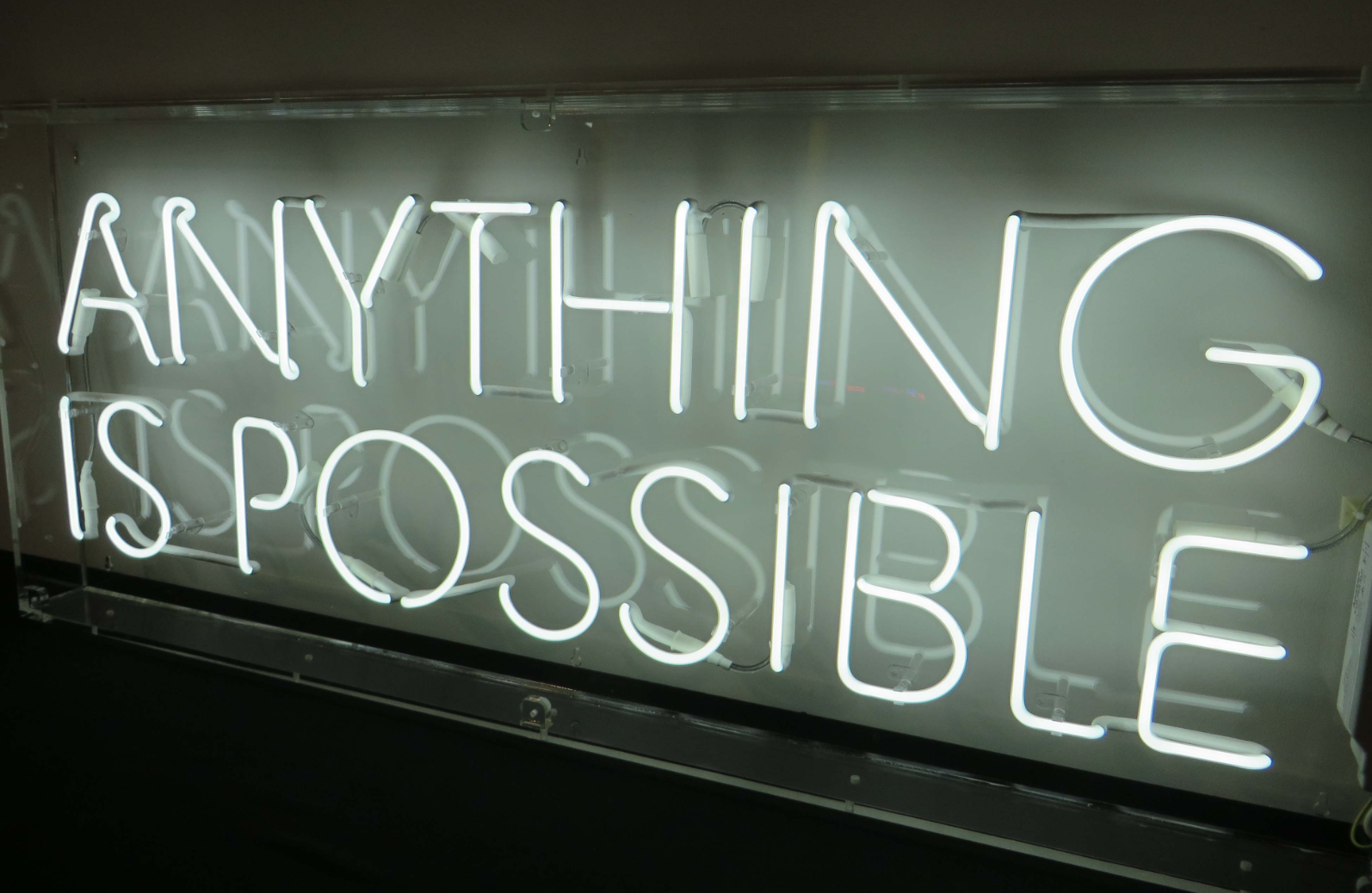
Limitations and sacrifice are an unfortunate aspect of living with a chronic condition, which is why I was very excited when, this summer, I was able to take part in an activity I’ve been wanting to do for a long time; I donated blood.
It may not sound like much, but between the numerous immunosuppressants I take on a daily basis, my Crohn’s disease diagnosis and all the issues that are in tandem with IBD, I didn’t know if this was a donation I would ever be able to make. Even so, when the company I was interning with over the summer announced it was hosting a blood drive, I decided to do some research and was surprised to find that I would likely be able to contribute!
Whew! This experience was a rewarding mix of anxiety and exhilaration. The day of the blood drive arrived, and I was asked to fill out a survey that included questions about my age, weight, specific medication use, surgeries, etc. They checked my vitals and iron levels and deduced that I was a good candidate to donate. The only thing left to do was sit down and give over some of my life-saving bodily fluids-- an accomplishment I have been dreaming about for years.

The nurse warned me to look away as she was about to place the needle, advice that, as a professional patient, I flippantly dismissed. Being an IBD patient, I am used to being poked and prodded with needles. Let me tell ya, that needle was MUCH larger than I anticipated. A word to the wise, if you have a fear of needles, you may want to keep your eyes averted at all costs should you decide to donate. In the end, it took about 15 minutes. They took a pint of blood while I sat in a reclining chair and enjoyed a well-earned snack. I was shocked at the amount of blood they drained out of me. Turns out, the average person has about 10-12 pints of blood in circulation but only needs about 8 to function normally. Honestly, though, I was really proud of myself for taking on this challenge and pushing my own limits.
Donating blood is a thankless, but worthwhile task. The person who will ultimately end up receiving your blood will never know who you are, but it is a life-saving and meaningful endeavor. For many, donating blood is a routine measure and most people probably don’t think twice about it, but for me, it was a way of giving back a little bit of good to the world. It was my way of saying, “Screw you Crohn’s.” It was my silent triumph against IBD and the limitations that come with it. The goal of this article is not to persuade you to go out and donate blood. I will say that it was physically challenging for me to do so. That being said, I do hope to inspire you to push yourself and seek out the endless possibilities that this world has to offer. Be patient with yourself and your condition, but don’t let IBD stop you from pursuing your dreams. Allow your experiences to strengthen your resolve and keep challenging yourself to experience all that you can.
As one of our founders, the late Cory Lane, used to say, “live each day like an adventure.”
Andi
Crohn's in College: The importance of understanding flare-ups and your disease
By Erin Ard

I've been living with #CrohnsDisease for 11 years, but even with years of experiences, mishaps, and triumphs, I feel I'm still learning how it affects me. One of the biggest realizations happened recently when I was in college. Around my junior year I had hit a wall. It was becoming increasingly harder to navigate my studies and my energy level was draining rapidly. I had been taking classes year round for three straight years, taking classes in the summer and having heavy, difficult course loads to accommodate my second major and research. Unbeknownst to me, I was actually neglecting my health.
I started consistent Remicade treatments in high school and the difference it made was 100 fold. I went from an underweight, fatigued freshmen to a strong, motivated sophomore. The change was so positively significant that I thought all of my worries about Crohn's were behind me. I could eat good food again! And play competitively in sports! And I carried this mindset into college. I thought my struggle was over and could focus all my energy on school.. And I carried this mindset into college. Turns out I was wrong.
After a few painful semesters I started to realize what was happening. I was starting to get burnt out, I was sleep deprived and running on fumes. I was struggling with my motivation and my anxiety was building. Though seemingly dormant, my Crohn's disease was still affecting my mind and body.
I had ignored all of the signs up until this point. The fatigue and anxiety I felt in classrooms. The random little fevers during an important lecture that distracted me. The joint pain that slowed my walk to class or hindered my ability to exercise. The gut discomfort during an exam that forced me to finish quickly to get the hell out of there. And finally the gut-wrenching pains that made it impossible to walk. Everything added up, but it took me three years in college to see.

Starting my senior year I sought accommodations from our Disability Center on campus, which alleviated most of the worries set in place by my Crohn's. However, I was left wondering.. Why did it take me so long to figure out Crohn's still had a big impact on my daily life?
Essentially, it came down to my personality and one big misconception. During the initial stages, Crohn's had such an emotional impact that I've always tried to shut it out. In shutting it out, I failed to seek out information from outside resources and tried to figure it out on my own. In doing so, this lead to one big misconception around the focal point of Crohn's disease - flare ups.
I never generally understood what they are, their causes, how to help remedy them, and everything else. See, before I went on Remicade I was in a constant state of flaring up. I was unable to get it under control long enough to have a normal bowel movement. Which meant I wasn't able to eat much and I didn't have a lot of energy. I lived off of my mom's homemade chicken noodle soup and mashed potatoes because they were the only meals gentle enough to my gut. Here is what I have learned since then.
Flare-ups are periods of time when the disease becomes active and symptoms reappear. They consist of prolonged symptoms like gut pain from inflammation, diarrhea, blood in the stool, fatigue, and/or weight-loss. How long the symptoms last and the severity of them is different from person to person. Some medication, like Remicade/Renflexis/Infliximab, is specifically used to control symptoms enough to enter remission (i.e. an absence of symptoms or inactive disease), which means no flare-ups! Medication may be combined with other meds or diet restructuring to help keep symptoms under control. Over time, however, the same treatment regimen may not have the same affect. So adjustments in type of medication, dosage or frequency, or further diet modifications may be needed. Here, this whole time, I had thought of my disease as in remission, inactive, and needing no more thought. When in reality, it's going to be an every day effort.
See this article from Very Well Health to learn more about flare-ups and different ways to define remission.

My personal tip is to pay attention to what your body tells you. Focus on whether certain symptoms are still present - do you have gut pain? Diarrhea? Painful bowl movements? Other non-gut related symptoms? Pay attention to how long these symptoms persist and take notes. This might mean your Crohn's or Colitis is still active and it's important to tell your health team. If one thing just isn't doing the trick, there might be additional options to help you reach your potential in healthy living. And if you haven't already, seek out information about the disability center on your campus!
I've recently started to pay more attention to my body's responses. What used to be my response to the question, "What can you eat?" has changed from, "Oh, I can eat anything!" to, "Well.. I'm still trying to figure that out." In all honesty, I AM still figuring it out. Though certain foods don't affect me like they did before medication, they still influence how I feel. And it is my responsibility to make sure I take care of myself by eating the right foods and not the wrong ones.
Be attentive. Always seek a better understanding. Don't be afraid to ask questions or ask for help. And most importantly, take care of yourself!
In the Name of Love: The Importance of Having a Support System
By Erin Dunne
Stomach cramps, constipation, diarrhea, fatigue, low FODMAP diet, gluten-free diet, dairy-free diet, little fat, no sugar, no caffeine, MRIs, CT scans, GI exams, Prednisone, Remicade… the list goes on and on. If you have #IBD, the chances of you encountering at least one of these things at some point in your life is very high. Some individuals have what can be seen as "easier" cases; they are put on a single treatment plan that keeps their symptoms at bay and may even lead to clinical remission. There are others that may jump from treatment plan to treatment plan without seeming to find one that ultimately works for them. Each journey of somebody with IBD is unique, and while we can empathize with others and find comfort in similarities we may share, it is easy to feel alone in this adventure. Despite frustrations we may feel at any given point, it is essential to establish strong relationships to lean into and lift us — relationships with friends, family, professors, and ourselves.
Through love, even the impossible seems practical, and with a disease that is so unpredictable, this rationale is comforting.
I have had Crohn's Disease for thirteen years now, and I can honestly say that through the years, most of my strength has been obtained through my relationships with others. For many years, I was one of the fortunate individuals that often did not feel as though I had an illness. I took two pills a day, was not restricted to a specific way of eating, and experienced few symptoms. Compared to my friends around me, the only difference between us was that I had to take medicine at certain times of the day and had monthly doctors' appointments. Despite these minor differences, I still felt isolated from others my age. In my world, I was the only person I knew with IBD and had no idea of the various severities of the same condition. It wasn't until I attended Camp Oasis- Michigan that my eyes were finally opened, and I no longer felt alone in this journey.

My third summer at Camp Oasis. Can you spot me and CCYAN Admin, Sneha?
Throughout my time at camp, I met so many people with different stories, and I was fascinated by every one of them. Not only was it wonderful to be able to relate with others my age but also to idolize the older campers and counselors for how strong they were. I returned to camp for four summers and connected with so many lovely individuals throughout the years that have helped shape my life; some of which I still am in contact with!
I highly recommend trying to include people that have experienced IBD into your support system because not only do you gain more love in your life, but also people that get what you're going through! If you're anything like me and don't have family members or friends that are familiar with the disease, it can be hard to share stories, concerns, even successes without feeling like they're not entirely understood. (Sorry mom for the various bowel movement updates, but thanks for listening!) Getting in contact with others can be very easy! Communities like CCYAN, CCFA, Camp Oasis, and any groups through universities, hospitals are all great places to start. While each story is different, we are far more alike than you would think.
Although I mentioned earlier that I had considered myself lucky to have an easier time with Crohn's, the past two years have been anything but that. With being on the same medication for most of my life, it stopped being effective and could no longer support the inflammation in my system. I have been dealing with a reoccurring flare since and have gone through various forms of treatment to try to tame my symptoms. At first, I had become more aware of food intolerances, often experiencing diarrhea, severe bloating, and severe stomach cramps. Through trial and error, I have found a diet based on whole foods (vegetables, fruit, fish, poultry, nuts) makes me feel my best but I am still finding things that do not agree with my body (rip mangoes… you will be missed). I am currently taking Humira but am exploring other medication options. Even with all of the changes I have implemented to ease my symptoms, I know I can experience much better and strive to heal my body as much as possible.

I would be lying if I said I was always hopeful during this process of finding a treatment that my body reacts best to. There have been times I have broken down due to being so frustrated with not seeing or feeling any improvement; sometimes I can feel as though I am my childhood self upon the first diagnosis, scared and alone. At my lowest times, it can be easiest to isolate myself and wallow in my self-pity, but luckily, I have learned that my support group of friends and family, although they can't relate on a personal level, are always there to listen and help to the best of their ability. Being away from home for school, I am not able to lean on my family as much as I would have in the past. Although I have always been independent, it is comforting to know that I have loved ones around that are there for me through my struggles and my successes (never underestimate the power of a hug). I have been blessed to find another form of a family at Spring Arbor through wonderful friends that I love with all of my heart. Even though we have not known each other long, it is as though I have known them a lifetime. They go through my problems alongside me, help me come up with solutions, and act as my parents when I am sick and unable to leave my dorm room.

A few weeks ago, I was experiencing terrible symptoms; I was trapped in my bathroom the majority of the weekend and did not have much of an appetite. My friends knew I was not able to walk to the Dining Commons, so they took it upon themselves to bring me bananas and easy to digest, bland foods. Another day, I had expressed frustration with not having a doctor at the moment and feeling as though my current treatment plan was not working. My friend spent her afternoon going through scholarly articles and websites to find information on healing diets, fixing nutrient imbalances, and alternative healing techniques. Other times, when we are eating out or visiting someones home, they make sure I have something I will be able to eat. To say I feel loved and fulfilled is an understatement! I cannot stress enough the importance of having a support system in your life.
Whether you're currently dealing with IBD, mental illness, body image, etc, being able to express love for others as well as receive love from them is beneficial for your brain and your well-being! It does not matter what the size of your support system is or who is in it, as long as these individuals support and love you and are positive additions to your life. I hope while reading this you have thought of a few people that are currently in your life that help you each day, even in the littlest way. I encourage you to reach out to them and let them know how much they are appreciated! If you have interest in growing your circle or want to start one, as I have previously mentioned, there are plenty of ways to get involved and meet people from your area, different states, and even around the world. The ladies at CCYAN would love to hear your stories, connect with you and help in any way possible. Feel free to contact me with any questions, or if you simply want to talk!
Stay Lovely,
Erin
New Year. New Experiences.
By Erin Ard
Hi everyone! I wanted to kick off this new year by sharing more about me, my experience with #IBD, and my goals being one of your IBD Fellows!
For a snap-shot of my life, I love creative writing, drawing, vamping up old furniture, and DIY projects. You can usually find me watching a romantic comedy with a glass of wine, playing Mario Party with my roommates, cooking up new healthy recipes from scratch, or camping at my parent's trailer in central Wisconsin. I am terrible at taking pictures, so I rely on my friends to document our adventures. I love everything about fall - the comfy sweaters, jumping into piles of leaves, and pumpkin spice flavored coffee drinks. I found a love for human ecology and nutritional sciences when I attended University of Wisconsin - Madison, #GoBadgers! I have a passion for helping others live a healthy life, especially people living with a chronic disease. I am 23 and I've been living with Crohn's disease for 10 years now.

Crohn's has had a great impact on how I live my life. It has taught me a lot about myself and as much as I like to think otherwise, still affects me today. Many of my symptoms have faded but I can name a few that decided to stick around. Hip joint pain, gut pain, fatigue, random short-lived fevers, anxious thoughts, and more. Although, I'm still trying to figure out if and how Crohn's plays a role in my anxious tendencies.
I've been on Remicade for 9 years, so its normal to see small bruises on my arms from IV tubes and getting blood drawn. One of the many perks of living with Crohn's is having people point out or question my colorful arm bruises :).
Aside from medication, a healthy, well-balanced diet has been my focus since I was diagnosed. I also try to incorporate other practices to make a healthy lifestyle for myself. I have adopted mindful practice to discern any connections between Crohn's and my mental health. It has also been a great way to manage stress, especially while I was an undergrad. I also try to stay fit by doing fun exercises! For me that is yoga, Pilates, dancing, hiking, running, you name it! I strive to keep both my body and mind strong.
Although, IBD will manifest in everyone's bodies a bit differently and everyone will have different life experiences, I believe we can all learn from each other. I don't know many people with IBD and haven't had much of a voice in the IBD community yet, so I joined the CCYANetwork to connect with others and share my views. I am using this platform as a way to connect with you and find peace by bringing this source of insecurity to the surface. I hope some of you will find thoughtful inspiration from my stories.
With love,
Erin