

NEWS

Growing Pains: IBD Lessons Learned from the COVID-19 Pandemic
In March 2020, the COVID-19 pandemic turned the world upside-down as we knew it -- that, in and of itself, is already the understatement of the year. Disability activist Alice Wong spoke of how the nation’s need for ventilators in hospitals directly conflicted with her needs as a disabled patient; Tiffany Yu, founder of Diversability, used her platform to raise awareness of transparent masks for easy lipreading access. Already, at-risk patients suffered from a lack of attention and space, only for this to be exacerbated by a public health crisis.
However, the pandemic also offered a chance for those with disabilities, and specifically IBD, to rethink our routines and lives. For example, in my own experience with Crohn’s disease, I’ve found that staying at home during the school semester had me re-thinking all my prior decisions in my relationship with food. It was, in fact, possible to regulate my diet and work in my medications without compromising my education -- the flexibility of virtual classes in university had opened up a new way of life for myself, one where I could sneak off to the bathroom during lecture without worrying about missing key points or bumping into desks.
Living with Crohn’s, it often feels as though my time is not my own. This phenomenon of constantly running on other people’s schedules is not exactly unique to Crohn’s or IBD as a whole -- in fact, it refers to a concept known as ‘crip time,’ in which society and its timetables ought to bend to meet the needs of disabled bodies and minds. It’s a community-inspired term that essentially encourages us all to work on our own time, taking up space as necessary to meet our individual body and mind’s requisites.
Whether it’s knowing where the nearest bathroom is, or having accommodations to turn the Zoom camera off, accessibility is an essential cornerstone of working with IBD. As a college student, I’ve found that communication with professors and administrators has become easier in a virtual setting, allowing for flexible office hours and minimal commute to buildings. In all workplaces, key lessons should be taken and continuously applied from the pandemic, particularly in regards to accessibility for disabled folks.
With this being said, a major caveat is that we as a society are almost always ‘plugged in’ or online -- being available on Zoom has made it near impossible to draw the (much-needed) line between home and the office, allowing professionals to work around the clock. As the world shifts back to a new state of burgeoning normalcy, may we all remember the importance of accommodating disabled folks in the workplace, in-person and virtually.
For those with IBD or any chronic illness, it is of the utmost importance that we too learn where to place boundaries in our work lives, prioritizing our physical and mental health above all.
Diversity in IBD: Being Disabled and Asian American
Almost exactly one year ago, I was diagnosed with Crohn’s disease after a grueling few months of trial-and-error diagnoses by my medical team. Truth be told, the news was a shock to my family, but not for the reasons you may first think of.
In my mother tongue, there is no widely accepted translation for “Crohn’s disease,” not to mention “Inflammatory Bowel Disease.” In a way, my Asian American identity is one reason why it took so long for me to receive my diagnosis of Crohn’s disease in the first place; my gastroenterologist had not previously thought to test for a condition that was thought to be more common in Caucasians or Ashkenazi Jews. Even amidst official resources from various foundations, it is admittedly difficult to find Asian representation within the IBD community.
As a disabled Korean American woman, I experience IBD through the lens of multiple marginalized identities. At the intersection of ability, ethnicity, and gender lies an incredibly complex set of conversations that society has yet to fully parse out and create space for.
While chronically ill and disabled folks found themselves facing a morphing status quo that was being overturned by a worldwide pandemic, their fight for accessibility and accommodations was simultaneously accompanied by embroiled racial justice initiatives. The Health Advocacy Summit has written extensively on how racism is a public health crisis, underscoring the need to include all marginalized communities in our activism efforts.
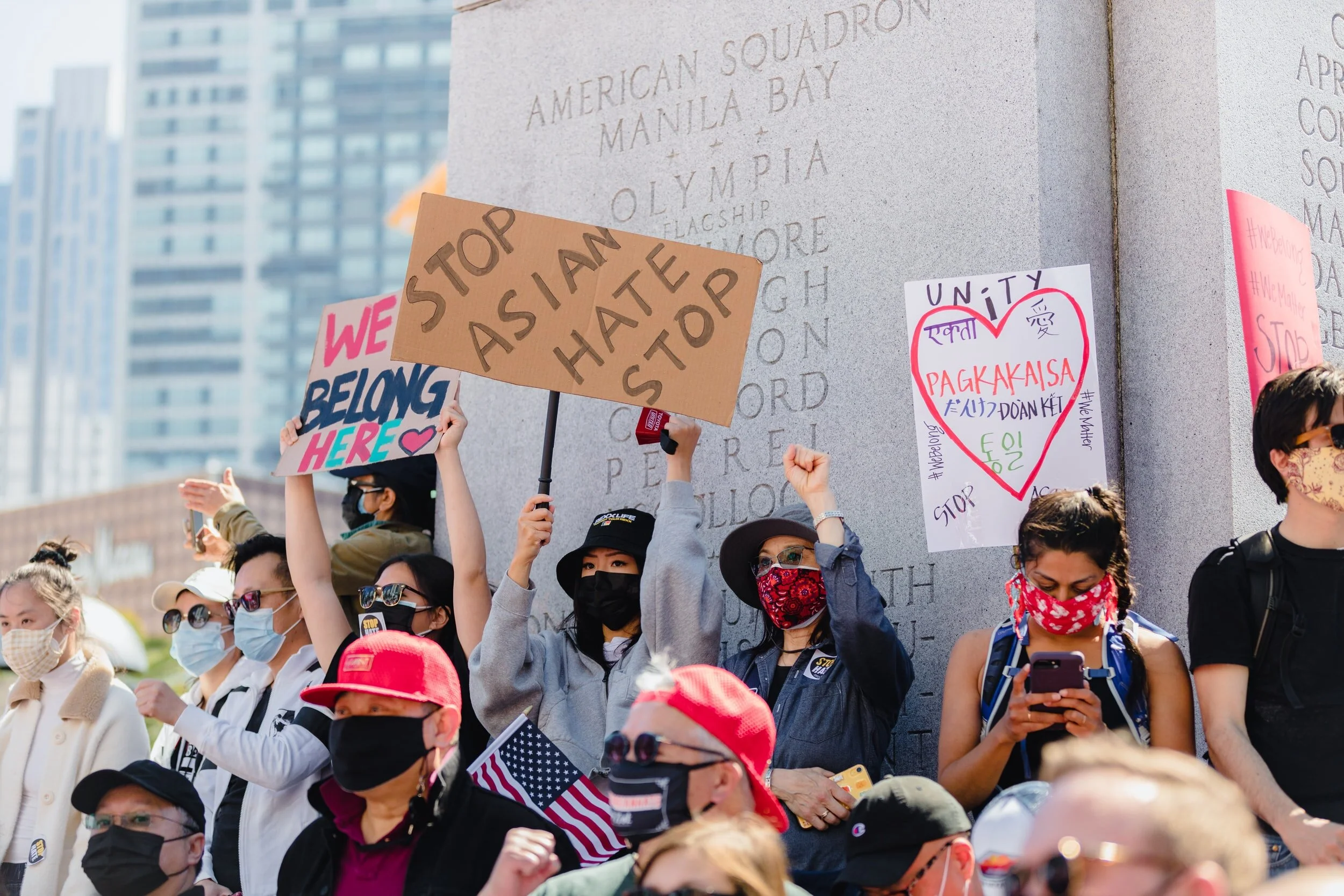
Personally speaking, I came face-to-face with the inevitable intersectionality of advocacy in the fight against anti-Asian hate. In the wake of 2020, the United States began to witness an alarming surge in anti-Asian racism that quickly escalated to violence and hate crimes. As a chronically ill patient, I knew exactly how it felt for an entire community to be marginalized, vulnerable, and at-risk, making it all the more urgent for me and my fellow student leaders to speak up against these acts of hate.
The intersectionality of these two identities is rarely discussed, yet they both mold and inform the other. My diet, my language, and my roots are so intimately tied to my Korean heritage, and in turn, my Asian American identity shapes the way I understand my chronic illness. As Sandy Ho wrote in Alice Wong’s Disability Visibility, “taking up space as a disabled person is always revolutionary,” but especially in the ways in which traditional East Asian attitudes often conflict with the mindset of the evolving American immigrant.
The same goes for the ways in which Asian culture influences food options for those with IBD. Nandani Bhanot, another 2021 CCYAN Fellow, wrote about how IBD diets and treatments are rarely created with people of color (POC) in mind, alluding to the lack of content on modified diets with traditionally Asian dishes.
Moving forward, I believe that my journey with Crohn’s disease and Asian American advocacy are not unrelated, but in fact, closely tied. Perhaps the best next step our IBD community can take is to create space for disabled POC, uplifting their stories and amplifying their voices.

"You Don't Look Disabled"
“ You don’t look disabled.
“You don’t look disabled” but some days I couldn’t go to school because I couldn’t leave my bathroom.
“You don’t look disabled” but I have to go to the hospital every two months for the rest of my life.
“You don’t look disabled” but I have tried seven different medications for the same disability within three years.
“You don’t look disabled” but some days my joint pain was so bad I couldn’t even pick up a pencil.
“You don’t look disabled” but every time I walk into a hospital I am comforted and terrified at the same time.
“You don’t look disabled” but I used to sleep only three hours every single day for weeks because my steroids made it impossible to sleep.
“You don’t look disabled” but some days I can feel my throat close up from suppressing my anxiety.
“You don’t look disabled” but I have sat on my bathroom floor feeling like I couldn’t breathe because the nausea from my medications was so overwhelming.
“You don’t look disabled” but I am. ”
I have never understood why people tell me I don’t look disabled or that I don’t look sick. What is disability supposed to look like? Disability is not singular. Disability does not look one way. Disability is diverse.
I do not want to prove I am disabled to strangers or people I know.
Though the intention behind this phrase may be to compliment me, I never feel complimented. I feel small. I feel like a fraud. I feel like I am faking my disability in some way. I feel like I do not know my identity.
It is time for people with invisible disabilities to stop being doubted for being disabled. It is time for everyone to change their perspective of what disability looks like. We must listen to others’ stories. We must stop being bystanders when people with disabilities are doubted.
Disability is not a bad word. It is not offensive. We should not be afraid of it.
I am disabled and I am proud.

This article is sponsored by Lyfebulb.
Lyfebulb is a patient empowerment platform, which centers around improving the lives of those impacted by chronic disease.

Communicating IBD
“‘Inflammatory bowel disease’ (IBD) sounds like a straightforward term — a disease of inflammation in the bowel. However, the history of IBD reveals a story of a nefariously complex set of idiopathic conditions. IBD defies definition, in part because its pathophysiology is not completely understood. For the same reason and despite substantial advances in research, IBD also defies cure. At best, IBD can be defined as a disease of disruption — disrupted physiology, microbiology, immunology and genetics.”1
Repeatedly, one of the challenges I face in having IBD is being able to effectively communicate the severity and uniqueness of the disease to my friends, broader society, and, at times, even myself. The quoted part above from the paper ‘A tale of two diseases: The history of inflammatory bowel disease’ articulates the complexity and vagueness perfectly.
I distinctly remember a time at school when my understanding of the world shifted from ‘adults know everything and humans have control over everything in this universe,’ to teachers starting to draw lines around exactly what is known to us. What’s left out were things even the biggest scientists who got us to the moon couldn’t decipher. During this mind shift, we learned about the limitless scope of space, the depths of the oceans, the uncertainty of what causes psychopaths, and having no cure for cancerous cells, among other things. I remember the fear but also a naïve invincibility that while these uncertainties exist, they will not be applicable to me or my loved ones. But IBD is unpredictable; it can hit almost anyone, at any age. And all the videos I saw on Facebook celebrating the new reaches of technology in healthcare – like that one video of a microcamera in a dissolvable pill helping doctors to see inside the digestive tract without invasive procedures – were just that, videos of research trials. The reality was always so much more ~simple~ with burdensome invasive procedures, like colonoscopies.
Medications to “manage,” not cure, IBD, are also primitive in the domain of medication, not outstanding. They always come with trade-offs – like ‘Get your colon back, but lose your bones!’ or ‘Stop bleeding, but eat like a garden rabbit for the rest of your life!’ or my personal fav, ‘Manage your illness in the gut, but leave with debilitating fatigue, brain fog, anxiety and depression! Bonus: It’s all in your head, even your doc won’t believe you.’
Living with IBD can be especially difficult due to you having to explain yourself and your situation so much. People may think you have a variant of food poisoning, or you somehow brought it on to yourself with unhealthy eating habits. The stigma about the ways in which IBD exists gives little leeway to understand the severity of it. IBD is both a hidden blessing (maybe blessing is reaching too far) and a curse, as it forces you to learn to be compassionate with yourself (that’s a big part of the closest thing we have to a cure), but shows you the irresponsibility, ignorance and pure apathy of the society around you. With cancer, for example, the pain and trauma are duly acknowledged by society. There is a sense of responsibility the society (whether that’s friends, school, work, strangers) feels to stand in solidarity and be helpful in those moments. In having a chronic illness, granted it is not cancer but still a very traumatic on-going experience, there is no assumed empathy-net provided in those dark moments.
For people like me, with social anxiety and people-pleasing tendencies, explaining the gravity of what you’re going through can be an impossibly difficult task. As I’m nearing my 5th year of having IBD, I confess I still go back and forth between playing it down to not take away from anyone or carrying resentment for people who could not understand in the past. On my best days – enjoying my iced coffee and spicy Indian food - I invalidate myself and ponder, did I really have it that bad or was it all in my head? On my worst days - on my knees, clutching my abdomen or sweating with AC at full blast at 3AM at night - I bitterly revisit the hurtful comments I’ve received over the years. Life has to go on, and in going forward, IBD patients need to build a society that holds space for them.
Here are short notes on how I hold space for myself, and ask people around me to do the same:
1. On Badtameezi
In South Asian families, roles in a family are decided according to the age and relation. For example, a younger person, even if more experienced in a certain field, is not allowed to voice his/her opinion on some subjects; it's called badtameezi.
Badtameezi is the South Asian society’s way of manipulating you to exist in a way they deem fit. Practicing privacy, setting boundaries, cutting off from anxiety-inducing family members, and decision autonomy are just a few examples of being a “bad” person. All of the above are obviously necessary for a person with a chronic, stress-related illness, so it becomes important to choose whether you want the badtameez label and health, or tameezdar label and continuously deteriorating health.
2. On Comparison
In the South Asian diaspora, the competitive spirit is a prominent aspect of life. India is the second most populated country on Earth, soon to be first, and resources are low, perhaps that’s why competition is high. While healthy competition is important in bringing out qualities like hard work and ambition, competition about health crosses lines over to absurdity. Yet, this is quite common. A simple “No, it’s not the same,” or “No, I feel like you’re not understanding what I am dealing with,” or “I’m very sorry you had to go through that. My illness however is very different because…” can suffice. If they’re open to it, you can open up about it more.
3. On Self-Invalidation,
It’s useful to journal during flares, not only for the benefit of your mental health, but also to keep track of your feelings on the worst days. To check in with yourself during those times makes it easier to not invalidate your experiences later on. I don’t have the discipline to keep journaling daily, but every time I am in physical pain, I do grab a pen and notebook to jot down my mental state and thoughts, and I refer back to it in times I forget what my experiences have been like. It’s also helpful to engage with a support group; the conversations around other’s experiences with triggers, symptoms, tests, doctor’s visits, work, friends and family can help you understand and navigate your own. Disclaimer though, everyone’s experiences are different in all the dimensions of the disease; your lived experiences will always be unique. Lastly, I like talking to someone who’s seen me at my worst to remind me how it really was, and that it was not all in my head. This could be a close friend or family member.
4. On Unsolicited Comments,
Just call them out on these. It’s 2021, people need to stop commenting on your weight gain/weight loss and any other changes they see in you, irrespective of whether it's due to your illness. A simple but firm statement like “If I need your opinion, I’ll ask for it,” or “I like it this way,” can help establish a boundary.

Navigating Relationships with IBD
As someone chronically ill, feelings of guilt, FOMO, and loneliness can be all too familiar. The severity and unpredictability of IBD can take a toll on the relationships you have with others, including romantic interests, friendships, family members, and coworkers. When i was diagnosed with Crohn’s Disease at the young age of twenty one, i quickly became frustrated that my poor health was holding me back from participating in classic twenty something year old activities. My unpredictable and debilitating symptoms made it difficult to leave my house, to follow through with plans, and to eat and drink at restaurants and bars. At the beginning of my journey with Crohn’s Disease, I was overwhelmed with feelings of loneliness and guilt when I had to miss out on my college friends' activities. I kept my symptoms and diagnosis to myself, not really allowing any of my friends to understand how to include and support me.
Sharing your IBD diagnosis with your partner, friends, and family is a terrifying and overwhelming experience. Naturally, we strive to hide our vulnerability, but I hope to deliver advice through my own personal experience to help nurture your relationships and ensure you receive the support you deserve.
My best advice is to share your IBD diagnosis with the people you surround yourself with. We cannot control how others react to our diagnosis, but we can control what we share with them. I often tried to hide my illness from others, and then became frustrated when disagreements arose over my frequent cancellations from flares as well as feelings of loneliness from no one understanding what I am going through. It’s important to allow those close to you to know what you are dealing with. Remember, someone that loves and cares about you will not be scared by your diagnosis, they will want to support you and be there for you in times of need. The first thing you need to do is allow them the chance to show up and support you. Be honest about how your disease affects you, whether that be generalized as last minute cancelations or going in-depth about the symptoms you experience.
Remember your self worth. You may have inflammatory bowel disease but IBD does NOT define you. You have amazing, unique and loving qualities that make you amazing with or without IBD. Whenever I have trouble separating myself from my IBD diagnosis, I write down 5 things that I love about myself, whether that be my passion for helping others, my love for animals, or anything else that makes me, me!
Ask for help. Be honest about your needs as someone with IBD, especially when flaring or on colonoscopy, infusion, injection and surgery days. Your friend or partner might not know how to best help you. Try to be honest and communicate your needs and wants to your partner, friends, and family to be best supported.
Create boundaries. Every person with IBD has different needs. Be honest about what you like and don’t like. Create boundaries with friends and family, especially about unsolicited advice or anything that may bother you. Has everyone heard the ‘you should try ___ (sub: yoga, veganism, meditation, etc.) and you will be cured’? My advice to create boundaries without offending a loved one is to express your appreciation and thanks but highlight how every person with IBD is different and that advice like this negatively affects you. Again, put yourself first. If someones advice or actions are bothering you, speak up and share that with them. Most of the time, people are only trying to help and this will help guide them to most effectively support you.
As someone dating with IBD, the psychological aspect that can join a chronic illness, along with physically feeling sick, can create obstacles in relationships. Communicating with honesty will allow all parties to a relationship to feel loved, wanted, and respected. I truly hope these tips will help you navigate and make the most out of your relationships.

World IBD Day: What's Something You Wish People Knew About Living With IBD As a Young Adult?

"What’s something you wish people knew about living with IBD as a young adult?"
Savannah:
As a young adult with IBD, I wish others knew how hard it is to balance nurturing our health while also taking part in classic twenty something year old activities. Not only do we have to focus on our health everyday but we are also navigating the world, discovering who we are and what we want to be. IBD doesn’t define us and our goals, but it sure does impact us on a daily basis and creates significant barriers.
Andre:
Having IBD as a young adult robs you of fully experiencing your youth. Most of us are diagnosed between the ages of 18-26. These are formative years that will influence the rest of our lives, but we are not afforded the opportunity to experience the same highs as our healthy peers. This does produce a high level of perseverance, but the isolation and FOMO will always be present.
David Gardinier:
I wish people knew how much energy is at a premium for us. I feel like with IBD, I have a set amount of energy each day. If I use all that energy up during the day in my internship, I don't have any left for the rest of the day. This is especially true when I go out and play ultimate frisbee. I wish everyone else knew that I am not just being lazy halfway through the game, but that I actually get tired twice as fast as everyone else even though I am doing the same amount of work. It can be frustrating knowing that my disease will hold me back from performing the same as other people the same age I am. The more people that know how much fatigue impacts young adults with IBD, the more empathy will exist surrounding this disease in our population.
Jennifer:
Tackling a chronic illness as a young adult is overwhelming, to say the least. To fight a disease that can neve be cured, while simultaneously trying to figure out who you are and what you want to do with your life -- well, that’s hard enough as it is. I hope people can be compassionate towards young adults with IBD, realizing that we are battling a fight they may not always see.
Sara:
Many people have the wrong conception about young adults who live with IBD. They think having IBD is karma, especially for those from Asian countries because their life is filled immensely with strong cultural and religious beliefs. This thought that IBD is caused by Karma is unacceptable and should not be entertained. Living with IBD is not karma; in fact IBD patients are warriors. Young adults with IBD are brave and super strong people. In today's world, they face so many challenges in their daily life, such as family, relationships, finances, and social pressure. But still they never give up in overcoming those challenges and prove their life is beautiful.
Nathalie:
I wish people knew that living with IBD as a young adult does not make me too weak to handle things. Sometimes people keep things from me to protect me or because they think I’m going through too much to hear about someone else’s life. I believe these intentions are honestly kind, but it’s okay to ask for my support. My normal is different from a lot of other people’s normal and that's okay. I don’t feel like I’m going through too much and I don’t feel weak, my IBD isn’t tragic, it is just a part of my life.
Kumudini:
I just wish that people knew it's normal for any human being to use washroom the number of times one wishes. Moreover, nobody is voluntarily willing or would like to time pass there. Its absolutely normal to miss appointments and give us the space of silence. We did not invite this disease by unhealthy eating habits. We never would like to refuse any yummy food, it's just that we love our intestine so much and we do not want to dump it with something which doesn't suit it.
Vasiliki:
Getting diagnosed with a chronic illness such as IBD is always a difficult condition. It is even more difficult when you receive this diagnosis at a young age. You suddenly find yourself dealing with issues that have to do with your health; you try to find ways to improve your health and balance the daily life of a young person with the life of a chronic patient. This is not always a straight line, sometimes you encounter obstacles and difficulties, but with will and effort you overcome them and move forward. The most important thing for me in this whole journey is to find allies who can support you and help you effectively. Αnd of course in no case do not give up your dreams. Τhe difficult days will come and go, but life is in front of you even if sometimes it is cloudy. Remember that you are more than your illness!

Disability Makes Me Feel Colorful
When I was first diagnosed with Crohn’s disease, I remember hating myself. For so long, I was so angry at the world. I was angry because I couldn’t run anymore. I was angry because I was in pain. I was angry because I felt like I wasn’t capable of anything.
The stigma of disability is often composed of beliefs that people with disabilities are too sick to do anything, are not capable, and weak.
Years later I realized the only reason I hated myself and hated my disability was because society made me believe that having a disability was the worst thing that could have ever happened to me.
People would frequently tell me things like I should reconsider what I wanted to do with my life because of how my illness would impact me. I have been told that it was surprising I could even do what I have done in my life. I have been told that I would be in pain forever.
I have had doctors not believe in me. I have been blamed for my illness. I have been shamed for my weight, for not eating enough, for not trying hard enough, for being too tired, for eating too much “fast food” and an endless stream of hateful and hurtful words.
Sometimes even members of my own family would shame me and suggest I caused my own illness. I think that hurt the most.
But they could not have been any more wrong.
Living with a disability allowed me to see my black and white world in color for the very first time.
My disability gave me inspiration for my future career. It allowed me to realize what my true passions and dreams were. It allowed me to appreciate the smallest, tiniest things that no non-disabled person would ever be able to notice. It opened up the door for new hobbies. It empowered me to focus on my mental health. More than anything, it gave me a second chance at life.
I live for myself now.
I started painting which is weird because I used to only be able to draw little doodles on the bottom of my notebooks.
I do yoga when before I would over-exercise and tire out my body.
I found out about Trader Joe’s vegan chocolate chip oatmeal cookies with coconut (only after the very serious hunt to find snacks that were IBD friendly for me).
The air tastes better. Songs are not even songs anymore; they are seven different melodies and sounds happening at the same time and I can appreciate every bit of it. Every time I take a step without pain, it makes me feel like I am walking on clouds. The sun feels warmer.
I feel colorful.
Personally, my disability was the best thing that could have ever happened to me. It is difficult. It is painful. It is exhausting.
But it does not make me weaker than anybody else, less capable than anybody else, and I do the same things anybody else does, and I do it while I’m sick too.
This article is sponsored by Lyfebulb.
Lyfebulb is a patient empowerment platform, which centers around improving the lives of those impacted by chronic disease.
Tribute to Khichdi - A South Asian IBD Comfort Food


Note: While Khichdi is regarded by many as a nutritious, can-do-no-harm food, and has existed in ancient ayurvedic literature (ancient Indian medicinal journals) as a food that cleanses and heals the digestive system, the food is not a one-stop solution to IBD, and there is always the chance that it does not suit everyone’s bodies. My views are not medically backed, as I am not a nutritionist, dietician or doctor; I talk about my journey of IBD with a food that has become dear to my heart (and tract).
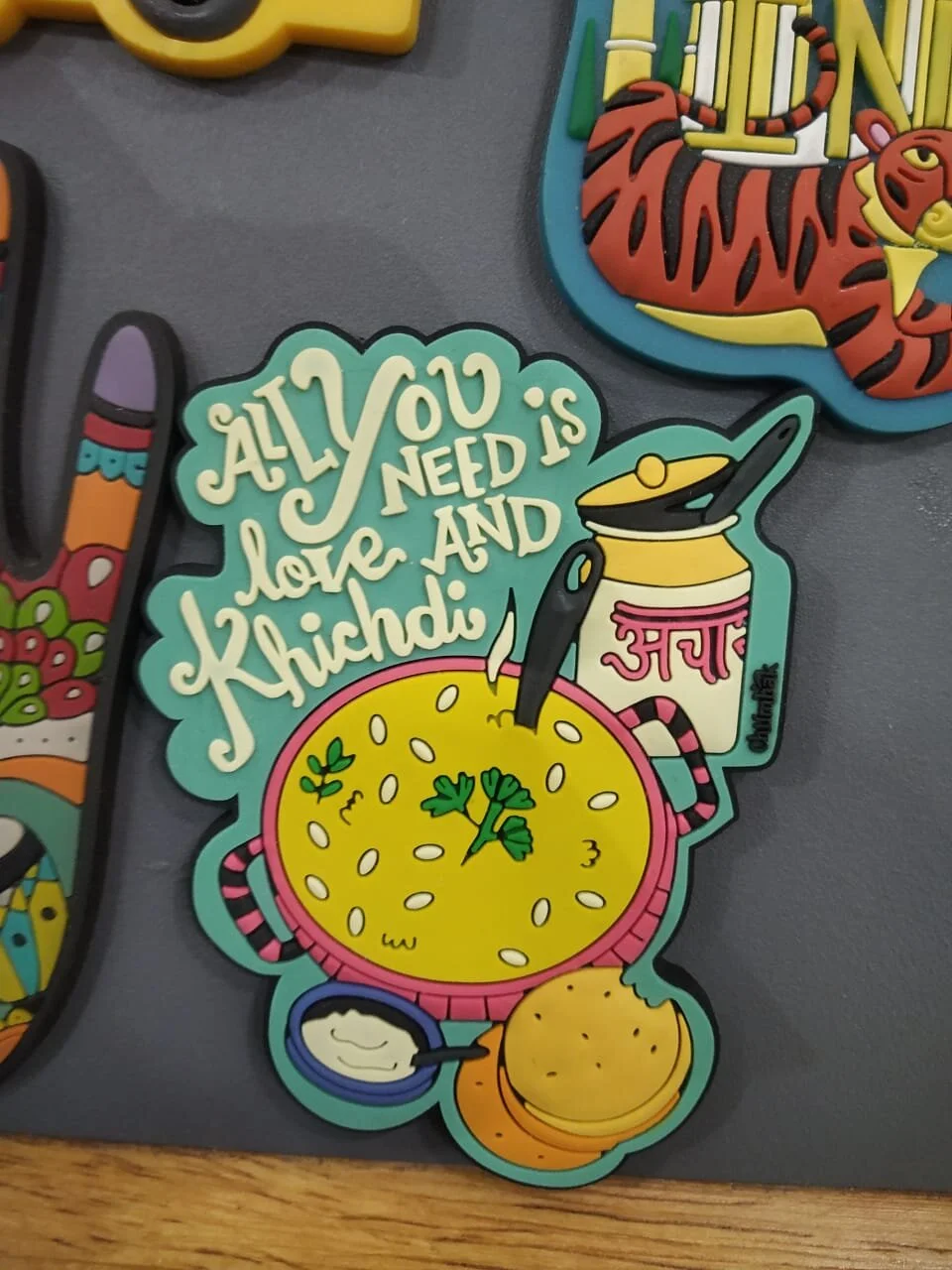
Khichdi has a soft spot in the hearts of many South Asian people, not limited to just the IBD folks. It’s appeal to such a diverse diaspora over a varied amount of time is amazing but not surprising, due to its flexibility in becoming anything it’s fans desire. In India, a country with many inequalities, khichdi is a dish that can both dress up fancily as a wholesome comfort food for some, and strip down to a humble meal that provides a day of nutrition for others, becoming a unique thread that ties the polar opposite lifestyles of the rich and poor of India. It simultaneously also acts as a thread connecting the ill and healthy, with Ayurveda texts prescribing it as a staple meal as part of a larger lifestyle free from illness and pain, but is also a very popular meal outside of Ayurveda. It has its place in popular literature1, journals of travellers2, was chosen to be the main showcased food for World Food India 20173, has a dedicated restaurant to capture its varieties4, and is used widely as holy offerings in Hindu temples5. The meal has countless variations in all the states across the country, retaining its quality of being a trusty comfort food at its core, a pretty big feat considering all the various ways the states of India differ so widely.
When I first started showing symptoms of Ulcerative Colitis, among my many concerns, one big one was how my diet was going to be constricted to only khichdi. For a lot of the South Asian community, this restriction to their diet as they were diagnosed/even now when they show symptoms, is very relatable. I had observed a few years of my brother’s diet with UC before I started showing symptoms myself, and I cringed at how disciplined he was expected to be in eating bland khichdi, oftentimes for multiple meals, for days, weeks, even months at a time. My first few years of having UC, I followed the same path for the first couple of years, following treatment only in the Ayurvedic realm, which required many bland bowls of the rice meal. It’s safe to say I was sick (not the IBD way) and tired of it. It wasn’t until I was out on my own, in rural India for the first time, that I realized my need and dependence on the food I had come to rely on so much after learning to listen to my body. During my first few weeks of being in a remote village managing my flare ups, I was uncomfortable on many levels, and yet my memories shine with gratitude for the few times I was able to successfully find and/or be invited for a warm and simple meal of khichdi. It had effectively found a place in my heart as the one and only food that I could rely on, even in the remotest of places.
Below are my recipes for a flare-up version a and normal version I like to enjoy as my go-to comfort food:
Plain Khichdi (Flare-Up Version)
Ingredients:
1 cup rice (any, preferably broken)
¾ cup lentils (yellow mung split)
7-8 cups water
1-2 Tbsp ghee (clarified butter)
½ tsp turmeric
Salt to taste
Steps:
Wash rice and lentils in a bowl, and add to a pot on a stove.
Add salt and turmeric and bring to a boil.
Cover and put in on a medium-high heat. It will take 15-20 minutes to cook. It’s best to keep stirring occasionally and checking to get a porridge-like consistency.
When cooked, pour into a bowl and add ghee on top. Enjoy!
Khichdi with Vegetables (Normal Version)
Prepare Khichdi same as above.
For the Vegetables:
Ingredients:
2 inches bottlegourd, peeled and diced
1 carrot, peeled and diced
1 green bell pepper, diced
1 tomato, medium sized, diced
1 onion, medium sized, diced
1-2 Tbsp ghee
¼ tsp garam masala
¼ tsp paprika
Salt to taste
Steps:
While khichdi cooks, heat up a frypan with ghee.
Add the onion. When the onion turns translucent, add the tomato.
Add salt so the tomato mushes up quicker.
Add the carrot and cover the pan. Keep stirring occasionally. If needed, add water to fasten the cooking.
When the carrot is soft, add the bottlegourd. Cover the pan and let it cook, checking from time to time.
After the bottlegourd is cooked as well, add the bell pepper.
Depending on how mushy you like you bell pepper, add your spices (garam masala and paprika) and remove from heat. Keep the pan covered for some time.
Plate on top of the bowl of khichdi. You can add more ghee on top as per your liking. Enjoy!
Khichdi is generally paired with plain yogurt in India, as well as pickles and papadum (crispy lentil chip).
1 https://www.moralstories.org/birbals-khichririce/
2 https://www.thebetterindia.com/119823/khichdi-history-brand-india-food/
3 https://seachef.com/khichdi-gets-ultimate-boost-to-be-promoted-as-brand-india-food/
4 https://khichditgf.com/
5 https://metrosaga.com/indian-temples-and-their-prasadams/

Invisibile Disabilities
When we hear the word disability, our mind goes to a wheelchair, mobility problems, deformities and everything else obvious.
But is disability always visible?
The answer is no. Disability is not always visible.
Society's prejudice and stereotypes about disability want the individual to show obvious signs of disability. Inadequate information, distorted perception and misinformation perpetuate these stereotypes. People with chronic diseases, such as some autoimmune diseases, but also other diseases, often have nothing in their appearance that openly displays their disability.However, people with these diseases experience a form of disability, vital functions of their body are affected and their lifestyle is shaped accordingly. The professional status of the individual and / or his socialization and integration into society can also be affected. They depend on expensive treatments, they need several hospitalizations, surgeries, etc.And as if that were not enough, they have to fight a battle as "invisible" in a society full of prejudices and stereotypes, a society that discriminates against their disability.
I do not think there is anyone who does not want to be healthy; everyday life is hard in a society that daily degrades your dignity. Almost every day you have to prove yourself, and explain again and again..because you have an invisible disability. And to be treated in the worst way, because you do not fit the mold they have as a given.
Is the state responsible for this situation? Of course state has a great responsibility.It is the state that has the obligation to educate and sensitize the citizens about the various forms of disability, to cultivate mutual respect. It is the state that has the obligation to ensure the conditions for the integration of people with disabilities in society, to give people with disabilities equal opportunities for education and work, insurance and care. And above all, the state is the one that, in the difficult economic and social conditions in which we live, has a DEBT to protect people with disabilities and to defend their rights.
People with disabilities do not ask for sadness and pity, they ask for equal treatment.
But let's start with something basic: Let us not judge others by their appearance. We never know what battle they are fighting and what is hidden behind their appearance and their smile.

Calling in Sick and IBD
Hustle culture - committing your life to your job and career - has become normalized and even expected in young adults. After graduating university, many find their self worth linked to their career, earning promotions, competing with coworkers, and impressing your boss. As a twenty something year old with Inflammatory Bowel Disease, the struggle to balance work with your health is never ending.
Those with a chronic illness understand not to take life for granted and that each day can be as unpredictable as the next, but we often forget this and get caught up in prioritizing a career over our own health and wellbeing. Calling in sick to work is inevitable, everyone has to do it at some point in their lives, whether it’s for a mental health day, the flu, or a flare-up. Yet, there are so many negative stigmas around missing work and around prioritizing your body.
The feelings of guilt that come with calling in sick to nurture your body, whether you see your body deteriorating, know a flare is coming, or if a flare comes out of the blue, can be overwhelming. The stigma associated with hustle culture and calling in sick can feel disheartening. I have always had a hard time taking a sick day, and I always felt like I was letting my boss and coworkers down and that I wasn’t worthy of employment. Intense feelings of frustration and annoyance invaded my mind when debating whether to call in sick and these intrusive thoughts caused my body more stressors on top of being physically ill. I often remind myself that prioritizing my body is my number one job. Without my health, I wouldn’t have a job and I wouldn’t be able to participate in all the amazing experiences life has to offer.
A helpful comparison to calling in sick is the safety instructions reviewed when boarding a flight, right before take off. The flight attendant always reviews the emergency instructions, stating that if the plane were to lose oxygen, you are always to put on your own oxygen mask before helping someone else. Putting yourself first will enable you to not only succeed at your job, but also to succeed in other aspects of life. If you were to ignore your body’s signals that you need rest, you will become more sick and risk the most important thing, your health.
You are not weak, undeserving, or less important than your colleagues and friends because you need to call in sick more often than the average person. You are strong, resilient, and brave. We battle a viciously unpredictable disease that many do not understand. Do not let your worth be measured by whether you call in sick. I challenge you to listen to your body and honour what your body is saying, you never know how far you will fly until you respect and love yourself and with that includes respecting your body’s limits.
Recently, I took two sick days at work due to a small flare up and my boss and coworkers were overly supportive. Although feelings of guilt surfaced when I was making this decision, the second I returned to work, everyone showed how much they cared about my wellbeing.
If you are experiencing toxicity in the workplace, contact the Human Resources department. If your company does not have a HR department, set up a meeting with your boss or manager. If you continue to be pressured to not take sick days, to put your job before your health, this may be time to look for another job and boss that cares about you and allows you to put your health first.
On this note, being able to call in sick has undeniable privilege. Many people across the world are unable to call in sick without suffering financially or being penalized at work. Openly having these hard conversations during the hiring process or with your HR department will contribute to breaking the stigma and providing accommodations for those that are chronically ill. It’s important to speak with your boss or HR representatives regarding sick leave, paid sick days, and working from home options. Speak up to your government representatives and express the need for a handful of mandatory paid sick days across your province or state.