The Holiday Gatherings with IBD

By Linda Yoo from Washington, USA

Holiday gatherings can be filled with not only excitement, but also anxiety. Sometimes at holiday gatherings I spend time with those who are closest to me; however, there are times when I spend long periods of time with those I do not frequently see. Awkward conversations and unfamiliar places can be a part of the holidays. Especially with holiday travel, it can be a bit hectic and frustrating with airports having long lines and packed planes. But overall, I always enjoy spending time with friends and family. Depending on my dietary needs and IBD disease state, my requests and accommodations might change. But for the most part, I try to keep to the following tips and tricks for holiday gatherings.

My tips & tricks for holiday gatherings:  

Communicate my food accommodations with the host directly and work something out, or offer to bring my own dish to the gathering. 

  • Sometimes hosts have trouble accommodating unfamiliar dietary restrictions; it can be helpful to give examples of items I might enjoy and brainstorm with them.

Communicate with others my boundaries that keep me emotionally, physically, and mentally safe. 

  • “I need to nap. I will meet you later for dinner.” 

I do not feel the need to share any information I am not comfortable with sharing. My business is my business. 

Try to prepare early, whether it is buying or wrapping gifts.

Find a place in the gathering location where I can just disappear for a bit to relax, gather my thoughts, or hide from others. Sometimes, I just need some time alone or want to escape from the constant conversations. 

If I am in a flare…

  • I will pack my “flare bag,” which includes an extra pair of under garments, pants, deodorizer, wipes, and any medications. 

  • Depending on the gathering, if anyone asks why I changed my pants, I either tell them what happened, or I just say I got a stain on my pants from accidentally spilling my drink-oops!

  • I will ask the host if I can use another/more private bathroom. 

If I am traveling…

    • Find some activities and time at my destination to spend by myself or someone I am comfortable around.  

      • Drinking coffee while walking around the lake

    • Bring something that reminds me of home. 

      • A pillow cover that smells like home 

    • Prepare for the holiday travel rush, and have a backup plan. 

    • Pack any IBD medications and a “flare bag” just in case.


Especially as the holidays get closer, I find that hosts of holiday gatherings can be stressed. To help everyone prepare, it is crucial to communicate with others about any requests and needs early. I have always struggled with asking for help or accommodations because I feel like a burden. I have come to realize that my comfort and safety are paramount! From my experience, hosts of gatherings want to make sure every guest is taken care of. It is so important to remember that everyone deserves to have a safe, fun, and relaxing holiday!

Featured Photo by Margerretta from Pexels

Advocating for IBD Patients in Washington, D.C.: A Journey Towards Improved Healthcare

By Karen Mancera from Florida, USA

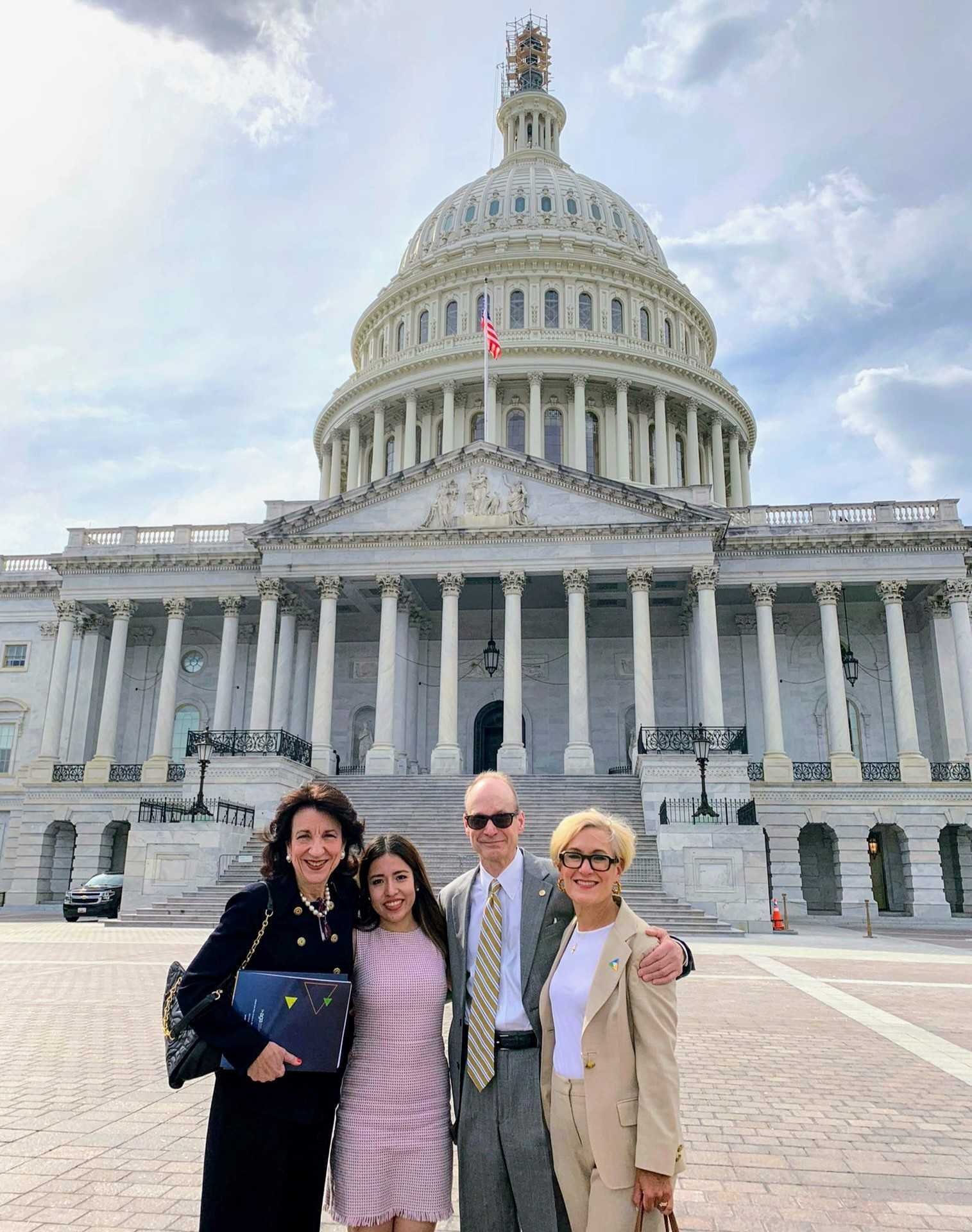
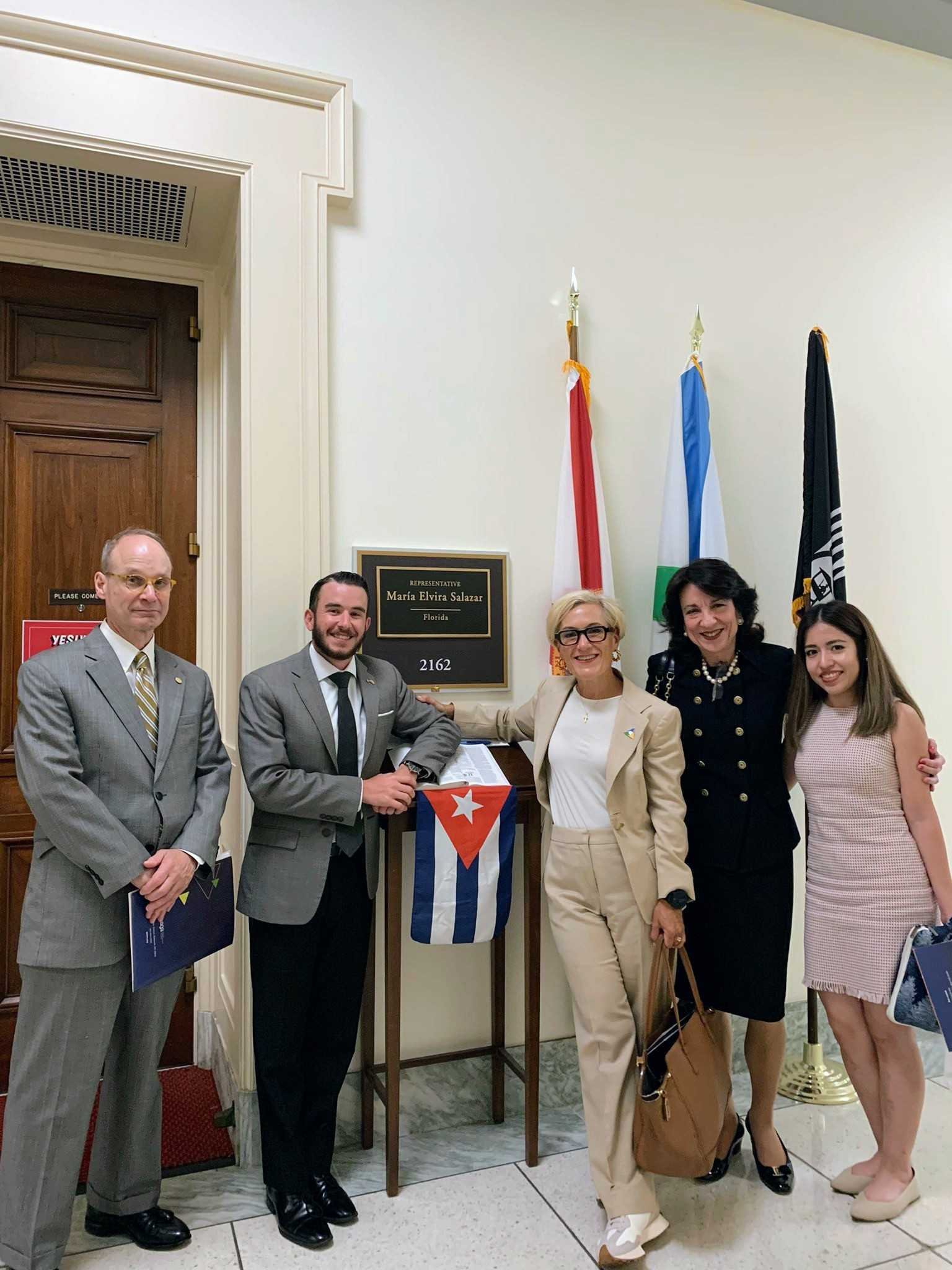
In the heart of our nation's capital, I had the opportunity to bring the voices of Inflammatory Bowel Disease (IBD) patients and the medical community to the forefront. As both an IBD patient and a researcher, I had a unique perspective to share. Together with multiple dedicated gastroenterologists and several other patients, we ventured to Washington, D.C., to advocate for increased accountability from insurance companies, reduced prior authorizations, increased research funding, and enhanced support for healthcare professionals.

The Call to Action

For those unfamiliar with IBD, it is a chronic and often debilitating condition that affects millions of individuals worldwide and its incidence continues to increase. Managing the disease is a lifelong commitment, involving a complex blend of medications, surgeries, and an array of physical and emotional challenges.

Over time, one thing became increasingly clear to me: the healthcare system could do more to support IBD patients and the professionals who care for them. This realization led to the decision to advocate for change in the heart of American politics.

Preparing for the Journey

Our mission to advocate for IBD patients was planned by the American Gastroenterological Association (AGA) during their annual leadership summit. Joining me were several passionate social media advocates and expert gastroenterologists who had seen firsthand the challenges faced by their patients and their staff.

Before our scheduled activities, we participated in a media training to complement our advocacy efforts in our local communities. AGA also prepared us with extensive research and data to support our message, emphasizing four critical areas for improvement: increased accountability from insurance companies, reduced prior authorizations, increased research funding, and enhanced support for healthcare professionals.

Meeting with Representatives

Armed with our resources, we had a series of meetings scheduled with congressional representatives’ staff. Sharing our first-hand experiences, we discussed the immense hurdles faced by IBD patients and the healthcare community, while underscoring the necessity of change.

Our stories focused on the crucial need for increased research funding to advance treatment options and understand disease etiology. We highlighted that research is a lifeline for patients who often exhaust all available treatment options. We asked our representatives to advocate for greater financial support and press for transparency on decisions imposed by health insurance companies.

Reducing Prior Authorizations

One major roadblock in the treatment process for most patients is prior authorizations. These require physicians to obtain approval from insurance companies before certain treatments or medications can be prescribed. The result is often frustrating delays and complications.

Our plea to reduce prior authorizations resonated with our representatives. We explained how this measure could streamline the treatment process, giving patients quicker access to the care they need, and providing doctors with more flexibility to determine the best course of action. Our message was clear: reducing prior authorizations would improve the quality of life for IBD patients and make the jobs of healthcare professionals more manageable.

Enhancing Support for Healthcare Professionals

This was also an opportunity to advocate for the unsung heroes in the IBD community: healthcare professionals. The demands of treating patients are significant, and their job is made even more challenging by endless administrative tasks and insurance hurdles.

The gastroenterologists who joined us, recounted their experiences with burnout and the vital need for more support and resources. We urged our representatives to explore solutions, such as addressing issues with medicare reimbursements, and reducing administrative burdens.

The Power of Collaboration

Our journey to Washington, D.C. exemplified the power of collaboration and advocacy. We brought our personal stories, our dedication to patients, and our collective experiences to Capitol Hill.

The result was a promising commitment from several representatives who pledged to champion our cause. We found common ground, recognizing that improving the lives of patients requires a multifaceted approach involving legislative changes, increased research funding, and better support for healthcare professionals.

A Promising Future

Advocacy is a long-term and challenging endeavor. However, it was a significant step towards a brighter future for IBD patients and their healthcare providers. The path ahead may be challenging, but with the dedication and resilience of individuals and organizations who share our vision, we have every reason to be optimistic. Our voices were heard, our message delivered, and our commitment reaffirmed.

Featured Photo by Anna Lowe from Pexels

Art Therapy Interventions for IBD

By Divya Mehrish from New York, USA

As a result of the unpredictability of their debilitating symptoms, inflammatory bowel disease (IBD) patients often struggle with severe loneliness and isolation. Therapeutic interventions focused on community-building can create safe spaces for patients, who can develop meaningful connections with others battling similar issues. Support groups can help patients maintain a “healthy emotional balance.” (1) While some groups are dedicated to discussing difficult experiences in explicit ways, group drama therapy and online expressive arts therapy (EAT) can “better…serve” patients who want to experience shared empathy without having to focus on the negativity of their diseases. (2) The collaborative nature of joint performance therapy provides a low-stress and “playful form of support” in which patients can lean on each other as they step outside of themselves, temporarily embodying characters and identifying a new sense of self beyond their disease identity. (3) Moreover, drama therapy deliberately integrates psychotherapeutic approaches. (4) However, community drama therapy relies on continuity and the establishment of a consistent group of role-players in order to maintain a trusting space in which participants feel comfortable taking these risks.

Conversely, EAT can be integrated into scalable virtual therapy platforms that are accessible to many individuals at once. (5) Actively-flaring patients who cannot travel to clinics for in-person sessions can still commit to online EAT. Ultimately, it is consistency that is most critical to a patient’s ability to maintain remission—not whether the therapy takes place in-person or online. While there has been significantly more research conducted on music and visual arts interventions for patients with chronic diseases, in-person drama therapy and online EAT offer patients the unique opportunity to liberate themselves from the constraints of their illness identities and take part in an immersive role-playing experience that integrates mind and body.

Featured photo by Shiva Smyth from Pexels


References

“Depression and Anxiety,” Crohn's & Colitis Foundation, accessed February 5, 2023, https://www.crohnscolitisfoundation.org/mental-health/depression-anxiety.

 Lora Williams, “Integrating Expressive Arts Therapies into Facilitated Online Therapy Groups for Adults: A Review of the Literature,” DigitalCommons@Lesley (Lesley University, May 2022), https://digitalcommons.lesley.edu/expressive_theses/401/.

 Molly Weinberg, “Using Community Dr Using Community Drama Therapy To Support Adults with Crohn's Disease and Ulcerative Colitis,” DigitalCommons@Lesley (Lesley University, March 2020), https://digitalcommons.lesley.edu/expressive_theses/356/.

 Ibid, 9.

 Lora Williams, “Integrating Expressive Arts Therapies into Facilitated Online Therapy Groups for Adults: A Review of the Literature.”

Another summer to remember as an IBD camp nurse

By Linda Yoo from Washington, USA

In the summer of 2023, I returned as an IBD camp nurse.

IBD camp is one of my favorite events of the year. My experience at camp the year before really changed my perspective on the importance of my work in IBD research and the need for safe places for people with IBD to be themselves. At camp, we do not need to explain much; we all “just get it.” There is nothing weird about taking medications, needing a break, going to the bathroom, and listening to your body at camp. The beauty of camp is really our connection with IBD, whether it is personal or professional, and our empathy for one another. 

This year was particularly special because it was after the pandemic. We had Mike McCready from Pearl Jam, come share his story about IBD and answer questions from campers. He even stayed to gift and sign records, and take photos with the campers. It was special for young campers to see someone who is famous have IBD.

Also, this year, the campers could interact with one another more. Although we were cautious, the fears of Covid-19 were no longer looming over us. We had a larger healthcare team that consisted of a range of professionals, such as dietitians, nurses, physicians, and mental health counselors. Everyone played a key role in the health of our campers; I found it interesting to learn about the different ways our skill sets could be used to tackle health problems.

Throughout my time at camp, I was reminded of the importance of creating a multidisciplinary healthcare team to treat and manage IBD. Every person with IBD deserves a team that can help address multiple aspects of health and life! I learn something new every year at camp, and I once again leave IBD camp with beautiful memories!

Featured photo by mododeolhar from Pexels.

5 Things I've Learned Living On My Own

By Laurel Dorr from Maine, USA

I have been away at college for the last couple of months, and although I am living semi-independently in a dorm, it’s the first time I have lived away from my parents.

Below, I talk about 5 reflections and lessons that have come up as I learn to live with inflammatory bowel disease (IBD) in a new environment.

1. What you need is not “too much.”

Fortunately, my college has provided several crucial housing accommodations for me. Yet I have found myself avoiding eye contact when people asked me about my roommate (I have a single room), or hesitating to mention the attached bathroom when someone asks about my room. I kept unconsciously feeling like these were awkward details, or even like I was “bragging” about my living situation.

But these accommodations, along with several others, have made my life so much more manageable. And if anyone has a problem with it, they have never said so to me. Don’t let fear or shame keep you from asking for what you need. I can’t imagine what my life would look like without these supports.

2.  It’s okay to be alone. 

I have often felt out of place here, for a number of reasons; not least because I am a transfer student, and slightly older than a typical undergraduate. There are also health concerns to consider: for instance, I can’t safely do things many of my peers do, like drink alcohol, go to crowded parties, or even stay out late. (No judgment against those who can!)

For one reason or another, I haven’t forged many deep connections or friendships yet, and frequently find myself studying or eating at the dining hall alone. But, I don’t see it as time wasted.

Instead, I have used this time to get used to being alone, and focusing on self-care. My body is experiencing just as much upheaval in this new environment as my social life is, and taking the time to acclimate and get comfortable with it has been beneficial to my health. I will find the right people eventually—but for now, my attention is where it needs to be.

3. However… part of self care is doing what’s best for you.

Even when it’s uncomfortable. When I talk about being alone, I don’t mean to say that I haven’t tried new things or put myself out there. I know that it is easy for me to self-isolate. Sometimes, it was even necessary, when I was sicker than I am now. But that isn’t always best for me. So while I cherish my alone time, I also try to step out of my social comfort zone.

For example, I usually set aside time for at least 1-2 campus activities (clubs, events) per week. In general, I also avoid eating or studying in my dorm room as much as possible—even if that just means reading in my floor’s common/lounge room, some days. Baby steps!

4. Doing the hard things is just as important as resting. 

I know I need time to rest and recharge, but it has taken me awhile to get on a good schedule and routine. College classes are hard enough, but living semi-independently makes it even more challenging. For instance, taking time each week to do things like laundry and cleaning, walking some distance to dining halls and classes across campus, attending office hours and extracurriculars—all of it builds up, and usually takes more time than I anticipate.

What has helped me is cliché, but true: setting up a schedule, and sticking to it. If I put off a difficult homework assignment until the last minute, it ends up taking away from my relaxing time in the evening, which makes the next day that much more exhausting, and I start putting off even more work. It’s a difficult cycle to break, but the way I feel and function when I manage my time well makes it worthwhile.

5. Make your space somewhere you want to spend time. 

I have also found it helpful to make my space feel refreshing and comfortable. Although I try not to spend too much time in my room, that’s not always possible. Some days, my IBD symptoms make it harder to leave.

Rather than let my environment add to that stress, though, I make sure to keep my curtains open and my space tidy; I have decorated with nature-inspired themes, like potted plants, artificial vines, and floral bedding; and I made sure to fill the room with cozy items, like a soft area rug and plenty of pillows.

These are just a few examples of how I manage my IBD within college life and living (more or less) on my own. However, it is an ongoing learning process for me. What have you learned about living on your own with IBD?

Featured photo by Ja Kubislav from Pexels.

Not only a doctor, but a dear friend too: An IBD patient's perspective

By Mahder Ayalew from Ethiopia

Medical care is a fundamental human need and patients should feel comfortable when seeking medical attention from doctors. However, this is often not the case as most patients find it challenging to open up about their health issues. In this article, as I promised in my very first article (Can I be happy after a Crohn’s diagnosis? I say, yes you can), I will narrate my experience with my doctor who assisted me in tackling a health problem related to Crohn's disease and helped me to improve my lifestyle. I will emphasize the importance of the doctor-patient relationship in ensuring successful treatment outcomes and acknowledge the effort made by doctors in treating us as friends rather than just names on a paper.

For a long time, I had been afraid of consulting doctors. Being in their presence triggered extreme fear, making it difficult to communicate my health problems effectively. This fear resulted in me frequently avoiding medical attention until the situation necessitated immediate attention.

However, all this changed when I met my current doctor. He is a compassionate and understanding person who put me at ease and made me feel comfortable around him. He always took the time to listen to me without judging, and this made me feel that I could trust him with my health concerns.

My doctor focused on building a good rapport with me, which made our interactions not intimidating. He understood that patients come first, and he always took his time to explain the reasons for different tests, medications, and the importance of complying with the treatment regimens. He ensured that I understood the processes and reasons for each step of my treatment.

My doctor realized that fear was a significant obstacle to my healing, and he went above and beyond to ensure that I felt at ease during my consultations. He encouraged me to speak up about my worries and any issues that I may have faced during the treatment process.

My doctor's dedication and compassion were instrumental in helping me to overcome my fear related to doctors. I have become more confident in seeking medical attention, and I have started taking responsibility for my health.

The relationship between patients and doctors is an essential aspect of successful medical treatment. Patients must feel comfortable trusting their doctors with their health, and doctors should nurture this trust by treating their patients with compassion and empathy. My experience with my doctor was transformative, and I would like to thank all doctors out there who treat us with respect and care for our well-being. The doctor-patient relationship can make all the difference to a patient's healing journey, and it is a vital component of the medical profession.

Photo by Savvas Stavrinos from Pexels.

Invisible Echoes of Time

By Tanisha Singh, India

Amidst the tapestry of life's embrace,

In shadows woven, subtle grace,

A dance unseen, yet deeply felt,

A yearning heart, in silence dwelt.


The symphony of youth's sweet tune,

Sings melodies that soar and swoon,

Yet in the wings, a quiet ache,

A space where dreams and pain partake.


A canvas painted, hues askew,

A masterpiece, both old and new,

Brushstrokes of strength, resilience true,

Yet some days dim, the colors few.


Whispers of echoes softly speak,

Of battles fought in shadows' creek,

To face the sun, or fade away,

The choice is made with each new day.


In chambers deep, the secrets lie,

A silent struggle, veiled in sighs,

The journey of a hidden fight,

To rise above, reclaim the light.


Oh, missing fragments, lost in haze,

In twilight's grasp, where moments graze,

The heart's desires, suspended, wait,

For life to beckon, to liberate.


So let the world unveil the cloak,

Embrace the scars, no shadows evoke,

For in the struggle, truth resides,

A tapestry of strength abides.


"Invisible Echoes of Time," they say,

In missing moments, hearts hold sway,

The dance of life, both wild and slow,

In absence found, we bloom and grow.

Featured photo by Him_83 from Flickr.

From the “I” to the “We”: Bridging the Audience Divide

By Divya Mehrish

The HUMIRA TV Commercial, “Not Always Where I Needed to Be,” follows the story of a young female bandleader struggling with Crohn’s Disease who achieves remission because of choosing HUMIRA as her new medical treatment. Narrating her own story throughout the advertisement in the first-person voice, this Crohn’s patient gains credibility and wins the audience’s trust early on. Kairos—the contingencies of time and place—shape the rhetorical purpose of this direct-to-consumer ad by addressing the urgency for treatment. According to the CDC, about three million adults reported an inflammatory bowel disease (IBD) diagnosis in 2015, a significant increase from two million in 1999. With no cure for Crohn’s, it is critical to connect patients with different drugs that may support their unique health journeys.

Given that Crohn’s Disease is not a widely discussed illness, impacting only 1.3% of American adults, the pharmaceutical company must make a wide-reaching and exciting case for why Crohn’s is worth treating with HUMIRA. The commercial faces a significant rhetorical challenge: to appeal equally to existing Crohn’s patients and members of the general public, distinct groups that can both act on the pharmaceutical company’s exigence—to sell more HUMIRA. By constructing a memorable narrative arc that accurately represents the experiences of both a Crohn’s patient and the general public, with an emphasis on social dynamics, the ad satisfies both constituencies. With a clear opening and end resolution, the commercial’s story arc is hierarchically structured to convey a message of hope and optimism to all its viewers, thereby expanding its potential reach. By emphasizing the relevance of HUMIRA’s potential for those who suffer with IBD and those who do not, the commercial convinces Crohn’s patients to take agency over their health by switching to HUMIRA while also urging relatives or friends of the patient to help them make this choice.

The ad’s opening portrayal of the social repercussions of a Crohn’s flare successfully appeals to both IBD patients and the public by sensitively showcasing the patient’s pain while framing the scene within a community context familiar to any viewer. The ad begins by following the protagonist’s sudden departure from three group settings associated with her role as the lead singer in her band: a recording booth, band lunch event, and stage performance. Each shot contains similar elements (e.g., woman clutching her abdominal region, wincing in pain, and inhaling sharply) that suggest her flare-up is inhibiting her participation in social activities. Although every Crohn’s patient experiences different symptoms, abdominal pain is common. Therefore, a Crohn’s patient watching this ad could relate to the protagonist’s physical experience. Moreover, each shot showcases her emotional isolation from her group as well as a tinge of guilt she feels for letting her group down, consequences of flares most patients can directly relate to. Blurring out her peers, the shot focuses on how the woman’s pain makes her feel isolated. This sensitive representation of IBD, which holistically considers both the physical and emotional consequences of a flare-up, allows a Crohn’s patient viewing this ad to feel empathized with, thereby contributing to the pharmaceutical company’s ethos. 

A different quality of this opening sequence appeals to the general audience: the fact that the protagonist plays a key role within a larger group setting. Any member of the public understands the pivotal role of a bandleader within a band—she holds her group together. The ad’s audience can therefore reach the logical conclusion that in her absence, the band falls apart and cannot create new artistic work. While a non-Crohn’s patient may not be able to empathize with severe intestinal pain, the individual can relate to themes of community, teamwork, and collaboration. Thus, when the ad reveals how concerned the group members appear each time the woman’s health forces her to step out of the room, the general audience understands this feeling. As a result, the commercial successfully appeals to relatives, friends, and colleagues of a Crohn’s patient who are impacted by the individual's ability to contribute their healthy self to their lives. By centering the ad’s narrative around a group experience stunted by the symptoms of the one member with Crohn’s, the ad answers the implicit audience question “why should I care about HUMIRA if I don’t have Crohn’s myself?” and paves the way for the central question: “How can I, a Crohn’s patient, get to where I want or need to be in life?” (as well as the parallel question: “How can I, someone in the Crohn’s patient’s life, help them reach this point?”). HUMIRA, the ad goes on to reveal, is the answer. As the protagonist states, HUMIRA successfully targets patients whose symptoms have not been relieved by other medications. HUMIRA, this claim suggests, can be a patient’s new solution—a success story amidst a history of failed treatments.

Despite FDA requirements that drug ads address all deleterious risks, this commercial’s multifaceted conclusion successfully reaches both Crohn’s patients and the general public by layering optimistic visual elements over the serious voiceover listing of side effects to persuade both parties that HUMIRA’s benefits outweigh any risks. In selecting an older, monotone voice to rapidly list HUMIRA’s side effects as opposed to the airy voice of the protagonist, the ad’s creators encourage viewers to tune out. While the side effects are listed, the visual narrative of the young woman continues, now focused on her HUMIRA-granted remission and triumphant return to normal life, full of invigorating music, young, smiley people, bright clothing, and positive vibes. In the world of this ad, the standard of “normalcy” is represented by the protagonist’s ability to participate in her band, which in turn serves as a metaphor for an IBD patient being able to contribute to society. Healthy enough to actively engage in music again, the woman begins singing with her band, a scene engaging enough to distract the viewer from the side effects. Layered over the robotic voiceover, the band’s upbeat rock music crescendos, nearly drowning out the voiceover. The ad’s cyclic narrative also helps meet the challenge of a Crohn’s patient reconciling the opposing elements of HUMIRA’s negative side effects with the display of positive and vibrant experiences made possible through HUMIRA. While the beginning twenty seconds of the ad showcased how the protagonist’s active Crohn’s Disease negatively impacted both her life and the people around her, the commercial’s last scenes offer positive resolutions to each of the situations the ad initially introduced. For example, the woman reenters the sound booth where her band was practicing, steps back onto the stage where her band had been performing, and rejoins her band for lunch. This circular storytelling ties up the strings of the commercial’s plot while establishing a direct cause-and-effect relationship, which, when simplified, implies: “if you take HUMIRA, your life can be normal again.” This optimistic conclusion, enhanced by the engaging acoustics, relieves a Crohn’s patient’s concern over the health risks of switching to a new biologic treatment such as HUMIRA. In the last five seconds, the protagonist’s voiceover reemerges to urge Crohn’s patients to ask their gastroenterologists about HUMIRA, galvanizing audience members struggling with Crohn’s Disease to take initiative over their own health. Now that the protagonist has gained the audience’s trust, when she claims that the “majority of people on HUMIRA saw significant symptom relief and many achieved remission in as little as four weeks,” adding great emphasis to the word “significant,” the audience’s natural reaction is to believe her. This statement appeals to logos because it presents the possibility of (long-term and sustainable) remission: a logical reason to at least give HUMIRA a try. Unlike other illnesses that are associated with only one or two standard treatments, there exists a wide variety of treatment options for IBD, each of which work differently depending on a patient’s demographics, clinical history, genetic makeup, and overall health. Therefore, a patient would not feel as though they were challenging the status quo if they were to bring up HUMIRA to their doctor but would instead feel empowered (by the ad) as they take initiative over their own treatment process. Given how little agency and control individuals with IBD typically feel over their health, this level of active encouragement would likely appeal to a Crohn’s patient and counteract any initial hesitation they may feel around spearheading a conversation with their healthcare provider about a new treatment path.

By structuring the ad to let the protagonist both begin and conclude the message, the commercial’s creators ensure that the Crohn’s patient’s personalized story—one of hope and success—is what any viewer is left remembering. The ad’s strong and streamlined narrative urges any audience member, no matter whether they have Crohn’s or not, to leave this commercial knowing they have witnessed a human story, and to feel touched by it. Maintaining a focused narrative through the ad allows the pharmaceutical company to shield their exigence to sell more drugs within a compassionate effort to improve the lives of Crohn’s patients. 

“With HUMIRA, remission is possible,” the protagonist announces at the end of the ad, seemingly speaking from experience. The protagonist also urges her fellow Crohn’s patients to “be there for you and them” in the final five seconds. This statement once again reminds viewers that HUMIRA has the potential to not only relieve a Crohn’s patient’s IBD symptoms, but to also allow the patient to participate fully in the lives of those around them. 

This advertisement is not just the story of a Crohn’s patient, but also the story of the non-Crohn’s people around her. This narrative, while narrowly defined and following the specific experience of a protagonist with a distinct health condition, serves to showcase the broader implications of an individual’s health problems on society. By the end of the ad, the protagonist’s early claim that “with moderate to severe Crohn’s Disease, I was there, just not always where I needed to be” becomes, from the lens of an enlightened viewer, “...just not always where we needed to be.” The viewer, even if they do not have Crohn’s, now feels part of this ongoing dialogue around IBD treatment and the societal repercussions of one individual’s poor health. Thus, this ad ultimately unites viewers—both Crohn’s Disease patients and the public—over the ultimate goal of helping IBD patients achieve remission through HUMIRA, not only for their personal health journeys but for the overall benefit of society.

Featured photo by Tuur Tisseghem from Pexels.

References

Centers for Disease Control and Prevention. (2021, July 9). IBD: Data and Statistics. Centers for Disease Control and Prevention. Retrieved October 2, 2021, from https://www.cdc.gov/ibd/data-statistics.htm. 

Belluz, J. (2015, September 29). Why prescription drug ads always have that absurd list of side effects at the end. Vox. Retrieved October 2, 2021, from https://www.vox.com/2015/9/29/9414145/direct-consumer-advertising-pharmaceutical-regulation. 

Embracing My Identity: Finding Respite and Transience in the World of IBD and Disability

By Tanisha Singh

“‘What would it mean to esteem the disabled body for what it is?’ Sieber argues that current theories of the body, to the extent that they privilege empowerment, pleasure, and physical adaptability, fail to confront disability in any transformative way and cites this representational absence as one factor in the social and political neglect of the needs and perspectives of people with disabilities.” (Susannah B. Mintz, Unruly Bodies: Life Writing by Women With Disabilities, 2007, p.3) 

Living with inflammatory bowel disease (IBD) has been a journey filled with immense challenges, both physical and emotional. Throughout this personal experience, I have discovered the solace and empowerment that come from considering myself a patient and embracing the identity of disability. In the face of the impossible demands of the modern world, these labels have provided me with respite, allowing me to prioritize self-care and find understanding amidst the chaos. Simultaneously, I have grappled with the complexities of identifying with disability and recognizing its transient nature as my abilities fluctuate from day to day. Most importantly, I I have arrived upon a sense of agency in being able to honor my challenges of living as a chronically ill person, with each time, that in a work interview, to a friend, to a new date or just about anyone in the world, that I have been able to say out loud that I am disabled in this way or these are my subjectivities that need to be acknowledged in how my lived experiences shapes this interaction that we are about to have. And each time, it has taken courage. The very breath of uttering this has stirred up a fog in my chest as I speak my truth to the other. 

Finding Respite in Patienthood and Disability

As someone living with IBD, the constant battles with pain, fatigue, and the unpredictable nature of the disease have often left me feeling overwhelmed and exhausted. However, I have found solace and a sense of respite in embracing the identity of a patient. This acknowledgment of my condition has allowed me to prioritize self-care without guilt or shame. It has provided me with a tangible validation of my experiences, fostering a deeper understanding of myself and opening doors for support from both within and outside my community.

The Impossible Demands of an Ableist World

The demands of the modern world can feel unattainable and suffocating, particularly for those of us with chronic illnesses like IBD. The pressure to meet societal standards of productivity and success often exacerbates our symptoms, leaving us feeling inadequate and isolated. Identifying with disability has granted me the respite I need from these impossible demands. By reframing my experiences within the context of my condition, I have found relief from the relentless pursuit of an ideal that doesn't consider the unique challenges I face daily.

The Nuanced Challenges of Identifying with Disability

Navigating the identity of disability has been an intricate and deeply personal journey. At times, I have embraced the term wholeheartedly, finding strength and solidarity in connecting with a larger community of disabled individuals. Through this identification, I have gained a profound sense of belonging and discovered opportunities to advocate for change and inclusivity. However, there can be moments when one would hesitate to embrace the label due to the stigma and limitations it may carry, fearing being defined solely by my limitations in an ableist world, overlooking the resilience and strength that lies within one.

I’m reminded of a text by Susannah B. Mintz (2007), who talks about how viewing the body as a mere physical anatomical entity, makes it even more challenging for those with a disability or illness to openly articulate and express the pain and frustrations of impairment, the acknowledgement of which would play into the oppressive narrative which would consider such an admission to be evidence of disability being about physical and personal limitation after all. As a consequence, most of the disability theories focus on impairment as both a lived experience and an effect of socio-political discourse. However, the question of seeing the disabled or chronically ill body in its entirety (warts and all) perhaps continues to remain complicated. 

Embracing the Transience of Disability

I feel, however, that there are days when one is more disabled than other days, and also days of great ability in a chronic illness. For me it is always a nuanced experience dependent on multiple factors that change constantly. It has been helpful for me to cultivate a view of disability as a transient state, a spectrum of different changing capacities each day, each hour, and each minute. And I wish others around me would understand the changing nature of it all. Sometimes there is a pressure to fit into a perception of being chronically ill, chronically, or of being absolutely healthy when in remission. Both don’t tell the complete picture. There are moments of great ability in one moment followed by feeling greatly disabled the next. From one task to next. It’s personal and it’s all relative. And I wish I had the right to assert my freedom to live as per my subjectivities (transient and ever changing subjectivities) rather than by conventional standards of consistent “normality.”

One remarkable aspect of living with IBD, and many other chronic conditions, is the ever-changing nature of disability. Some days, I find myself more abled, allowing me to engage in activities that would typically be challenging. This fluidity challenges the notion of disability as a static, permanent state. It teaches me to recognize and appreciate the transience of disability, acknowledging that my abilities can fluctuate from day to day. Embracing this transience has offered me a broader perspective, allowing me to celebrate the victories of each day while remaining aware of the potential challenges that lie ahead.

My personal journey with IBD and disability has been a profound exploration of identity, resilience, and self-discovery. Embracing my identity as a patient and a person with a disability has provided me with respite from the impossible demands of a very ableist world. It has allowed me to prioritize self-care and find validation in my experiences. However, navigating the complexities of identifying with disability has been a deeply personal process, with moments of great isolation. Nevertheless, recognizing the transience of disability has empowered me to embrace the fluidity of my abilities whether or not it is validated by the world, fostering a nuanced understanding of my own journey and a deep personal relationship with myself and my body.  I continue to navigate the challenges of IBD, finding strength in my evolving identity and embracing the respite and transience that patienthood can sometimes bring, if at all.

Featured photo “Untitled” by Lisa Toboz from Artsy.

References
Mintz, S. B. (2009). Unruly Bodies: Life Writing by Women with Disabilities. Chapel Hill, NC: University of North Carolina Press.