Shaping the Blank Pages of Us: IBD & Society
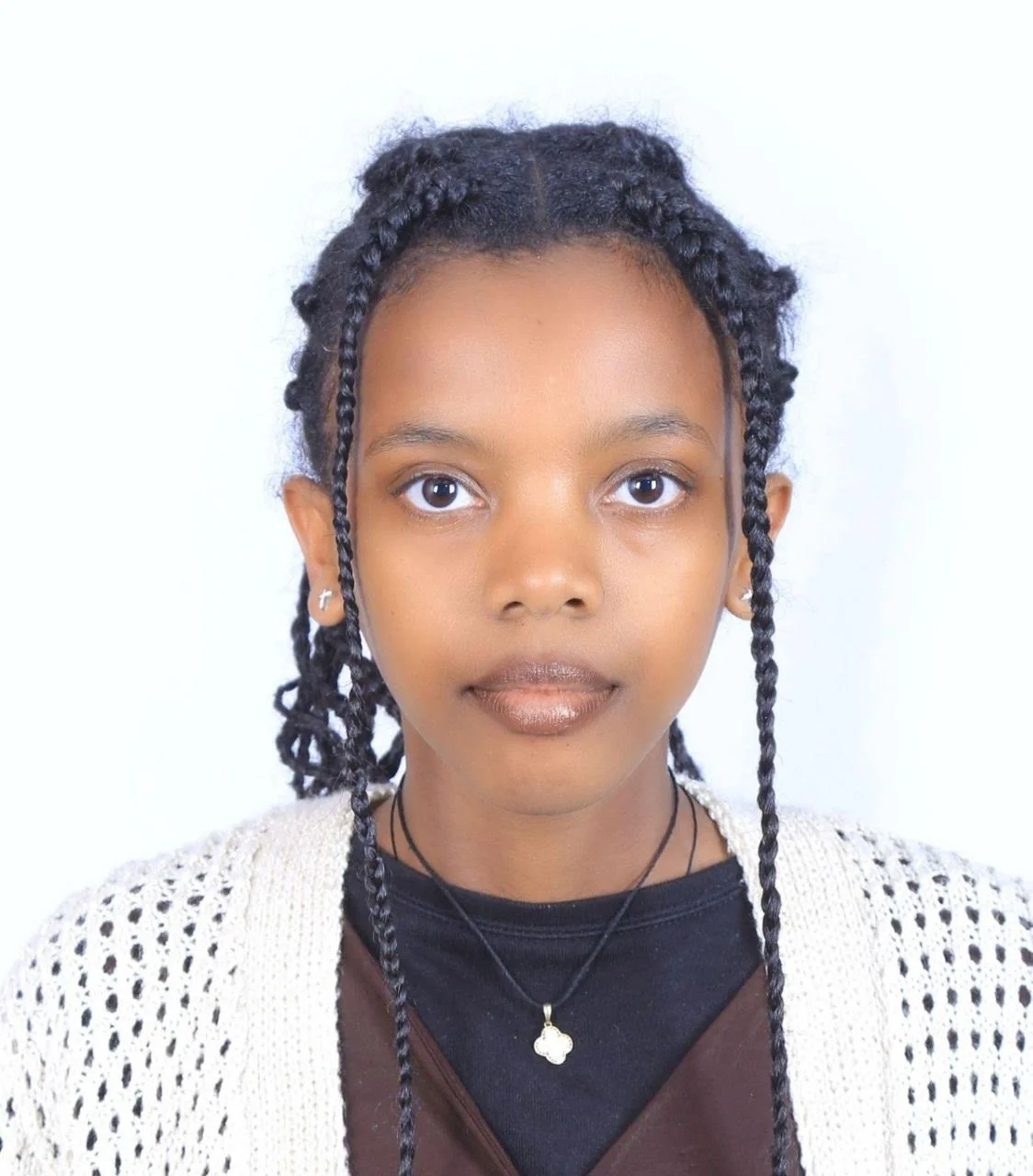
by Beamlak Alebel (Addis Ababa, Ethiopia)

A hand gracefully reaching out towards a setting sun amidst a calm, leafy background.
There must be a life catalyst in every person’s journey, something that stirs us, shapes us, and pushes us forward. For many people living with chronic illnesses like Inflammatory Bowel Disease, that catalyst is not only the condition itself but also the society around them.
Whether we recognize it or not, society plays a deep and lasting role in how IBD patients see the world and how they see themselves. From our earliest days, we learn what people consider “normal,” what is acceptable to talk about, and what should be hidden. For someone with IBD—a disease that is often invisible, stigmatized, and misunderstood—society’s voice can either be healing or deeply hurtful.
IBD teaches us that education doesn’t only begin in the classroom; it begins in the spaces between people. It starts in whether communities choose empathy over judgment when someone struggles with pain, fatigue, or multiple hospital visits. It begins with whether people understand that “You don’t look sick” is not kindness—and that invisible illnesses are real and heavy.
Every person is born as a white page—blank, pure, ready to be written with experiences, lessons, and love. But for someone with IBD, society often writes the first words: misunderstanding, stigma, or silence. That is why it matters so deeply what kind of world we create around chronic illness. A supportive, kind, and educated environment can be the difference between a patient who suffers in silence and one who lives with dignity, confidence, and hope.
Being a good person costs nothing. We lose nothing by choosing kindness toward those living with IBD. A little understanding when someone cancels plans, a bit of patience when they are too tired to continue, or simple respect for their medical journey—these things truly matter. They lighten the emotional burden that is often heavier than the disease itself.
If only society remembered that. If goodness and awareness came as naturally as breathing, people with IBD wouldn’t have to hide their pain or feel ashamed of their scars, surgeries, or symptoms. A smile, a word of encouragement, a willingness to learn, these small acts can be a lifeline for someone navigating an illness that affects every part of their life.
Let us be the catalyst. Let us be the people who make IBD visible, who break the silence, who show that being human means supporting one another beyond our comfort zones. It means listening to the stories of IBD warriors, respecting their challenges, and standing beside them in their fight.
In the end, it’s not wealth or fame that defines a society—it’s how we treat the most vulnerable. May we choose to be a society that uplifts those living with IBD, a society that listens, understands, and helps shape lives not through judgment but through compassion. Because when society chooses kindness, an IBD warrior’s blank page becomes a story of courage—and that changes everything.
Photo credit goes to: https://stockcake.com/i/sunset-in-hand_1221433_547021